
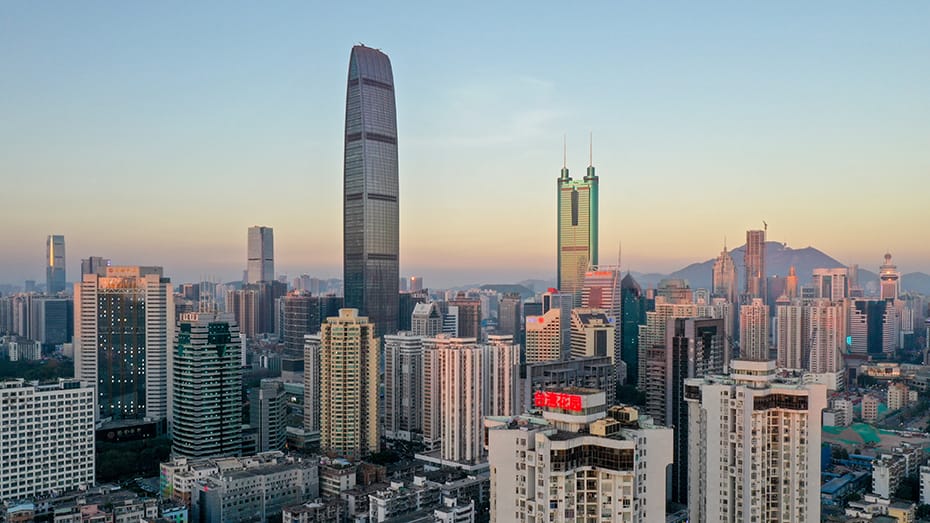
Crossing The River From Hong Kong To Shenzhen A Smart Traveler’s Guide
Crossing The River From Hong Kong To Shenzhen – A Smart Traveler’s Guide
Many travelers who visit Hong Kong never realize that one of China’s most dynamic cities lies just across a narrow river.
That city is Shenzhen.
Once a quiet border town, Shenzhen has evolved into one of the most influential economic zones in Asia. Today it welcomes millions of visitors every year. Travelers arrive not only for sightseeing but also for shopping, technology markets, art districts, and culinary experiences.
The city sits in southern Guangdong Province, directly across the border from the Kowloon and New Territories districts of Hong Kong. The geographic closeness makes the combination of Hong Kong and Shenzhen travel surprisingly efficient.
In practical terms, this means that a traveler can enjoy Hong Kong’s skyline one day and wander through Shenzhen’s sprawling shopping districts the next.
This cross-border journey has become one of the most fascinating urban travel experiences in East Asia.
Quick Summary Table – Hong Kong To Shenzhen Travel
| Travel Method | Departure Point | Arrival Point | Estimated Time |
|---|---|---|---|
| MRT (Metro) | Tsim Sha Tsui East Station | Luohu Border Crossing | 30–40 minutes |
| Ferry | Hong Kong Macau Ferry Terminal | Shekou Ferry Terminal | About 1 hour |
| Bus | Wan Chai Bus Station | Lok Ma Chau Border | Flexible 24 hours |
Each route offers a slightly different travel experience, and choosing the right one depends on how you want your trip to unfold.
Why Combine Hong Kong And Shenzhen
Travelers often treat Hong Kong as a stand-alone destination. Yet geographically and culturally, Shenzhen provides an intriguing extension.
Hong Kong delivers polished international finance, colonial history, and world-class skyline views.
Shenzhen offers a completely different energy: fast-moving markets, electronics districts, emerging art communities, and enormous shopping complexes.
In many ways the two cities represent contrasting chapters of modern China.
The distance between them?
Just one river.
Getting From Hong Kong To Shenzhen
Traveling between the two cities is remarkably simple. Visitors can choose between metro, ferry, or bus depending on their comfort and travel style.
MRT – The Fastest Route
The most popular method is the metro system.
Travelers begin at East Tsim Sha Tsui Station and take the East Rail Line heading north.
The train travels toward the Lo Wu Border Crossing, where passengers exit for immigration procedures.
After crossing the border, travelers can continue into Shenzhen’s urban metro system.
Operating hours begin around 5:28 AM and the final train departs close to 11:05 PM. The journey itself typically takes 30 to 40 minutes, making it the fastest cross-border option.
For travelers staying in Kowloon, this is the simplest and most efficient route.
Ferry – The Scenic Alternative
For those who prefer water travel, ferries connect the two cities.
Boats depart from Hong Kong Macau Ferry Terminal and arrive at Shekou Ferry Terminal.
The ferry journey takes about one hour and operates between 9:00 AM and 8:30 PM.
The advantage here is comfort. Instead of navigating metro crowds, travelers enjoy open harbor views and a calmer travel experience.
For visitors who enjoy maritime travel, this route adds an extra dimension to the journey.
Bus – The Flexible Option
Some travelers prefer a more familiar transportation style.
Buses run regularly from Wan Chai to the Lok Ma Chau Border Crossing.
After immigration, passengers transfer to local buses heading into Shenzhen’s city center.
One major advantage:
bus routes operate 24 hours, making them useful for late-night travel schedules.
Shenzhen’s Shopping Districts
In recent years, Shenzhen has become one of China’s most active shopping cities. Markets, malls, and specialized districts continue expanding to serve both locals and international visitors.
Travelers can find almost everything here — clothing, electronics, jewelry, fabrics, and household goods.
Some districts have even gained international reputations.
Luohu Commercial City – Five Floors Of Shopping
The Luohu Commercial City sits directly near the Lo Wu border crossing, making it one of the first places visitors encounter.
The building rises five floors and contains over 700 shops.
Products range widely:
-
Clothing
-
Handbags
-
Jewelry
-
Accessories
-
DVDs and media
For travelers arriving by metro, this complex is often the first introduction to Shenzhen’s retail culture.
Dongmen Market – Budget Fashion Hub
The bustling Dongmen Market is known for affordable fashion.
Clothing stores dominate the district, offering inexpensive garments and accessories.
However, due to the enormous daily crowds, visitors should remain mindful of personal belongings.
Busy markets always require a bit of situational awareness.
Huaqiangbei – Electronics Capital
Technology enthusiasts rarely miss Huaqiangbei.
This area is widely known as one of the largest electronics markets in the world.
Shops specialize in:
-
laptops
-
audio equipment
-
computer components
-
smartphone accessories
The district has become a global hub for hardware sourcing and electronics innovation.
For tech lovers, the experience is unforgettable.
Dafen Oil Painting Village – Art Industry At Scale
Travelers interested in art should visit Dafen Oil Painting Village, located in Longgang District.
This neighborhood hosts approximately 8,000 artists and more than 600 galleries and studios.
Many artists here specialize in reproductions of famous paintings by global masters.
Walking through the village reveals workshops filled with canvases, paint palettes, and rows of half-finished masterpieces.
It’s an unusual intersection of art, commerce, and craftsmanship.
Restaurants Worth Visiting In Shenzhen
Shenzhen’s dining scene is equally diverse.
West Lake Spring Restaurant
West Lake Spring Restaurant specializes in Hangzhou cuisine.
Address
3019 Sungang Lu – Floors 2 and 3 – Parkway Tower
The restaurant is particularly known for its steamed fish dishes, a classic element of Hangzhou culinary tradition.
Made In Kitchen
Made in Kitchen offers a remarkably large menu with over 400 Asian dishes.
Address
2028 Renmin Lu – 7th Floor – Kingglory Plaza
Guests can choose from sashimi, steak, pastries, and many other specialties.
The interior design is lavish, creating a memorable dining atmosphere.
Belle Epoque
Belle Epoque serves French cuisine and is often considered among the best Western restaurants in Shenzhen.
Address
Baoan Nan Lu – Shop 299 – Floor 2 – The MixC
Ju’s Fusion Restaurant
Ju’s Fusion Restaurant focuses on high-end delicacies such as abalone and shark fin.
Address
Floor 2 – 1001 Shennan Dong Lu – Shenzhen 999 Royal Suites and Towers
Opening hours
9:00 AM – 10:00 PM
Travel Requirements
When combining the two destinations, travelers should remember:
-
Entry visas are required for Hong Kong and China
-
Hong Kong uses Hong Kong Dollar (HKD)
-
Shenzhen uses Chinese Yuan (RMB)
However, some locations in Shenzhen may still accept HKD.
Things The Media Doesn’t Tell You
Many travel articles portray Shenzhen mainly as a shopping city.
The reality is more nuanced.
First, Shenzhen is enormous. The city covers multiple districts, and distances between attractions can be significant.
Second, markets can be overwhelming for first-time visitors. Negotiation culture exists in some shopping areas, especially at places like Luohu Commercial City.
Third, border crossings may require patience during busy travel seasons.
Understanding these factors helps travelers design a smoother itinerary.
Switching Roles – From Traveler To Planner
A thoughtful itinerary balances both cities.
Day 1 – Hong Kong
Morning
Explore Kowloon
Afternoon
Victoria Harbour walk
Evening
Hong Kong skyline and night markets
Day 2 – Shenzhen
Morning
Cross border via East Rail Line
Afternoon
Explore Luohu Commercial City and Dongmen Market
Evening
Dinner in Shenzhen city center
Day 3 – Shenzhen Culture
Morning
Huaqiangbei electronics district
Afternoon
Dafen Oil Painting Village
Evening
Return to Hong Kong
This plan prevents the trip from becoming a rushed shopping excursion.
Community Insight
Travel vloggers often describe Shenzhen with curiosity rather than expectation.
One traveler commented after visiting Huaqiangbei:
"It feels like the engine room of global electronics."
Another visitor wrote about Dafen Oil Painting Village:
"Watching hundreds of artists painting side by side is strangely mesmerizing."
These perspectives highlight a truth often overlooked: Shenzhen isn’t simply a shopping destination.
It’s a laboratory of modern Chinese urban life.
Final Perspective
Travel between Hong Kong and Shenzhen reveals a powerful contrast.
One city represents global finance and colonial legacy.
The other represents rapid technological growth and commercial ambition.
Together they form one of Asia’s most fascinating travel pairings.
And crossing the river between them takes less than an hour.
Inside Shenzhen’s Electronics Streets Markets And Art Villages Near Hong Kong.
Hong Kong Shenzhen travel, Hong Kong to Shenzhen, Shenzhen shopping markets, Luohu Commercial City, Huaqiangbei electronics market, Shenzhen travel guide, Shenzhen food restaurants, Shenzhen art village, Hong Kong border crossing, Shenzhen shopping district, Shenzhen electronics market, Shenzhen China tourism, Shenzhen day trip, Hong Kong travel extension, Shenzhen market guide
