
Hoi An in 48 Hours – A Practical Planner’s Guide to Vietnam’s Lantern Town
Standing beside the slow-moving Thu Bon River, the historic town of Hoi An feels less like a city and more like a carefully preserved stage where centuries quietly overlap.
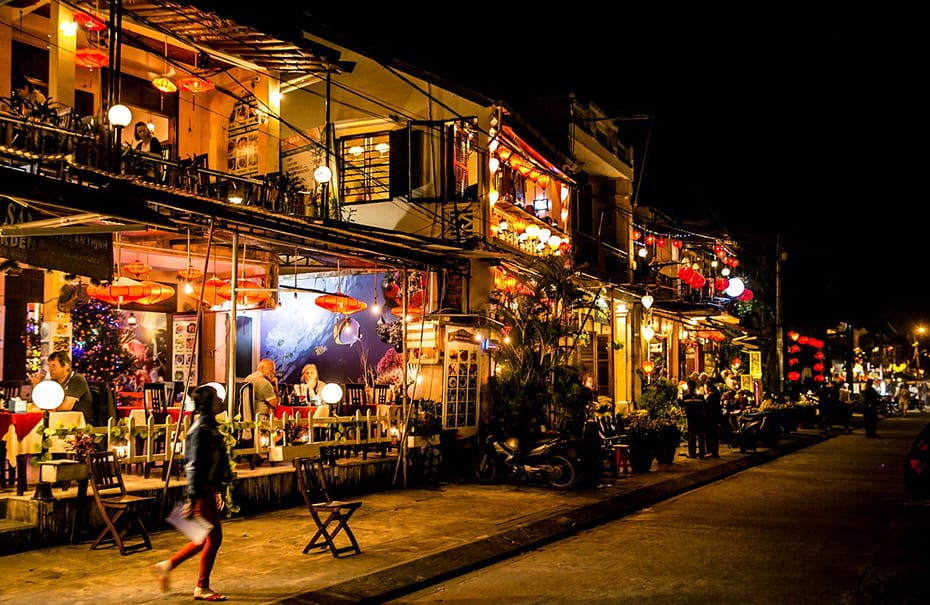
The streets are narrow. Motor traffic is minimal. Yellow-painted houses line the roads in orderly rows, their wooden shutters opening onto quiet cafés, tailor shops, and lantern stores. Walk ten minutes through the old town and you begin to understand why travelers linger here longer than they planned.
Recognized by UNESCO as a World Cultural Heritage site, Hoi An is not simply a picturesque destination. It was once a thriving trading port connecting merchants from Japan, China, and Europe.
Today, it offers something rare in modern travel: a town where walking is still the best way to explore.
But if you only have 48 hours, planning matters.
This guide approaches Hoi An not just from the perspective of a visitor, but from the mindset of a trip planner—helping you structure a short stay while still experiencing the character of the town.
Quick Travel Overview
| Category | Key Information |
|---|---|
| Location | Hoi An, Quang Nam Province, Central Vietnam |
| UNESCO Status | World Cultural Heritage Old Town |
| Closest Airport | Da Nang International Airport |
| Distance from Airport | ~30 km |
| Best Way to Explore | Walking or bicycle |
| Signature Dish | Cao Lau noodles |
| Famous Landmark | Japanese Covered Bridge |
| Known For | Tailor shops, lantern streets, preserved architecture |
Why Hoi An Feels Different From Other Vietnamese Cities
Most Vietnamese cities move fast. Motorbikes dominate the roads, and the rhythm is energetic.
Hoi An is different.
The Old Town restricts traffic during certain hours, allowing visitors to wander through quiet streets that still look remarkably similar to the trading port of the 17th century.
Many buildings here are over 100–200 years old, painted in shades of mustard yellow, with dark wooden beams and tiled roofs designed to survive tropical weather.
Unlike modern tourist developments, the architecture feels lived-in rather than reconstructed.
You are not walking through a museum.
You are walking through a town that never quite left the past behind.
Day 1 – Walking the Historic Old Town
Start your visit with the simplest activity: walking without a strict route.
Hoi An Old Town is compact. The best discoveries happen when you wander slowly through streets like:
-
Tran Phu Street
-
Nguyen Thai Hoc Street
-
Nguyen Thi Minh Khai Street
These streets form the historic core, where art galleries, craft shops, and tailors occupy traditional merchant houses.
You will notice something immediately: the color yellow.
Many historic buildings are painted in warm yellow tones. This tradition dates back to the colonial era when yellow pigment was considered elegant and helped reflect tropical sunlight.
Today it creates one of the most recognizable visual identities in Southeast Asia.
Inside these houses you will often find:
-
small art galleries
-
handmade lantern workshops
-
traditional craft stores
-
family-run cafés
Even without entering every shop, the architecture alone makes the walk worthwhile.
Visit the Japanese Covered Bridge
The most famous landmark in town is the Japanese Covered Bridge, known locally as Chua Cau or Lai Vien Kieu.
Built in the 1600s by Japanese merchants, the bridge once connected the Japanese trading quarter with the Chinese side of town.
The structure is about 18 meters long, with a curved roof covered in traditional yin-yang tiles.
At each end of the bridge stand animal statues believed to protect the structure.
The most unusual feature?
There is a small temple built inside the bridge, dedicated to Bac De Tran Vo, a guardian deity believed to protect people from disasters.
It is the only known bridge in the world that contains a temple inside the structure.
Visit during the day to observe the architectural details. Return at night when lanterns reflect across the nearby canal.
The atmosphere changes completely.
Evening in Hoi An – Lantern Light and River Walks
After sunset, Hoi An slows down in the best possible way.
Lanterns illuminate the old buildings. Vendors appear along the riverbank selling snacks and souvenirs. The sound of conversations replaces daytime traffic.
Many visitors simply walk along the Thu Bon River.
Others sit in cafés overlooking the water.
This is when the town feels most atmospheric—not because it tries to impress, but because nothing feels rushed.
Day 2 – Markets, Tailor Shops, and Local Food
Hoi An is known throughout Vietnam for its tailor industry.
Many shops offer custom-made clothing within a single day.
Visitors bring designs from magazines or catalogs and local tailors recreate them quickly.
Leather goods are also common.
You will see shops producing:
-
leather backpacks
-
handbags
-
belts
-
travel bags
If you place an order in the morning, fittings often happen the same afternoon.
Even if you are not planning to buy anything, stepping into a tailor shop offers insight into a craft that has shaped Hoi An’s economy for decades.
Shopping in the Markets
The local markets are another essential stop.
Typical items include:
-
handmade lanterns
-
embroidery
-
carved wood souvenirs
-
traditional clothing
Lanterns are perhaps the most recognizable symbol of Hoi An today.
Hundreds of shops sell them in every shape and color.
Bargaining is common, especially in market areas.
Just remember to negotiate politely.
Street Food and Local Specialties
Hoi An has one of the most distinctive regional cuisines in Vietnam.
Street food carts appear throughout the Old Town selling small dishes and snacks.
But one dish stands above the rest:
Cao Lau
This noodle dish uses local ingredients and thick noodles that resemble Japanese udon but with a firmer texture.
Typical toppings include:
-
sliced pork
-
fresh herbs
-
crispy croutons
-
light broth
It is widely considered the signature dish of Hoi An.
Many travelers say their first bowl becomes one of their strongest food memories in Vietnam.
Dinner at Morning Glory Restaurant
For a more relaxed dinner setting, many travelers head to Morning Glory Restaurant.
The restaurant sits inside an old building and combines traditional architecture with a casual dining atmosphere.
The menu is extensive, divided into three main sections:
-
Vietnamese street food
-
family-style dishes
-
banquet-style specialties
Popular items include:
-
banh cuon (steamed rice rolls)
-
goi cuon (fresh spring rolls)
-
bo kho (Vietnamese beef stew)
-
pork ribs with beans
Because the restaurant is popular with both locals and tourists, reservations are often recommended.
How to Reach Hoi An
Hoi An does not have its own airport.
Most travelers arrive through Da Nang International Airport, located about 30 kilometers away.
From the airport, common transportation options include:
-
taxi
-
shuttle service
-
public bus
The journey usually takes around 45 minutes depending on traffic.
For early arrivals, buses begin operating around 5–6 AM and depart regularly.
Getting Around the Town
Hoi An is small enough that walking remains the best way to explore.
Most visitors rarely need transportation once inside the Old Town.
However, alternatives include:
-
bicycles
-
motorbike rentals
-
cyclo rides
-
taxis
Cyclo drivers often wait near the main streets. If you plan to use one, agree on the price before starting the ride.
Things the Media Doesn’t Tell You
Travel photos usually show empty streets and perfect lantern displays.
Reality is slightly more complex.
Hoi An is extremely popular with visitors, especially in the evening. Certain streets near the river can become crowded.
Tailor shops vary in quality. While many produce excellent work, some rush orders too quickly. If clothing matters to you, schedule a fitting early in your stay.
Weather also plays a role.
Central Vietnam experiences heavy rain during certain months, and flooding occasionally affects the Old Town.
None of these issues diminish the appeal of Hoi An. But understanding them helps you plan better expectations.
Voices From Travelers
Many travelers describe Hoi An not as a checklist destination but as a place that rewards slow exploration.
One traveler in a travel community group described the experience this way:
“Hoi An is small enough that you stop trying to see everything. You just start enjoying where you are.”
Another visitor commented:
“The best moment was sitting by the river after sunset with a bowl of noodles and watching lanterns reflect on the water.”
These simple moments often become the most memorable.
Final Planning Thoughts
Hoi An works best when approached slowly.
Two days is enough to explore the Old Town, eat local specialties, visit the historic bridge, and browse markets and tailor shops.
But the real appeal lies in its atmosphere.
Walk early in the morning before the crowds arrive.
Return again after sunset when the lanterns glow.
Between those two moments, you will understand why travelers from around the world keep adding Hoi An to their Vietnam itineraries.
And why many end up staying longer than planned.
Hoi An Travel Plan – What to See, Eat, and Buy in Two Days.
Hoi an travel guide, hoi an 48 hours, hoi an old town, japanese covered bridge hoi an, things to do hoi an, hoi an itinerary, hoi an lantern street, cao lau hoi an, morning glory hoi an, da nang to hoi an, hoi an street food, hoi an tailor shops, hoi an market shopping, hoi an walking guide, hoi an vietnam travel
