
There is a particular kind of fatigue that arrives just before a national holiday. It is the weariness of imagining traffic jams, overbooked hotels, beaches thick with umbrellas and noise. Vietnam, however, remains gloriously larger than its headlines. Beyond the familiar names lie places that still feel fresh, places where the land has not yet learned to perform for the camera. These are destinations for travelers who want space, texture, and stories worth carrying home.
This journey moves away from the obvious. It does not shout. It beckons.
Ly Son Island, Quang Ngai
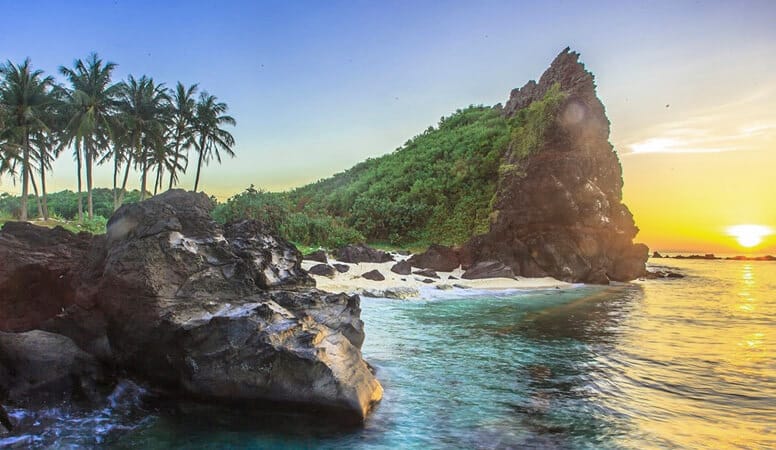
Ly Son rises from the sea like a geological confession. Volcanic cliffs, scarred and sculpted by time, meet water so clear it seems lit from below. The island is actually a small constellation: Ly Son Big Island, Ly Son Small Island, and Mu Cu Islet, each with its own temperament. Ancient lava fields form ribbed shorelines. Temples cling to rock faces. Hang Pagoda sits half inside the mountain, solemn and cool, while the extinct volcanic crater opens like an eye toward the sky.
Life here is unhurried. Fishermen mend nets at dawn. Garlic fields shimmer silver green in the wind. Meals arrive simple and unforgettable, especially the island’s famed garlic leaf salad, sharp, sweet, and quietly addictive. Accommodation remains modest but sincere, homestays and small hotels offering sea views and the rare luxury of silence.
Phu Yen
Phu Yen does not announce itself. It waits. The province stretches along the south central coast, a succession of capes, lagoons, and beaches that feel improbably empty. Dai Lanh Cape catches the first sunrise on the mainland. Vung Ro Bay holds water like glass. Xuan Dai Bay curves gently, a place for afternoon contemplation.
Ganh Da Dia, with its basalt columns stacked like the work of a meticulous giant, reminds you that nature can be both precise and wild. Tuy Hoa Airport makes arrival easy, yet tourism here remains refreshingly restrained. Hotels are affordable, seafood is abundant, and the local cuisine carries a depth that surprises even seasoned travelers. Phu Yen is for those who prefer discovery over display.
Quy Nhon, Binh Dinh
Quy Nhon feels like a secret that forgot to stay hidden. Beaches spill out in every direction, each with its own mood. Bai Xep is intimate and calm. Nhon Ly opens toward open sea. Hai Giang and Trung Luong sit where mountains lean toward water, creating landscapes that feel almost theatrical.
This region offers more than beaches. Cham towers rise unexpectedly from hillsides. Fishing villages remain functional rather than decorative. Resorts are appearing, yes, but they are spaced generously, designed to coexist rather than conquer. Quy Nhon is generous with sunshine, seafood, and warmth, human and climatic.
Ninh Chu Beach, Ninh Thuan
Ninh Chu feels like the sensible choice you did not know you were craving. Close enough to reach without ordeal, distant enough to feel removed. The beach arcs gracefully along Binh Son Village, its sand pale and clean, its water calm and inviting.
Paired with the wider Binh Son Ninh Chu tourism area, this coastline offers a balance of comfort and authenticity. Hotels face the sea without blocking it. The breeze carries salt and the faint scent of sun warmed sand. Compared to Phan Thiet, Ninh Chu feels fresher. Compared to Nha Trang, it feels calmer. Sometimes that is everything.
Hai Tac Islands, Kien Giang
The name alone, Pirate Islands, carries a promise. Located off the coast of Kien Giang, Hai Tac remains largely forested, its shoreline edged with rocks and quiet coves. Reaching the islands takes just over an hour by boat, enough time to shed expectations.
There is no script here. Swim freely. Listen to fishermen recount stories of hidden treasure and storms past. Dive into water so clear you can watch your own hands move through light. Catch sea snails, grill fish over driftwood, eat with salt and laughter. Accommodation is basic, but the experience feels extravagant.
Dray Nur and Dray Sap Waterfalls, Central Highlands
From Buon Ma Thuot, the road unfurls through coffee plantations toward the Serepok River. Then the sound arrives first, deep and insistent. Dray Nur and Dray Sap stand close, separated by a suspension bridge and united by power. Water plunges, mist rises, the air cools instantly.
Below, the river calms. Shallow pools invite swimming. Fish move visibly through clear water. This is a place for picnics, for shared meals cooked over open flame, for the simple pleasure of being near something larger than yourself. Hotels in Buon Ma Thuot provide comfortable bases, but the real luxury is proximity to raw nature.
Bien Ho Lake, Gia Lai
Bien Ho, also known as To Nung Lake, was once a volcano. Now it is water, vast and serene. Pine trees line the road descending toward the lake, framing views that feel almost staged in their perfection. At the end of the path, a small pavilion overlooks the water, a place to pause.
The lake’s surface reflects sky and thought equally well. Nearby tea plantations ripple green across the hills. Pleiku City hums quietly in the distance. Bien Ho is contemplative without being solemn, a destination that encourages slowing down without insisting upon it.
Co Thach Beach and Stone Field, Phan Thiet
Co Thach offers a different vocabulary of beauty. Along the beach in Tuy Phong District lies a field of stones, smooth, rounded, and astonishingly colorful. Reds, yellows, blues, and grays mingle in patterns that change with light and tide. Recognized for its diversity, the stone beach feels almost curated, though entirely natural.
The sea nearby is clean and open. Combine a visit here with Ghenh Son, just a few kilometers away, to experience a coastline that resists simplification. Hotels in Phan Thiet provide access, but Co Thach itself remains refreshingly unconcerned with crowds.
Binh Ba Island, Khanh Hoa
South of Nha Trang, Cam Ranh Bay unfurls in deep blue silk. Binh Ba Island sits within it, still more familiar to independent travelers than tour groups. Reached by boat from Ba Ngoi Port, the island greets visitors with granite formations sculpted by wind and sea.
Beaches here feel untouched. Sand stretches wide, pale gold underfoot. Water remains warm and inviting. Seafood is exceptional, especially lobster, served simply and without ceremony. Accommodation is improving steadily, but the island retains its essential character: honest, open, quietly beautiful.
Da Nhay Beach, Quang Binh
At the foot of Ly Hoa Pass, Da Nhay Beach lies close to Phong Nha Ke Bang National Park, making it an ideal coastal counterpart to cave exploration. The name, Jumping Rocks Beach, comes from the dramatic rock formations that rise and fall along the shore.
The beach itself is flat and swimmable, the water clear. Activities range from boating and climbing to forest walks and shell diving. Fresh seafood arrives daily. Hotels nearby offer practical comfort, but the appeal lies in variety. Sea, stone, forest, all within reach.
Vietnam rewards those willing to look sideways rather than straight ahead. These destinations are not unfinished versions of famous places. They are complete in themselves, waiting patiently for travelers who value nuance over noise.
Vietnam hidden travel destinations, April holiday Vietnam travel, Vietnam off the beaten path, Ly Son Island travel, Phu Yen beach tour, Quy Nhon coastal travel, Ninh Chu beach holiday, Hai Tac Islands Vietnam, Central Highlands waterfall travel, Bien Ho Lake Gia Lai, Co Thach stone beach, Binh Ba Island travel, Da Nhay Beach Quang Binh, Vietnam summer travel ideas, undiscovered Vietnam tours
