
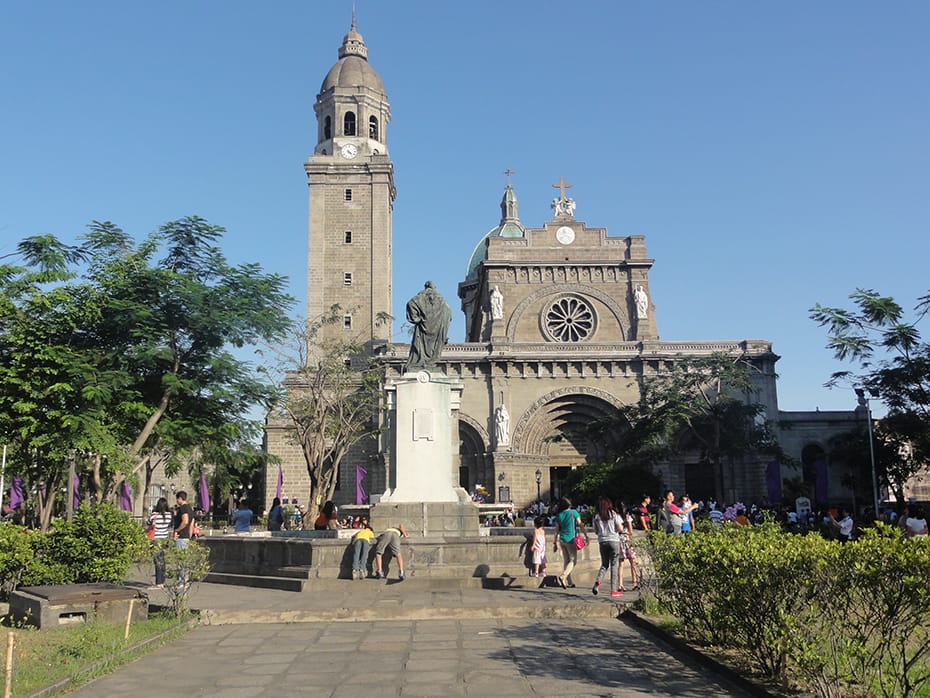
Six Essential Stops That Define Manila’s Culture History And Street Life
Six Essential Stops That Define Manila’s Culture History And Street Life
Manila rarely appears on Southeast Asia bucket lists with the same enthusiasm as Bangkok, Singapore, or Bali. Yet travelers who actually spend time in the Philippine capital often discover something far more complex than expected.
This is a city layered with colonial history, modern creativity, waterfront sunsets, cultural districts, and vibrant markets. Spanish walls stand beside modern art galleries. Historic churches face luxury shopping centers. Bustling Chinatown streets exist only minutes away from quiet museums.
Manila isn’t a place you simply “visit.”
It’s a city you decode.
For travelers building a Southeast Asia itinerary, the Philippine capital has gradually become a strategic stop — not only for its cultural depth but also for its location and accessibility. Understanding where to go makes all the difference.
Below are six destinations that help explain the personality of Manila.
Quick Summary Table – Key Places To Visit In Manila
| Destination | Category | What Makes It Interesting | Ideal Time |
|---|---|---|---|
| Intramuros | Historic District | Spanish colonial fortress city | Early morning |
| Manila Contemporary Art Galleries | Art & Culture | Modern Filipino art exhibitions | Afternoon |
| Greenbelt Manila | Shopping & Architecture | Luxury shopping with park setting | Late afternoon |
| Manila Bay | Waterfront | Famous sunset views | Evening |
| Chinatown Manila | Culture & Food | Markets and Chinese cuisine | Daytime |
| Marikina Shoe Museum | Fashion History | Unique footwear collection | Morning |
1 Intramuros – Manila’s Spanish Walled City
Few places in Southeast Asia carry the architectural legacy that Intramuros does.
Built in 1571 during Spanish colonial rule, the stone fortress covers roughly 64 hectares and once served as the administrative and religious center of Spanish Manila. The thick defensive walls still stand today, surviving wars, earthquakes, and centuries of tropical weather.
Walking through Intramuros feels different from anywhere else in the Philippines. Cobblestone streets. Colonial-era churches. Massive stone gates. European architecture transplanted into Southeast Asia.
Morning is the most practical time to explore. Before 10 AM, the tropical heat remains manageable and the streets are quieter.
As a travel consultant, the best strategy is to enter through one of the historic gates and wander slowly. Some highlights inside the district include colonial buildings, plazas, and historical landmarks that reflect Spanish urban planning in Asia.
Intramuros works best as the starting point of a Manila itinerary because it explains the city's historical foundations.
2 Manila Contemporary Art Galleries – Where Modern Filipino Creativity Lives
While Manila’s colonial architecture attracts historians, its art scene attracts curious travelers.
The Manila Contemporary Art Gallery regularly showcases experimental work by young Filipino artists alongside international exhibitions. Paintings, photography, installations, and conceptual pieces rotate frequently.
One detail surprises many visitors:
Entrance is typically free.
This openness encourages students, locals, and travelers to interact with contemporary art without barriers.
The gallery reflects the creative energy of a younger generation of Filipino artists who explore themes such as urban identity, cultural memory, and social transformation.
For travelers accustomed to major Western museums, the experience here feels intimate. Smaller spaces. Emerging artists. Direct conversations about contemporary Philippine culture.
It offers a valuable contrast to Manila’s historic districts.
3 Greenbelt Manila – Shopping Meets Architecture
Luxury retail rarely feels relaxing. Yet the Greenbelt Manila district manages to combine shopping with urban design.
At the center of this area sits Greenbelt Park, a landscaped green space surrounded by high-end retail stores and restaurants.
One architectural highlight is the Greenbelt Chapel, a circular glass chapel set beside the park. The structure blends modern architecture with religious symbolism, creating a peaceful pause within a busy commercial district.
Around the park, travelers will find international fashion brands including Gucci, Prada, Diesel, and Aldo.
Even visitors uninterested in shopping often appreciate the district for its urban layout — shaded walkways, gardens, and open-air spaces that soften the typical mall experience.
4 Manila Bay – The City’s Most Famous Sunset
Few views define the city more clearly than Manila Bay.
The bay’s long waterfront promenade attracts both locals and visitors every evening. As the sun lowers, the sky slowly shifts from bright blue to deep orange and gold.
Manila Bay sunsets have become iconic because of the wide open horizon across the water. Unlike cities with dense coastal skylines, the bay allows the sunset to dominate the view.
Walking along Roxas Boulevard during sunset reveals one of the most relaxed sides of the city.
Families gather. Street musicians perform. Couples sit quietly facing the water.
It is simple, unpolished, and authentic.
5 Chinatown Manila – One Of The Oldest Chinese Districts In Asia
Like many Asian capitals, Manila hosts a vibrant Chinatown district.
The area centers around Binondo, known for its dense network of shops, food stalls, and markets.
Travelers often come here to:
-
Shop for affordable goods
-
Taste traditional Chinese dishes
-
Experience cultural festivals
Binondo has long served as a commercial hub for the Chinese Filipino community. Markets sell everything from herbal medicines to decorative items used during Chinese festivals.
The district also becomes especially lively during Chinese New Year celebrations.
For travelers interested in culinary exploration, Chinatown Manila is often considered one of the best food districts in the city.
6 Marikina Shoe Museum – Fashion With A Political Story
Fashion history rarely appears on typical travel itineraries, but the Marikina Shoe Museum offers a surprisingly memorable experience.
The museum sits in Marikina, an area known for its shoemaking industry.
Inside the museum, visitors can explore a large collection of shoes, including those associated with prominent Filipino figures.
For fashion enthusiasts, the museum offers a unique look at footwear design and craftsmanship.
For historians, it also reflects the role of fashion in Philippine political and cultural history.
Where To Stay – A Strategic Base In Manila
For travelers seeking convenient access to the city’s main attractions, Armada Hotel Manila sits in a particularly strategic location.
The hotel lies close to several important landmarks:
-
Malate Church
-
Rizal Park
-
Roxas Boulevard
The property is also located roughly 8 kilometers from Ninoy Aquino International Airport, making airport transfers relatively straightforward.
As a four-star hotel, it offers modern amenities suitable for both leisure travelers and business visitors.
Things The Media Doesn’t Tell You
Travel articles often highlight Manila’s historical landmarks and sunsets, but practical planning requires a broader perspective.
Here are several realities worth knowing:
Traffic can be unpredictable.
Distances that appear short on a map may take longer during peak hours.
Weather shapes your schedule.
Exploring historic districts like Intramuros is much easier early in the morning before heat and humidity rise.
Cultural districts remain active communities.
Places like Chinatown Manila are not staged tourist zones—they function as everyday business centers.
Waterfront visits are best planned around sunset.
During the middle of the day the heat can make the bayfront less comfortable.
These small insights help travelers design a more realistic itinerary.
Switching Roles – Thinking Like A Travel Planner
Instead of rushing between attractions, a smarter plan groups locations by geography.
Suggested itinerary structure:
Day 1 – Historic Manila
Morning
Intramuros exploration
Afternoon
Visit art galleries
Evening
Manila Bay sunset
Day 2 – Culture And Shopping
Morning
Chinatown Manila
Afternoon
Greenbelt district
Evening
Dinner near Makati
Day 3 – Niche Experiences
Morning
Marikina Shoe Museum
Afternoon
Return to central Manila for relaxed exploration
This slower pacing allows travelers to understand the city's different layers.
Community Insight
Travel forums and vlog creators often describe Manila in similar ways.
One traveler wrote after visiting Intramuros:
"It feels like stepping into another century inside the walls."
Another visitor watching sunset at Manila Bay shared:
"It’s one of those moments where the entire city stops moving for a few minutes."
These reactions highlight Manila’s greatest strength — it surprises people who give it time.
Final Perspective
Manila is not the most polished capital in Southeast Asia. It can feel chaotic, dense, and unpredictable.
Yet that unpredictability is exactly what makes the city memorable.
Spanish fortresses. Contemporary art spaces. Cultural districts. Waterfront sunsets. Fashion museums.
Each location reveals a different chapter of Manila’s identity.
And for travelers willing to explore beyond first impressions, the Philippine capital becomes far more than a stopover.
It becomes a story.
The Unexpected Story Inside Marikina Shoe Museum Manila’s Fashion Landmark.
Manila travel guide, Intramuros Manila, Manila Bay sunset, Chinatown Manila food, Greenbelt Manila shopping, Marikina Shoe Museum, Manila cultural districts, Manila walking itinerary, Makati shopping guide, Manila art galleries, Manila historic sites, Manila waterfront views, Manila city travel, Manila Philippines tourism, Southeast Asia city travel
