
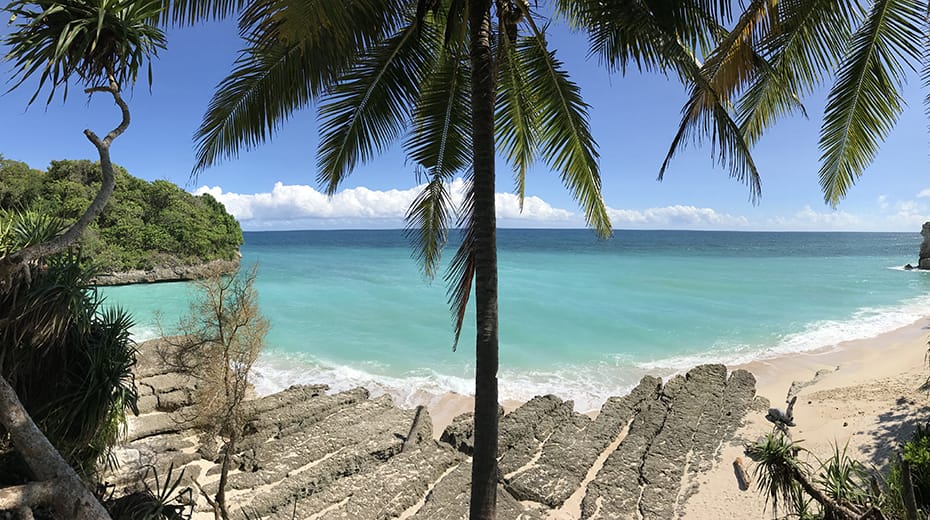
Planning an Island Escape to Sumba Indonesia – What Smart Travelers Should Know
Quick Summary – Sumba Island Travel Overview
| Category | Details |
|---|---|
| Destination | Sumba Island |
| Country | Indonesia |
| Location | Eastern Indonesia |
| Flight Distance | About 55 minutes from Bali |
| Landscape | Limestone hills, grasslands, coastal reefs |
| Local Economy | Fishing villages and rural communities |
| Popular Activities | Swimming, surfing, scuba diving, fishing |
| Cultural Context | Traditional island culture with limited modernization |
| Tourism Level | Developing, still relatively quiet |
| Best Appeal | Natural landscapes and authentic local life |
Introduction – Looking Beyond Bali
For decades, Bali has dominated international travel conversations about Indonesia. It is easy to reach, easy to photograph, and well integrated into global tourism networks.
But just under an hour away by air lies another island that tells a different story.
Sumba Island sits quietly in the eastern part of the Indonesian archipelago. It lacks the polished tourism infrastructure of Bali, yet this difference is precisely why many travelers begin to look toward it.
From a travel planner’s perspective, Sumba represents a contrasting model of island tourism. It offers dramatic coastal scenery, fishing communities, and open landscapes shaped more by nature than by development.
The island’s character is not defined by luxury resorts or nightlife districts. Instead, it revolves around grassland plains, limestone hills, coral reefs, and communities whose daily rhythms still follow the ocean and the seasons.
For travelers seeking something less scripted, Sumba becomes an interesting strategic choice.
Geographic Identity – A Different Landscape From Other Indonesian Islands
Indonesia contains thousands of islands, many of which share similar tropical imagery: dense jungles, volcanic peaks, and palm-lined beaches.
Sumba stands apart.
Instead of heavy rainforest coverage, the island’s landscape features rolling grasslands and low limestone hills. During certain seasons the terrain can appear almost savannah-like, a rare visual contrast compared with the volcanic landscapes of other Indonesian destinations.
This geographical identity shapes how visitors experience the island.
Long stretches of open countryside lead to rugged coastlines. Fishing villages sit close to coral reefs. Inland hills gradually slope toward the sea.
Because the island has remained less developed than places like Bali, many parts of the landscape still appear relatively unchanged by tourism infrastructure.
For planners designing itineraries, this means that scenery rather than urban attractions becomes the main draw.
Accessibility – Remote Yet Reachable
Despite its reputation for isolation, Sumba is surprisingly accessible.
Flights from Bali reach the island in roughly 55 minutes, placing it well within range for travelers exploring multiple Indonesian destinations.
Indonesia’s geography as an archipelago also makes inter-island travel common and practical. Flights, ferries, and small regional connections allow travelers to combine several islands within a single itinerary.
From a planning standpoint, Sumba often works best as a secondary destination after Bali.
Travelers spend a few days enjoying Bali’s cultural landmarks and then continue eastward to experience a quieter island environment.
This contrast—between a highly developed tourism hub and a relatively rural island—creates a balanced travel experience.
Coastal Life – Fishing Villages and Ocean Activities
Sumba’s coastline is dotted with small fishing communities where daily life revolves around the sea.
Visitors staying in these villages often have the option of renting simple guest rooms hosted by local families. This arrangement offers a closer look at everyday life compared with large resort complexes.
The ocean is central to the island’s appeal.
Common activities include:
Swimming along calm stretches of beach
Surfing on waves favored by experienced surfers
Scuba diving around coral reefs
Fishing with local boats
The underwater environment also contributes to the island’s character. During low tide, coral formations sometimes emerge above the surface, revealing intricate reef patterns that are normally hidden below the waterline.
Moments like this remind visitors that Sumba’s tourism experience is built around natural conditions rather than curated attractions.
Unexpected Scenes – When Nature Meets Everyday Life
Some of the island’s most memorable moments are also the most unexpected.
It is not unusual to see livestock wandering toward the shore. Travelers occasionally report watching a water buffalo wander into the ocean, cooling off in the surf before returning inland.
Scenes like these feel unusual for visitors but are completely ordinary for residents.
They highlight the reality that Sumba remains primarily a working landscape, not just a tourist destination.
Fishing, agriculture, and small-scale community life continue to shape the island’s identity.
Culture – Traditions That Persist
One of the most striking aspects of Sumba is how strongly traditional culture remains present.
Modern infrastructure exists but has arrived slowly compared with other tourist regions.
Many communities maintain customs, ceremonies, and social structures that predate mass tourism.
Local residents are often described as warm, welcoming, and curious about visitors, particularly because international tourism is still relatively limited.
For travel planners, this means cultural sensitivity becomes essential. Visitors should approach villages with respect, curiosity, and patience.
Experiences here feel more genuine when travelers observe rather than attempt to stage interactions.
Economic Reality – A Developing Island
A global travel publication once described Sumba as one of the poorer islands in Indonesia.
This reality shapes the visitor experience in subtle ways.
Infrastructure—roads, services, and accommodations—has historically been limited compared with more famous destinations.
However, the Indonesian government has begun investing in improvements across the island.
Transportation networks are gradually expanding. Tourism facilities are slowly increasing. At the same time, authorities are attempting to balance development with environmental preservation.
For planners and travelers alike, the key is understanding that Sumba is in transition.
It is neither completely untouched nor fully commercialized.
Things the Media Doesn’t Tell You
Travel photography often portrays Sumba as an untouched island paradise.
The reality is more complex.
1. Infrastructure can vary
Road conditions and services differ across the island. Some areas are modernizing quickly while others remain rural.
Travelers who expect Bali-level infrastructure may need to adjust their expectations.
2. Tourism is still developing
Unlike major resort islands, Sumba does not yet offer large clusters of entertainment or nightlife.
For some visitors, this is exactly the appeal. For others, it may feel too quiet.
3. Economic inequality exists
Because Sumba has historically been one of Indonesia’s less developed regions, tourism also plays a role in supporting local communities.
Responsible travel—choosing locally owned accommodation or services—can have a meaningful impact.
Community Perspective
Online travel forums and vlog discussions often highlight a common sentiment about Sumba.
“If Bali feels like a finished travel product, Sumba feels like a place still writing its story.”
Travelers often describe the island as a destination where the experience depends less on structured attractions and more on time spent exploring landscapes and observing daily life.
This perspective aligns well with a slower travel style.
Planning an Island-Hopping Journey
Because Indonesia consists of thousands of islands, Sumba fits naturally into broader travel itineraries.
A strategic approach might look like this:
Begin with cultural exploration in Bali
Fly east to Sumba Island for coastal landscapes and village life
Continue onward to other Indonesian islands depending on travel time
This structure allows travelers to experience both the well-known and the lesser-known sides of Indonesia.
Final Perspective – Why Sumba Stands Out
Sumba does not compete with Bali.
It offers something different.
Where Bali delivers temples, nightlife, and a polished tourism system, Sumba provides space, quiet coastlines, and communities that still live close to the rhythms of the sea.
The island’s grasslands, limestone hills, coral reefs, and fishing villages combine to create a travel experience that feels less manufactured.
For planners designing a journey through Indonesia, Sumba represents a reminder that the country’s most interesting destinations are sometimes one short flight away from the obvious ones.
And that alone may be reason enough to add it to the map.
Planning an Island Escape to Sumba Indonesia – What Smart Travelers Should Know.
Sumba Island travel, Sumba Indonesia guide, Bali to Sumba, Indonesia remote islands, Sumba beaches, Sumba fishing villages, Sumba coral reefs, Indonesia island hopping, Sumba surfing spots, eastern Indonesia travel, Sumba cultural life, Sumba limestone hills, Indonesia rural islands, Sumba ocean activities, visit Sumba Island
