
The World’s Most Facebook Check-In Locations – Why Airports Dominate the List
The World’s Most Facebook Check-In Locations
Why Airports Dominate the List
Modern travel comes with a digital ritual.
Before the suitcase reaches the hotel room or the first meal arrives at a restaurant table, many travelers perform a small but symbolic action: they check in.
A tap on a phone screen announces to friends and family: “I’m here.”
On Facebook, the check-in function has evolved into an informal travel diary. It records airport departures, city arrivals, late-night street food discoveries, and the occasional moment of exhaustion during a delayed flight.
But when global travel data was examined, something surprising emerged. According to research published by Skift, the world’s most frequently checked-in locations are not beaches, temples, or famous landmarks.
They are airports.
This observation reveals something important about modern tourism. Travel is no longer only about destinations — it is also about transit spaces, the places where journeys begin, pause, and sometimes stretch into long hours of waiting.
For a traveler, a check-in is a simple post.
For a planner, it is a signal about how people move across the world.
Summary Table – Global Facebook Check-In Locations
| Category | Examples of High Check-In Locations |
|---|---|
| Airports | Los Angeles International Airport, Suvarnabhumi Airport, Hong Kong International Airport |
| Theme Parks | Disneyland California, Walt Disney World |
| Urban Landmarks | Times Square New York |
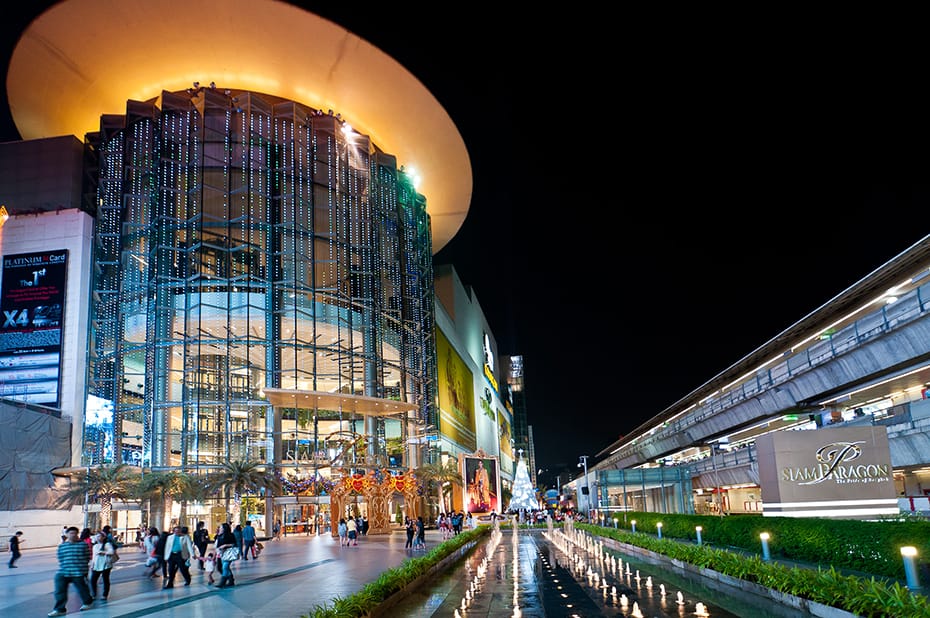
| Shopping Centers | Siam Paragon Bangkok, Central Plaza Ladprao Bangkok |
| Sports Venues | Yankee Stadium, AT&T Park, Rangers Ballpark |
| Transportation Hubs | Taipei Main Station |
Understanding the Check-In Culture
The check-in function on Facebook allows users to publicly display their current location. Originally designed as a social feature, it quickly evolved into something larger — a travel broadcast tool.
Young travelers adopted it almost immediately.
Posting a check-in serves several purposes:
-
informing friends about travel plans
-
documenting a journey
-
sharing excitement about a destination
-
occasionally expressing frustration during delays
From a planning perspective, this behavior produces an interesting dataset. It shows where travelers spend time, not just where they intend to go.
And surprisingly, that often begins at the airport.
Why Airports Appear at the Top of the List
The most checked-in location in the world is Los Angeles International Airport.
At first glance, the ranking might seem odd. Airports are rarely considered tourist attractions.
Yet several factors explain this pattern.
First, airports concentrate huge numbers of travelers in a single location. Thousands of passengers pass through terminals every hour.
Second, travelers often have idle time while waiting for flights. Checking in on social media becomes a quick way to share the beginning of a journey.
Third, airports symbolize transition. Posting from an airport marks the emotional start of a trip — the moment when everyday life pauses and travel begins.
Many travelers also post humorous or slightly weary updates during long layovers.
One frequent flyer summarized the experience in a travel forum:
“Airports are where the trip becomes real. You’re not just planning anymore — you’re leaving.”
The Asian Airports That Joined the Global List
While American airports dominate the top rankings, several Asian hubs appear among the most checked-in locations.
One example is Suvarnabhumi Airport, the primary international gateway to Thailand.
Another is Hong Kong International Airport, known for its modern architecture and expansive terminal facilities.
Other Asian airports appearing in the broader top-50 list include:
-
Taoyuan International Airport
-
Changi Airport
-
Incheon International Airport
These airports are not only transportation hubs but also complex travel environments with shopping areas, restaurants, and relaxation spaces.
For planners, these locations represent an important part of the traveler experience.
Beyond Airports – The Places Travelers Love to Share
Although airports dominate the list, several non-airport locations appear frequently in Facebook check-ins.
One of the most recognizable is Disneyland Park.
Theme parks naturally generate check-ins because they represent moments of celebration. Visitors want to share the experience instantly.
Another famous check-in location is Times Square.
The massive LED billboards, bright lights, and crowds make Times Square one of the most photographed intersections in the world.
Shopping destinations also appear prominently.
For example:
-
Siam Paragon
-
Central Plaza Ladprao
Large shopping centers often function as social spaces where visitors meet friends, watch movies, dine, and explore stores.
Stadiums and Entertainment Venues
Sports venues also generate large numbers of social media check-ins.
Among them are:
-
Yankee Stadium
-
AT&T Park
-
Rangers Ballpark
-
Dodger Stadium
These venues represent collective experiences — thousands of people sharing the excitement of a game or event.
The same pattern appears with entertainment complexes like Walt Disney World.
Social media posts from these places often capture the energy of crowds, celebrations, and unforgettable moments.
Transportation Hubs Beyond Airports
Another interesting location appearing on the list is Taipei Main Station.
Large transportation hubs often act as urban crossroads connecting rail networks, subway lines, and bus terminals.
Travelers check in at these locations not because they intend to stay long, but because they represent the gateway to exploration.
From Traveler to Planner – What Check-In Data Reveals
From a travel consultant’s perspective, Facebook check-in data reveals patterns that guide tourism planning.
-
Transit hubs matter.
Airports and stations shape the first impression of a destination. -
Experiences drive sharing.
Theme parks, stadiums, and markets appear frequently because they create memorable moments. -
Urban icons still dominate social media.
Locations like Times Square remain powerful visual symbols of travel.
Understanding these patterns helps planners design better visitor experiences around key travel nodes.
Things the Media Doesn’t Tell You
Media coverage often treats social media check-ins as proof that a location is exciting or famous.
But the reality is more complicated.
Many airport check-ins occur during delays or long waits rather than joyful travel moments. Travelers sometimes use the feature simply to inform friends about their location.
Another overlooked point is that check-ins do not necessarily reflect how long visitors stay at a location.
A traveler may check in at an airport once but spend only a few minutes posting before boarding a plane.
Finally, social media trends change quickly. A location that dominates check-ins today may disappear from the list tomorrow as new destinations gain attention.
A digital travel analyst once summarized the trend in a conference discussion:
“Check-ins show where people pass through. They don’t always reveal where the best experiences happen.”
Community Voices
One traveler wrote in a Facebook travel group:
“I check in at airports to prove the trip has officially started.”
Another added humorously:
“Half my airport check-ins happen when my flight is delayed and I have nothing else to do.”
Together these comments reveal something simple yet revealing: check-ins reflect human behavior, not just tourism statistics.
Why Airports Lead Facebook Check-Ins – A Planner’s Look at Global Travel Hotspots.
facebook check in travel, most checked in places, los angeles airport checkin, global airport travel hubs, siam paragon bangkok, times square tourism, disneyland california travel, suvarnabhumi airport bangkok, hong kong airport travel, changi airport singapore, incheon airport korea, yankee stadium events, taipei main station travel, global tourism trends, social media travel data
