Shopping, when done properly, is not consumption. It is anthropology with receipts. You walk into a city, and the shelves begin to talk. Fabric whispers of climate and class. Jewelry murmurs about ritual and inheritance. Food stalls confess to long nights and inherited recipes. The truly great shopping destinations do not merely sell things. They sell context. They sell memory. They sell the peculiar joy of discovery that makes you think, irrationally and sincerely, I must come back here.
Across the world, a handful of cities have perfected this alchemy. They transform commerce into experience, transactions into theatre. These are not places where you dash in and dash out. They hold you. Distract you. Seduce you slowly.
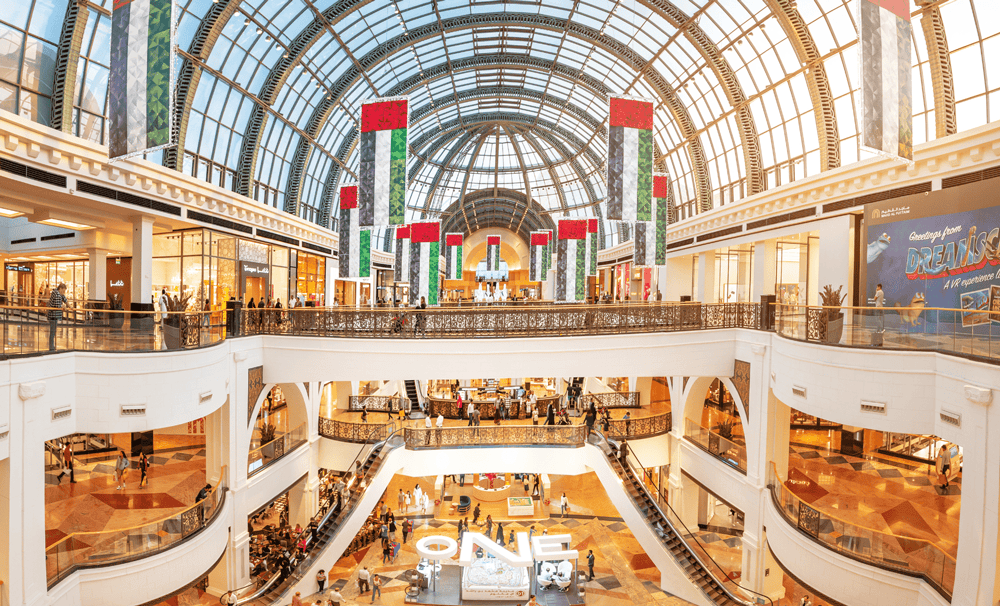
Dubai is the most unapologetic of them all. It does not pretend to be subtle. It dazzles, and then dazzles again, until resistance feels pointless. More than seventy shopping centers spread across the city, crowned by the immense Dubai Mall, one of the largest commercial spaces on the planet. Inside, fashion houses coexist with aquariums, skating rinks, and restaurants that feel like cinematic sets. Shopping here is vertical, horizontal, and occasionally overwhelming.
Yet Dubai’s true charm reveals itself along Dubai Creek, where wooden abras glide across the water and traders from China, India, Sri Lanka, and the Far East unload their goods. Gold souks glitter with almost aggressive confidence. Spice markets perfume the air with saffron and cardamom. This contrast, futuristic malls balanced by ancient trade routes, makes Dubai feel less like a shopping city and more like a global crossroads that never sleeps. Hotels nearby understand this rhythm well. Spacious rooms, late breakfasts, concierge teams fluent in retail geography. The benefit is simple. You shop hard. You rest well.
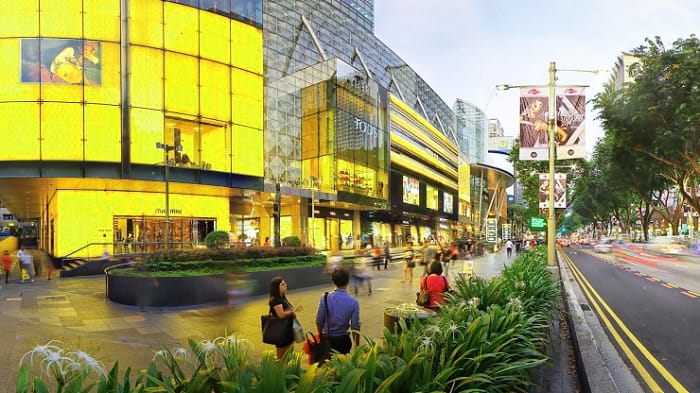
Singapore offers a different tempo. Orchard Road stretches beneath tropical trees, a long, polished artery of commerce where efficiency and indulgence walk hand in hand. By day, the sidewalks fill with purposeful shoppers moving between sleek malls stacked with electronics, couture, and familiar luxury names. Everything works. Elevators arrive. Air conditioning hums. Nothing feels accidental.
At night, Orchard Road transforms. Lights flicker on. Music leaks from storefronts. The street becomes performative, glamorous, and slightly mischievous. Hotels here excel in precision. Compact luxury. Strategic locations. Excellent transport links. The benefit is momentum. You lose no time. You gain experiences by the hour.
Marrakesh dismantles any notion of orderly shopping. The souks are a living organism, twisting through the old city in narrow arteries of noise and color. Leather slippers stack like sculptures. Lanterns glow like captured sunsets. Vendors call out, negotiate, retreat, reappear. Shopping here is a conversation, sometimes a duel, always a performance.
Real leather goods dominate, shoes, belts, bags, each infused with the scent of dye and tradition. When evening arrives, the main square ignites. Food stalls line up, smoke curling into the air, musicians staking out sonic territory. The atmosphere is chaotic, intimate, strangely familiar. Hotels in Marrakesh, often hidden behind unassuming doors, offer serene courtyards and thick walls that shut the city out when needed. The benefit is contrast. Sensory overload balanced by deep calm.
Milan approaches shopping as a discipline. Fashion here is not entertainment. It is craft. It is legacy. The city has shaped how the world dresses itself, particularly women, for decades. The Fashion Quadrangle, bounded by Duomo, Cavour, and San Babila, feels less like a shopping district and more like a museum where everything happens to be for sale.
Versace. Prada. Gucci. Ferragamo. These names carry weight here. They belong. Shopping in Milan is deliberate. You observe cuts. You feel fabrics. You consider silhouettes. Hotels align with this seriousness. Elegant interiors. Attentive but discreet service. Locations that place you within walking distance of both runway history and espresso bars. The benefit is confidence. You buy fewer things, but better ones.
Madrid surprises. It does not announce itself as a shopping capital, yet it quietly delivers. Capas Seseña, a cloak maker that produces nothing but cloaks, has dressed royalty and film stars alike. The garments feel theatrical, historical, almost defiant in their singularity. Nearby, El Corte Inglés operates on a grand scale, its vastness rivaling entire shopping centers elsewhere.
Shopping in Madrid blends tradition with abundance. You wander from artisanal shops into enormous retail spaces without feeling the shift. Hotels here feel lived in. Comfortable. Social. The benefit is ease. Shopping fits naturally into days already rich with food, museums, and late nights.
Paris, of course, needs little introduction. The Champs Elysees stretches nearly two kilometers, wide and ceremonial, linking Concorde to the Arc de Triomphe. Fashion houses line the avenue like declarations of intent. Louis Vuitton. Cartier. Montblanc. Hugo Boss. The architecture competes for attention, and often wins.
Shopping here carries a promise of authenticity. Fewer doubts about provenance. Greater assurance of quality. Between boutiques, cafes spill onto sidewalks, offering moments of reflection between purchases. Parisian hotels near the avenue understand aspiration. Rooms designed for recovery after indulgence. Concierge desks fluent in style. The benefit is trust. You shop knowing you are in the epicenter.
Seoul’s Dongdaemun takes shopping into the realm of endurance sport. Thirty shopping centers. Tens of thousands of retail outlets. Wholesale and retail intertwined. Fashion dominates, especially for women, with trends appearing here before they ripple outward across Asia.
Dongdaemun operates on its own clock. Some malls open when others close. Night shopping is not novelty but norm. Migliore, Doosan Tower, Town Freya pulse with energy well past midnight. Hotels in the area cater to this nocturnal rhythm. Late check ins. Flexible dining. Proximity over opulence. The benefit is access. You stay close to the action because distance costs opportunity.
What unites these destinations is not scale or luxury alone. It is intention. Each city has decided that shopping matters, that it deserves infrastructure, creativity, and respect. Tour products increasingly reflect this, offering curated shopping itineraries, stylist guides, tax refund assistance, and hotel partnerships that simplify logistics while expanding pleasure.
Shopping travel is not frivolous. It is immersive. It teaches you how people value beauty, function, status, and joy. These seven cities invite you to participate, not observe. To touch the culture. To wear it. To carry it home.
And once you do, you start planning the next trip.
world shopping travel guide, global shopping destinations, luxury shopping tour, Dubai shopping travel, Orchard Road Singapore shopping, Marrakesh souk shopping, Milan fashion shopping, Madrid shopping travel, Champs Elysees shopping Paris, Dongdaemun shopping Seoul, shopping tour packages, international shopping travel, best shopping cities world, luxury retail travel, shopping holiday destinations