Five Hollywood Blockbuster Landscapes That Awaken the Traveler’s Soul
Some places are born magnificent and somehow remain anonymous, like quiet geniuses sitting in the back row. Others are shaped patiently by human hands, admired locally, rarely shouted about. Then Hollywood arrives. A camera lens sweeps across a valley, a cliff, a temple, a stretch of sea. The world gasps in a darkened cinema. Planes fill. Hotels multiply. And a once whispering landscape begins to speak in a global voice.
Cinema does not merely record these places. It anoints them. It gives them myth, drama, memory. Travelers do not arrive simply to see scenery. They arrive chasing a feeling they once felt in a theater seat, heart slightly racing, eyes wide, imagination unlocked. Below are five such places, landscapes that stepped out of their natural or historical solitude and into worldwide desire after Hollywood placed its gaze upon them.
Milford Sound, New Zealand, The Lord of the Rings
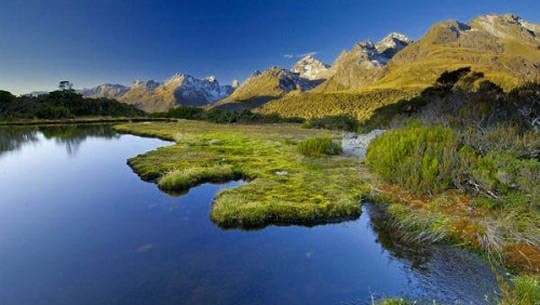
There are landscapes that feel composed by a benevolent god with an operatic sense of scale. Milford Sound is one of them. Long before cameras arrived, this fjord on New Zealand’s South Island existed in a state of almost unreasonable beauty. Sheer granite walls rise straight from dark, reflective water. Waterfalls appear after rain as if summoned by applause, streaming down rock faces in silver threads. Clouds drift low, theatrical, unhurried.
When The Lord of the Rings brought Middle earth to life, director Peter Jackson found in Milford Sound a ready made mythology. No digital trickery could have improved it. The mountains already leaned inward like guardians. The forests were ancient, brooding, eloquent in their silence. Light changed minute by minute, turning stone from charcoal to emerald to silver.
Travelers who arrive today often do so quietly. The place demands it. Cruises glide across the sound like respectful guests. Kayaks slip between cliffs, dwarfed, delighted. Helicopters skim peaks for those who want the godlike view. Lodges nearby offer warmth, windows, and long evenings where rain taps gently and wine glasses catch firelight.
Milford Sound is not merely visited. It is absorbed. The feeling lingers long after departure, a reminder that fantasy sometimes needs no invention at all.
Meteora Monasteries, Greece, James Bond For Your Eyes Only
Meteora looks impossible even when you stand beneath it. Stone pillars erupt from the Thessalian plain like petrified giants frozen mid ascent. On their summits, monasteries cling with a calm defiance, built by monks who valued isolation more than convenience and faith more than gravity.
When James Bond arrived here in For Your Eyes Only, the setting did half the work. Suspense came free. The camera traced rope ladders swaying above emptiness, stone stairways carved into nothingness, horizons that seemed to end abruptly. Meteora was no set. It was a philosophy in stone.
Today, Meteora remains deeply spiritual despite its fame. Six monasteries still function, bells still ring, prayers still echo faintly against rock. Visitors climb stone paths that wind upward, legs burning, thoughts slowing. From above, the view stretches across fields and villages, time flattening into something manageable.
Nearby towns offer guesthouses with wooden balconies, slow breakfasts, and the luxury of silence at night. Walking trails weave between pillars at dawn, when mist curls and the monasteries appear to float. Meteora teaches a rare travel lesson. Height can humble. Silence can thrill.
Phi Phi Islands, Thailand, The Beach
When The Beach was released, the world suddenly discovered what Thailand had known all along. Paradise exists, and it shimmers turquoise. Maya Bay on the Phi Phi Islands became an instant symbol of escape, a curved embrace of white sand ringed by limestone cliffs that rise like protective walls.
Leonardo DiCaprio ran across this sand on screen. Millions mentally followed. What visitors find is water so clear it feels unreal, coral gardens beneath the surface, fish darting like living confetti. The sea is warm, forgiving, endlessly inviting.
Tourism here has required careful recalibration. Nature, after all, is not a prop. Conservation efforts have allowed Maya Bay to heal, reminding travelers that beauty demands respect. Visiting now is more intentional, more mindful, more rewarding.
Beyond the famous bay, the Phi Phi Islands offer cliffside viewpoints that steal breath, long tail boats bobbing lazily, evenings where sunsets set the limestone aflame. Resorts range from barefoot luxury to modest bungalows where the soundtrack is waves and laughter.
Phi Phi is not just a beach destination. It is a study in desire, impact, and renewal, a place that teaches how fragile paradise can be when loved too loudly.
Ko Tapu, Phuket, James Bond The Man with the Golden Gun
One rock. That is all it took. A narrow limestone pillar rising from emerald water in Phang Nga Bay became cinematic shorthand for intrigue when James Bond set foot here in the early 1970s. Ko Tapu, now affectionately known as James Bond Island, was transformed from geological curiosity into global icon.
Approaching by boat is half the pleasure. The bay unfolds slowly, mangroves edging the water, karst formations punctuating the horizon like punctuation marks. Ko Tapu stands apart, improbably slender, defiant, photogenic from every angle.
This is a place best visited early, before crowds gather, when the water mirrors the sky and the island feels like a secret again. Nearby caves invite exploration, kayaks glide through narrow passages, and floating villages reveal a quieter rhythm of life untouched by cinematic fame.
Phuket’s hospitality infrastructure makes the journey seamless. Resorts along the coast offer day tours paired with spa evenings, seafood dinners, and soft sand underfoot. James Bond Island proves that clever storytelling can immortalize even a single stone, turning it into pilgrimage.
Angkor Wat and Ta Prohm, Cambodia, Tomb Raider
Angkor does not shout. It broods. Spread across the Cambodian jungle, its temples rise slowly from earth and root, stone softened by centuries of weather and worship. When Tomb Raider placed Angelina Jolie among these ruins, the world rediscovered Angkor’s magnetic power.
Ta Prohm, with its strangler figs gripping walls like giant hands, felt less like archaeology and more like revelation. Angkor Wat, vast and symmetrical, reflected in its surrounding moat, appeared timeless, indifferent to human schedules.
Visitors arrive at dawn now, drawn by photographs and film memories. They stay because the place insists. Walking through Angkor is walking through layers of ambition, devotion, collapse, and endurance. Each corridor echoes. Each carving tells a fragment of an epic.
Siem Reap has grown gracefully alongside this fame. Boutique hotels offer shaded courtyards and cool pools. Cafes hum with conversation in multiple languages. Guides speak not just of dates and kings, but of symbolism, cosmology, and survival.
Angkor is not merely seen. It is contemplated. Film brought attention. History holds it there.
These five landscapes share a curious destiny. They existed fully formed before Hollywood arrived. Cinema did not create them. It revealed them. And in doing so, it awakened a deep, restless urge in viewers everywhere. The urge to step into the frame. To replace the screen with sky. To feel, finally, that the world is larger, stranger, and more beautiful than imagined.
Travel does that. Movies simply remind us to begin.
Hollywood filming locations travel, movie inspired travel destinations, famous film locations tour, cinematic travel experiences, Lord of the Rings New Zealand tour, Meteora monastery travel Greece, Phi Phi Islands The Beach tour, James Bond Island Phuket tour, Angkor Wat Tomb Raider location, blockbuster movie travel destinations, film tourism worldwide, iconic movie landscapes travel, luxury hotels near film locations, cultural heritage film locations, adventure travel movie sites