
Busan city tour, beaches temples markets and the art of wandering
There is Seoul, dazzling and relentless, and then there is Busan, which breathes. The sea slows everything down. The mountains lean in protectively. The streets feel lived in rather than performed. Busan is not a supporting character in a Korean itinerary. It is a destination with its own logic, one shaped by salt air, film festivals, early morning markets, and evenings that stretch long into conversation and grilled fish.
As South Korea’s largest port city, Busan understands movement. Ships arrive. People leave. Stories accumulate. For travelers, this becomes a city that reveals itself in layers rather than landmarks. A well designed Busan tour does not rush. It connects temples to beaches, markets to spas, street food alleys to five star hotels overlooking the sea. This is travel that balances curiosity with comfort, exploration with restoration.
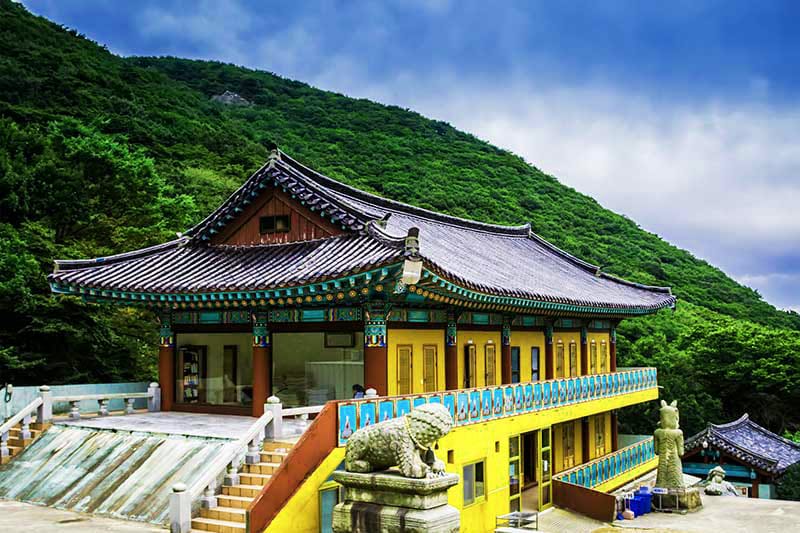
Beomeosa Temple
On the slopes of Geumjeongsan Mountain, Beomeosa Temple waits with the patience of thirteen centuries. Founded in 678 during the Silla Dynasty by the monk Uisang, this is not a monument you photograph and abandon. It asks for time. The climb itself is part of the experience, the city gradually thinning out behind you until pine, stone, and silence take over.
The temple complex holds treasures that are cultural rather than ostentatious. A three story stone pagoda. The Daeungjeon main hall, solid and restrained. Ancient gates that seem to filter not just people but moods. Many travelers combine Beomeosa with a guided cultural tour or temple stay, often paired with nearby mountain lodges that offer simple rooms, restorative meals, and a depth of sleep rarely found in cities. The benefit is clarity. You arrive busy. You leave lighter.
Gwangalli Beach
Gwangalli is Busan’s most theatrical shoreline. The beach itself is elegant, stretching 1.4 kilometers with fine sand and a gentle slope into the water. But the true spectacle begins after dark. Gwangan Bridge lights up with a choreography of color that can produce more than one hundred thousand variations, reflecting off the water like a digital aurora.
Along the promenade, seafood restaurants and cafes compete not with noise but with view. Dining here becomes part of the tour experience. Fresh sashimi. Grilled shellfish. Late night conversations with the bridge glowing patiently in the background. Hotels nearby range from stylish boutique properties to full service beachfront hotels offering panoramic balconies and soundproofed serenity. The benefit is atmosphere. You feel present without being overwhelmed.
Jagalchi Fish Market
Jagalchi is not curated. It is alive. As Korea’s largest and most famous fish market, it operates on a rhythm older than tourism. Stalls open early, some before dawn, and continue well into the evening. Tanks bubble with movement. Vendors call out. Knives flash. The air smells unmistakably of the sea.
For travelers, Jagalchi is best experienced with appetite and humility. You can sample live seafood on the spot, prepared upstairs in simple dining rooms where freshness replaces ceremony. Many Busan food tours anchor themselves here, pairing the market with nearby street food alleys and coastal restaurants. The benefit is immediacy. There is no distance between source and plate, between city and ocean.
Taejongdae Resort Park
At the southern edge of Yeongdo Island, Taejongdae offers a different face of Busan. Cliffs drop dramatically into the sea. Waves collide with rock rather than sand. The park is named after King Taejong Muyeol of the Silla Dynasty, who reportedly practiced archery here, drawn by the clarity of the horizon.
Today, Taejongdae functions as both natural park and contemplative resort zone. Coastal walking trails, observation points, and a small lighthouse create a sense of measured exploration. Nearby hotels emphasize views, wide windows, and quiet interiors. Many Busan coastal tours include Taejongdae as a visual counterpoint to beaches, reminding travelers that the sea can be severe as well as soothing. The benefit is perspective.
Haeundae Beach
If Busan has a signature image, it is Haeundae. This is South Korea’s most famous beach, and it earns the reputation daily. The shoreline is long, energetic, and lined with restaurants, bars, and hotels that never seem to sleep. During summer months, especially from May to August, the beach becomes a festival of umbrellas, laughter, and motion.
Yet Haeundae also understands luxury. High rise hotels offer infinity pools overlooking the sea, spas with mineral treatments, executive lounges designed for travelers who want silence after spectacle. The beach’s gentle slope and warm water make it accessible, while nearby attractions such as Dongbaek Island add texture. The benefit is choice. Haeundae allows you to curate your own pace.
Haedong Yonggungsa Temple
Most temples hide in mountains. Haedong Yonggungsa defies this instinct by clinging to the rocky coastline of northeastern Busan. Built in 1376 during the Goryeo Dynasty, the temple opens itself to the sea, allowing waves, wind, and light to participate in worship.
Descending the stone steps toward the main complex feels ceremonial. The ocean frames every structure. Lanterns sway. The soundscape is not bells alone but surf. Many travelers visit Yonggungsa at sunrise, often as part of guided coastal tours that include nearby cafes and observation decks. The benefit is rarity. Temples by the sea are uncommon, and this one feels memorably exposed.
Changseondong Meokja Golmok
In a narrow alley that refuses to be quiet, Changseondong Meokja Golmok delivers Busan’s edible personality. Street food stalls crowd the passage, steam rising, oil crackling, vendors moving with rehearsed urgency. This is not dining. It is participation.
Here you eat Chungmu kimbap without fuss. Bibimbap mixed with confidence. Pajeon crisped to perfection. Many travelers discover this alley through food tours, though wandering in works just as well. Nearby hotels benefit from location, offering quick access to both street life and comfortable retreat. The benefit is flavor, direct and unfiltered.
Busan Aquarium
At the entrance to Haeundae Beach, Busan Aquarium offers a plunge into controlled wonder. Nearly thirty five thousand marine creatures move through carefully designed habitats, from shimmering schools of fish to penguins and piranhas that command attention.
For families, it is essential. For solo travelers, unexpectedly meditative. Many hotels nearby offer discounted entry as part of travel packages, combining beach, aquarium, and spa access. The benefit is immersion without risk, the ocean translated into calm observation.
Hur Shim Chung Spa
To end a Busan journey without Hur Shim Chung would feel incomplete. One of the oldest spas in South Korea, it draws from magnesium rich hot springs reaching temperatures around fifty five degrees Celsius. The effect is immediate. Muscles surrender. Thoughts slow.
Beyond the baths, the spa offers milk baths, saunas, outdoor pools, oxygen rooms, beauty services, and temperature varied snow huts that test your relationship with comfort. Upper levels include rest zones and restaurants, allowing you to spend hours without urgency. Many Busan hotel packages integrate spa access, understanding that restoration is part of travel, not a reward after it.
Busan does not demand admiration. It earns it gradually. Through repetition. Through texture. Through moments that feel unplanned yet inevitable. This is a city best approached with curiosity and left with reluctance.
Busan travel guide, Busan city tour, Busan port city travel, Busan beach vacation, Busan temple tour, Haeundae beach hotel, Gwangalli beach travel, Jagalchi fish market tour, Busan food travel, Busan spa experience, South Korea coastal travel, Busan luxury hotel, Busan cultural attractions, Busan itinerary ideas, Busan travel blog
