There are cities that impress you, and there are cities that quietly take possession of your mood. Da Nang does the latter. It does not shout. It unfolds. One moment you are on a riverbank watching lights ripple across black water, the next you are climbing into clouds, or standing barefoot on sand that still remembers dawn.
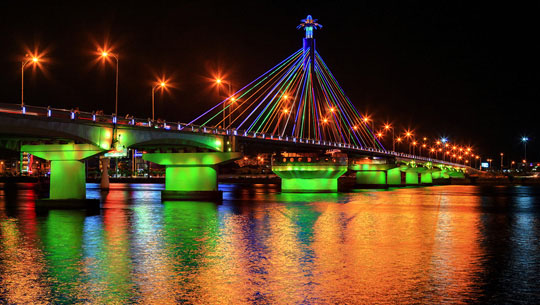
Da Nang sits between mountain and sea with the confidence of a place that knows it is well positioned. The Han River slides through the city like a measured sentence, calm, reflective, never hurried. And crossing it, quite literally and symbolically, is the Han River Bridge. By day it is elegant, purposeful. By night it becomes theatrical. Just after midnight, the bridge rotates, slowly, deliberately, turning its spine to let ships pass. Locals gather. Travelers gather. There is a shared hush. Watching the bridge turn is not sightseeing. It is participation. Hotels near the river understand this ritual, offering rooms with river facing windows, late night refreshments, and staff who remind you gently when the moment approaches. The benefit is immediacy. You do not commute to wonder. You wait for it.
From the city center, Da Nang releases you quickly into wildness. Son Tra Peninsula rises like a green fist from the sea, ten kilometers from downtown yet emotionally much farther. Here you climb and descend in the same morning. Jungle gives way to beach. Monkeys appear with the casual entitlement of locals. You might swim at My Khe Beach, then drive upward toward Linh Ung Pagoda, where a towering statue of the Lady Buddha watches the city with serene authority. From the summit, Da Nang looks orderly, coastal, composed. Hotels around Son Tra specialize in contrast, offering sea facing rooms paired with forest views, quiet mornings followed by adventurous afternoons. The benefit is range. Few places let you hold forest and ocean in the same day.
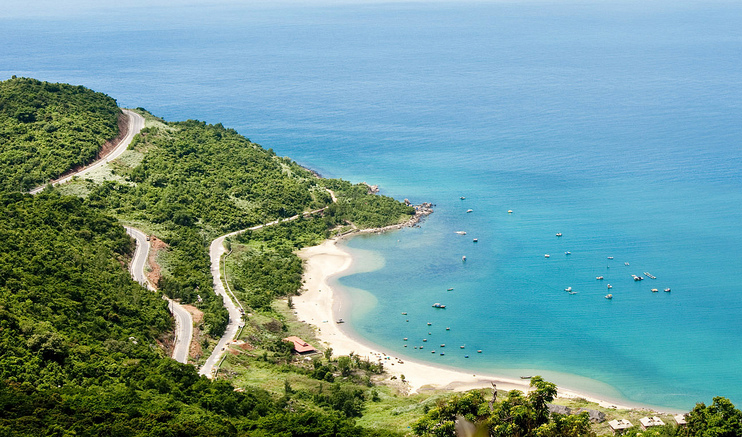
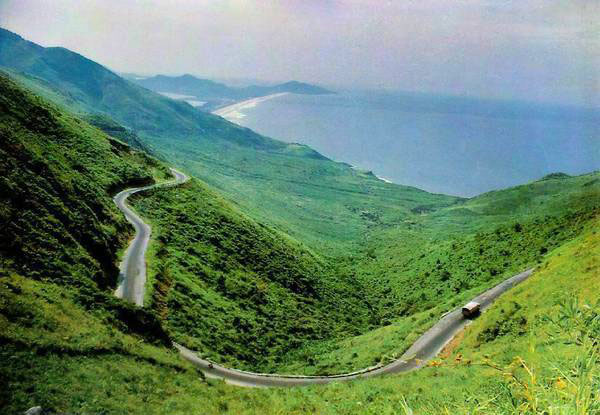
If Son Tra is intimacy, Hai Van Pass is drama. This twenty kilometer ribbon of road climbs toward the clouds, dividing Da Nang from Hue, and offering some of the most arresting coastal views in Southeast Asia. Even with a modern tunnel available, travelers still choose the pass. They want the vertigo. From nearly five hundred meters above sea level, you see Lang Co Bay curving like a painted smile, Da Nang shimmering in the distance, Non Nuoc Beach stretching pale and patient. The drive is not efficient. It is memorable. Boutique hotels and tour operators in Da Nang curate Hai Van journeys carefully, pairing scenic stops with storytelling, ensuring safety without dulling the thrill. The benefit is perspective. You understand geography emotionally, not just visually.
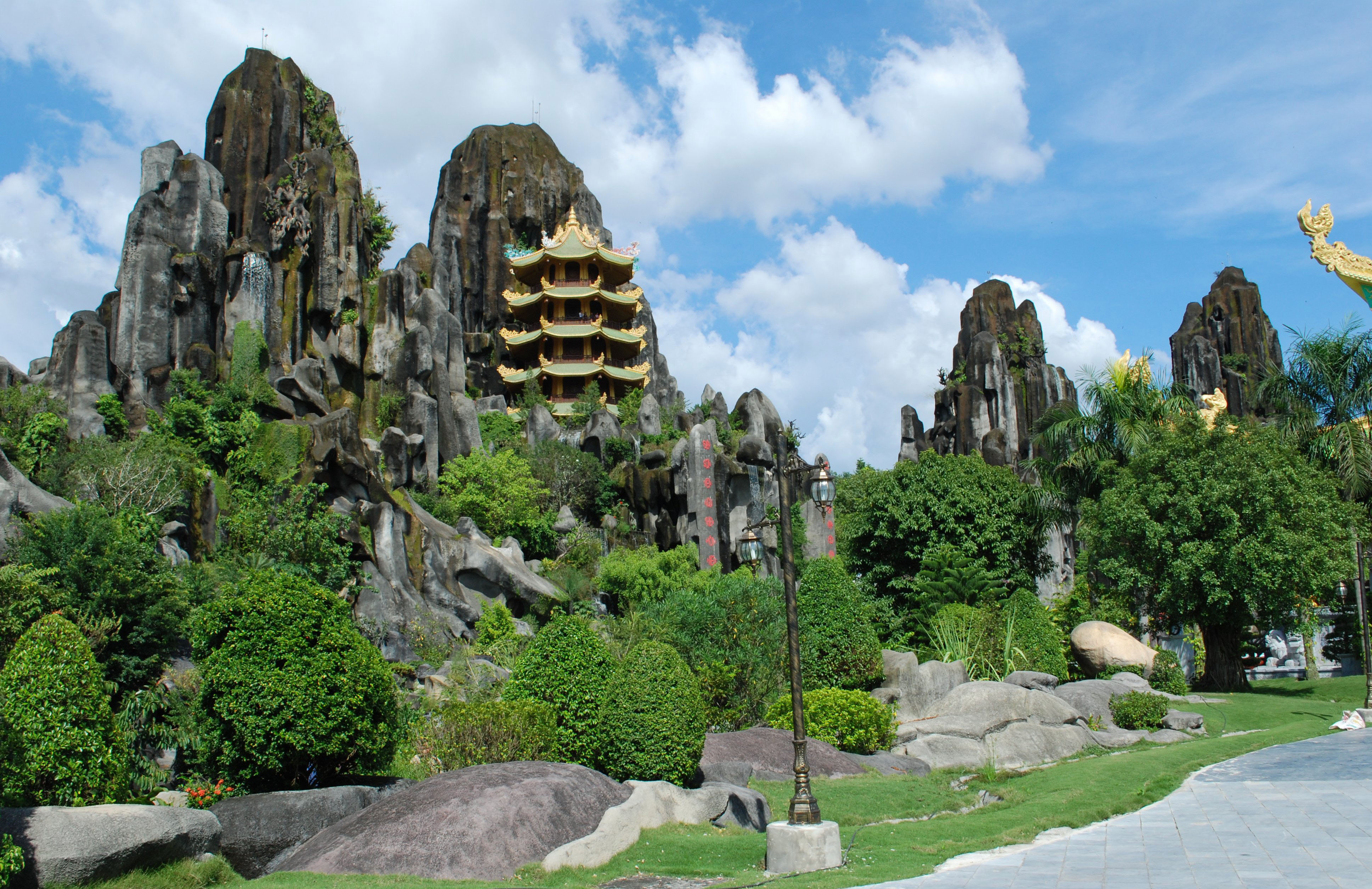
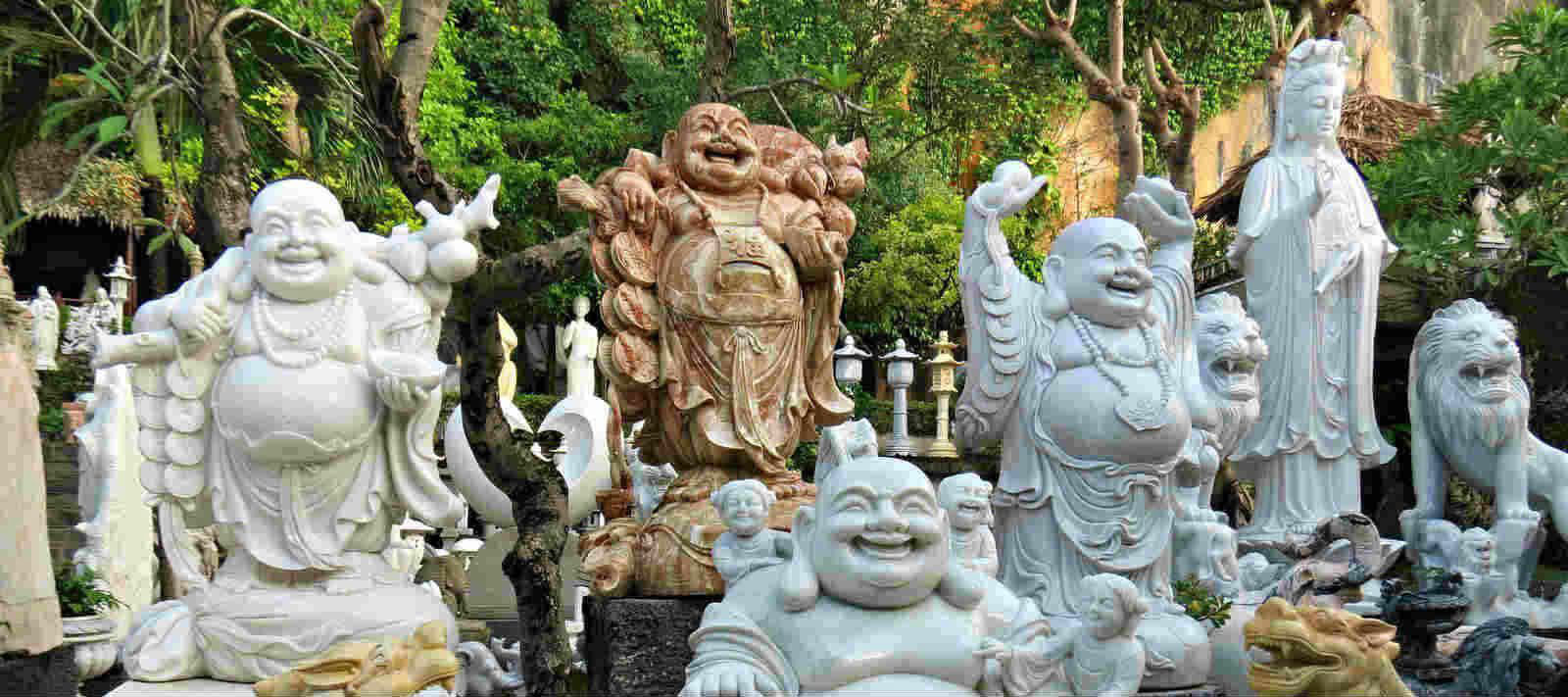
Closer to the city, the Marble Mountains rise unexpectedly from the flatlands. Known collectively as the Five Elements Mountains, they feel like a philosophical proposition rendered in stone. Water Mountain, the most visited, contains caves that inhale light and exhale incense. Pagodas appear where you least expect them. Stone steps lead to sudden views of the sea. At the foot of the mountains lies Non Nuoc Stone Carving Village, where marble becomes memory. Craftsmen shape Buddha figures, animals, abstract forms, each object carrying the weight of patience. Hotels in this area often collaborate with local artisans, offering guided visits and curated souvenirs. The benefit is authenticity. You witness skill, not spectacle.
The Non Nuoc village itself deserves time. Established centuries ago, it has resisted the urge to modernize into uniformity. Instead, it has refined its craft. Watching a sculptor coax form from stone is to watch time slow down. Travelers are invited to observe, to ask questions, to choose a piece that will outlast trends. Nearby accommodations offer spacious rooms and quiet courtyards, ideal for travelers who prefer reflection to noise. The benefit is permanence. You take something home that does not fade.
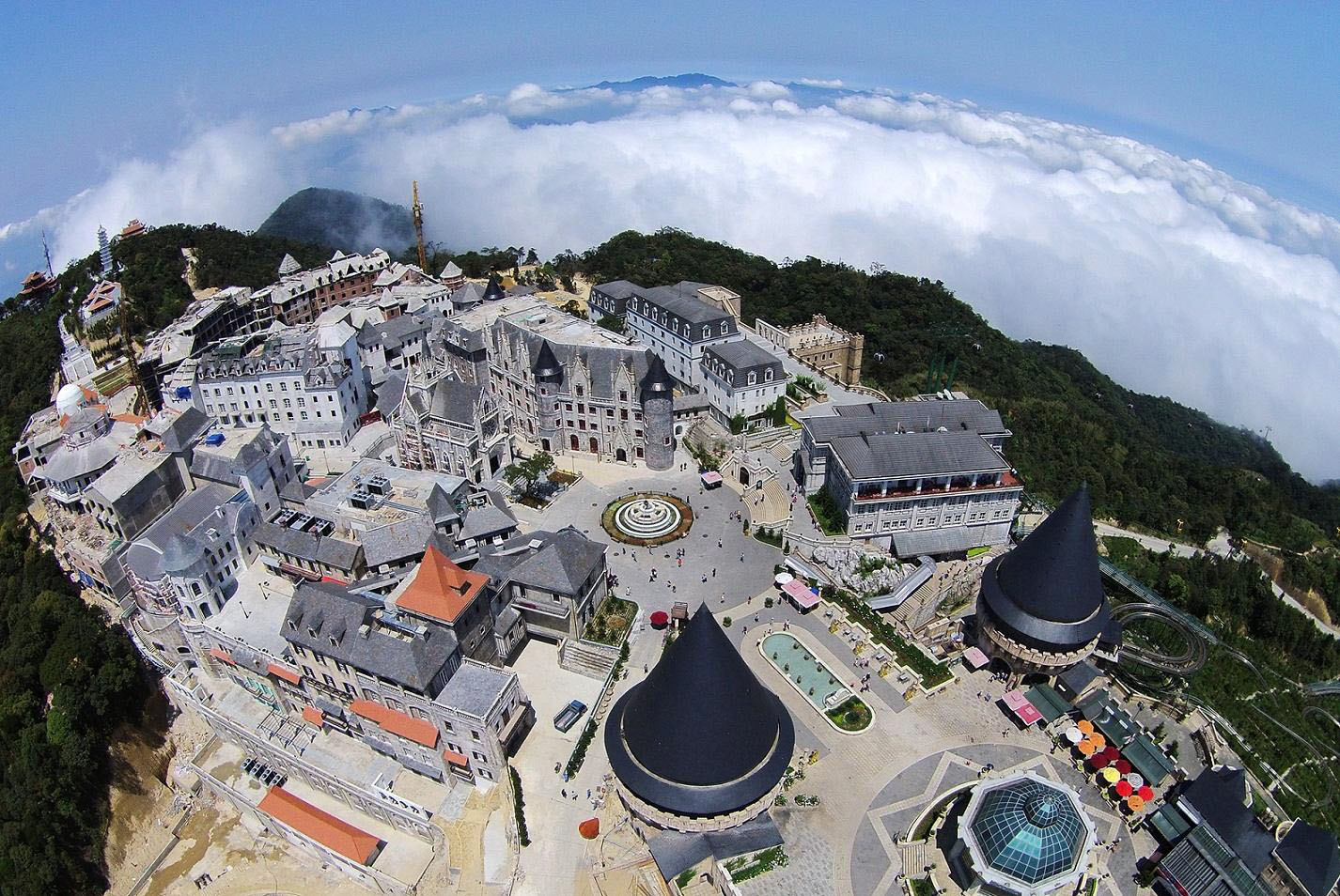
Forty kilometers inland, Ba Na Hills rewrites altitude. Rising to nearly fifteen hundred meters, it changes weather as decisively as mood. Morning feels like spring. Noon like summer. Evening carries autumn. Night whispers winter. The cable car ascent is long, steep, and strangely calming. At the summit, the world spreads out in layers. Sea, city, farmland, cloud. Ba Na Hills is both nature reserve and curated playground, with pagodas, waterfalls, gardens, and a vast indoor amusement park. Hotels here are designed as sanctuaries, offering warm interiors, panoramic views, and dining that acknowledges the appetite altitude creates. The benefit is escape. You are elsewhere without leaving the region.
Back at sea level, Pham Van Dong Beach offers accessibility without sacrificing beauty. This public beach is meticulously maintained, equipped with showers, changing rooms, and shaded areas. Families gather. Swimmers linger. The sea remains clear, the sand generous. Hotels nearby are pragmatic and welcoming, catering to beach focused travelers who want comfort without pretension. The benefit is ease. Nothing stands between you and the water.
North of the city center lies Nam O Reef, a place best visited when the tide withdraws and reveals its secrets. Volcanic rocks emerge, slick with seaweed, alive with small creatures. Fishermen know this rhythm. Visitors who time it well feel initiated. From here, eco tours extend inland along the Cu De River toward rural villages and minority communities. Lodges and homestays associated with these tours emphasize sustainability, local cuisine, and small group experiences. The benefit is connection. You see how coast and countryside converse.
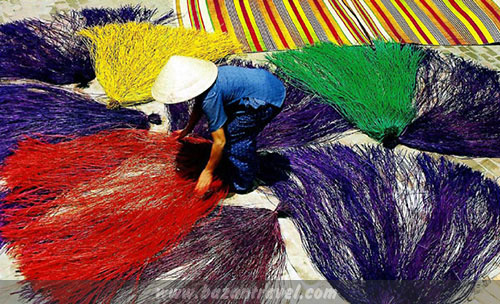
Further inland, Cam Ne Mat Weaving Village offers a different texture of history. Once favored by the Nguyen royal court, these mats are thick, durable, and scented faintly of fields. Lying on one in summer brings cool relief. In winter, gentle warmth. Hotels that include Cam Ne in their itineraries often focus on cultural travelers, offering workshops and storytelling sessions. The benefit is intimacy. You touch daily life, not curated display.
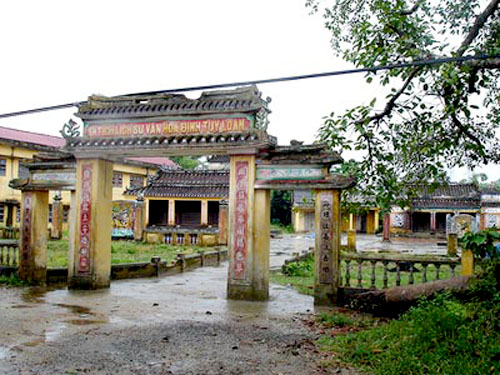
Finally, Tuy Loan Ancient Village anchors Da Nang in time. Over five hundred years old, it centers on a communal house recognized as a national heritage site. Visit during the lunar New Year festival and the village becomes kinetic with boat races, folk games, and traditional singing. Food here is not performative. It is generous. Rice paper. Mi Quang. Flavors that carry laughter. Guesthouses near Tuy Loan emphasize simplicity, home cooked meals, and proximity to village life. The benefit is belonging. You are welcomed, not processed.
Da Nang does not demand allegiance. It earns it. Through bridges that turn, mountains that breathe, beaches that listen, and villages that remember.
You come for a visit.
You stay because leaving feels premature.
Da Nang travel guide, Da Nang tour destinations, best places to visit in Da Nang, Da Nang beach and mountain tour, Han River Bridge Da Nang travel, Son Tra Peninsula tour, Hai Van Pass scenic drive, Marble Mountains Da Nang travel, Ba Na Hills cable car tour, Pham Van Dong Beach Da Nang, Nam O Reef eco tour, Cam Ne mat weaving village travel, Tuy Loan ancient village tour, Da Nang cultural travel experience, Da Nang vacation itinerary