
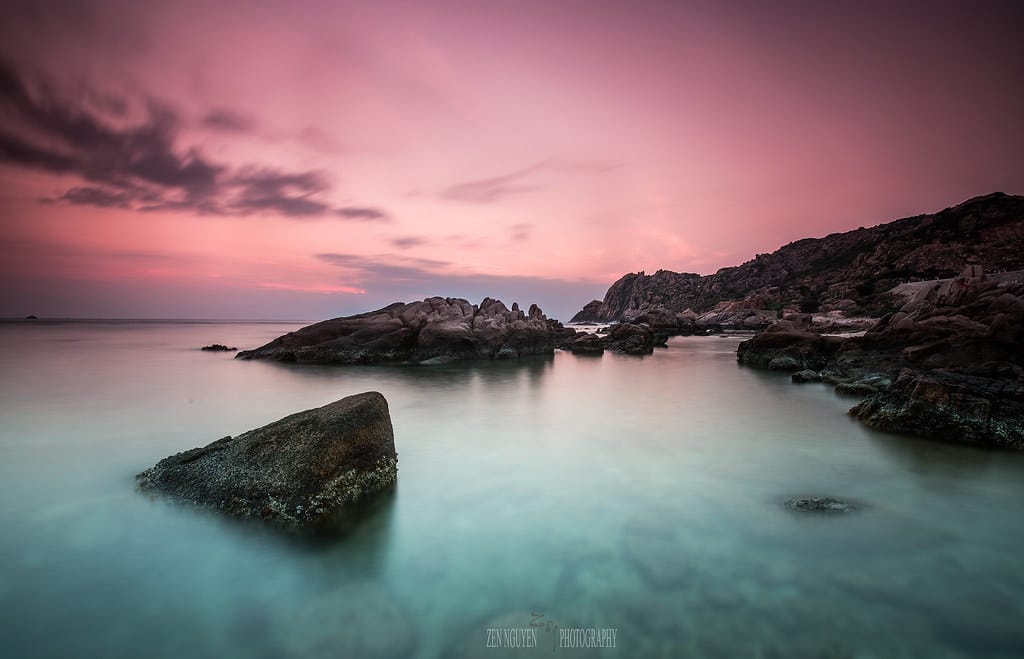
Lobster Island Vietnam Why Binh Ba Is A Must Visit
Lobster Island Vietnam Why Binh Ba Is A Must Visit
There are islands that advertise themselves with beach clubs and high-rise resorts.
And then there is Binh Ba.
Small. Unassuming. Still a little wild around the edges. Located about 15 kilometers from Cam Ranh Port in Khanh Hoa Province, Binh Ba Island has quietly earned a nickname that says everything you need to know: “Lobster Island.”
Yet lobster is only the beginning.
Spend a few days here and you will understand why so many visitors return again and again. Binh Ba does not overwhelm you with spectacle. It wins you over with clarity — clear water, clear skies, clear hospitality. It is the kind of place that reminds you how simple travel can be when nature is still in charge.
If you have never been, here are ten reasons that might convince you to book that boat ticket this summer.
1. Surprisingly Easy To Reach
One of the most appealing aspects of Binh Ba is its accessibility.
From Cam Ranh Port, boats depart daily toward the island. The journey takes just over an hour from Da Bac Port, skimming across open water with the wind in your face. Public boats typically run in the late morning and mid-afternoon from Cam Ranh to Binh Ba, with return trips early in the morning and around midday.
For groups, private boats are available, allowing greater flexibility and eliminating waiting time.
The approach itself sets the tone. As the mainland recedes, the island appears gradually — low hills, scattered houses, fishing boats clustered near the pier. It feels like you are crossing into another rhythm of life.
And you are.
2. Water So Clear It Feels Unreal
Binh Ba retains much of its original character. Unlike heavily commercialized coastal destinations, the island has not been overtaken by mass tourism infrastructure. The result is strikingly transparent seawater and beaches with fine white sand.
On a bright day, the water reflects the sky in shifting shades of blue and turquoise. You can see straight to the seabed. Fish dart between rocks. Sunlight ripples across the surface like liquid glass.
There is a palpable sense of calm here. No jet skis roaring past. No blaring beach clubs. Just the steady rhythm of waves.
The island community takes environmental cleanliness seriously. Beaches and piers are notably free of litter. It is a small detail, but one that profoundly shapes the experience.
3. Beaches Without The Crowds
Tourism in Binh Ba has grown in recent years, yet it remains modest in scale. The island has roughly 700 households and about 5,000 residents. Even during peak season, beaches rarely feel overcrowded.
This is a rare luxury in Southeast Asia.
You can swim freely, float on your back, and stare into a vast open horizon without elbowing through crowds. The silence feels expansive.
For travelers accustomed to packed European coastlines or bustling American beach towns, this sense of space feels almost indulgent.
4. Three Beaches Three Personalities
Binh Ba’s coastline offers three signature beaches, each with its own character.
Bai Chuong is known for sunrise. Wake early and watch the first light spread across the sea. The sky softens from gray to rose to gold. Fishing boats become silhouettes against the growing brightness. It is the kind of morning that resets your internal clock.
Bai Nom is ideal for sunset. Many visitors pitch tents here, staying late to watch the sun melt into the horizon. The sand glows warm under fading light. Conversations grow quieter as the colors deepen.
Bai Nha Cu is perhaps the most picturesque. The water here is exceptionally clear and slightly deeper, making it a favorite for snorkeling. Coral formations lie beneath the surface, and adventurous visitors often try their hand at catching small seafood under guidance.
Each beach offers a different relationship with the sea. Morning contemplation. Evening reflection. Underwater exploration.
5. Fishermen Hospitality At Its Best
Tourism services on Binh Ba are run almost entirely by local residents. Homestays, boat rentals, fishing excursions, lobster farm visits — all are organized by families who have lived here for generations.
The atmosphere is informal but sincere.
Guests are welcomed not as transactions but as temporary neighbors. Whether arranging a boat tour or preparing a meal, islanders approach their work with a straightforward honesty that feels increasingly rare in heavily touristed regions.
It is this human warmth that often leaves the strongest impression.
6. Seafood In Abundance
After sunrise, head to the local market.
Fresh squid, sea urchins, blood cockles, and a wide variety of fish fill the stalls. Many visitors select their seafood directly and ask locals to prepare it on the spot.
The squid here is notably thick and sweet. Sea urchins are plentiful. Fish are firm and richly flavored, grilled, steamed, or transformed into refreshing salads.
This is seafood that has traveled meters, not miles.
7. Lobster The Island Signature
Lobster is the defining specialty of Binh Ba.
Hundreds of floating lobster farms surround the island, forming the backbone of the local economy. Because production happens here, lobster is available in its freshest possible form.
Preparation methods remain true to fishing traditions — grilled simply to preserve sweetness and firm texture. No heavy sauces. No unnecessary embellishment.
Visitors consistently describe grilled lobster as the highlight of their stay. It is indulgent, yes, but also elemental. Ocean, fire, salt.
8. Catch Cook Feast On The Floating Farms
One of the most memorable experiences involves visiting the floating lobster farms themselves.
You step onto wooden platforms anchored offshore. Beneath your feet, cages hold live lobster and other seafood. With guidance, you can select your own lobster directly from the water.
Moments later, it is prepared and cooked right there on the floating structure. The meal becomes a spontaneous seaside feast, surrounded by open horizon and gentle waves.
There is something deeply satisfying about eating seafood you have chosen yourself, prepared within meters of where it was raised.
It is immersive dining in its purest form.
9. Affordable Island Living
Despite its growing popularity, Binh Ba remains relatively affordable.
Seafood prices are considered “at source,” reflecting the island’s direct production. Local cooking services are reasonably priced. Informal services around beaches remain accessible.
Street snacks near swimming areas offer simple coastal treats at modest cost.
Value here is not about luxury branding. It is about authenticity without inflated expectations.
10. Dinner Floating On The Sea
Perhaps the most unusual experience is one that few other destinations offer.
Wearing a life jacket, you can float gently on calm evening waters while enjoying a seafood dinner. The sea is clear and cool. The sky darkens gradually. You sip a light drink as waves rock you softly.
It is poetic. Slightly surreal.
And unforgettable.
Why Binh Ba Stays With You
Binh Ba is not polished. It does not pretend to be a luxury enclave.
It is better than that.
It is a working island that has opened its doors without losing its identity. A place where lobster farms coexist with empty beaches. Where sunrise and sunset feel equally important. Where the sea remains central to daily life.
For travelers from Europe or the United States seeking something beyond commercial resort culture, Binh Ba offers a compelling alternative — small scale, human scale, ocean scale.
You arrive curious.
You leave reluctant.
And somewhere between Bai Chuong at dawn and a floating lobster feast at night, you begin planning your return.
From Da Bac Port To Binh Ba A Simple Island Adventure
Binh Ba Island, Lobster Island Vietnam, Cam Ranh travel, Bai Chuong sunrise, Bai Nom sunset, Bai Nha Cu snorkeling, Binh Ba seafood, lobster farm Vietnam, Khanh Hoa islands, Vietnam island getaway, fresh seafood Vietnam, floating dinner experience, quiet beaches Vietnam, Binh Ba homestay, Cam Ranh boat trip
