
Phu Quoc Off Season Travel Guide – Discovering Vietnam’s Island When the Crowds Disappear
Phu Quoc Off Season Travel Guide – Discovering Vietnam’s Island When the Crowds Disappear
Most travelers imagine tropical islands at their busiest. Bright sunshine, full beaches, and rows of resorts buzzing with activity. But islands, like people, have quieter moods too. And sometimes those quieter moments reveal far more character.
Between April and October each year, the island of Phu Quoc enters what locals simply call the “low season.” For the tourism industry it means fewer visitors and unpredictable weather. For backpackers and curious travelers, however, it can be something entirely different.
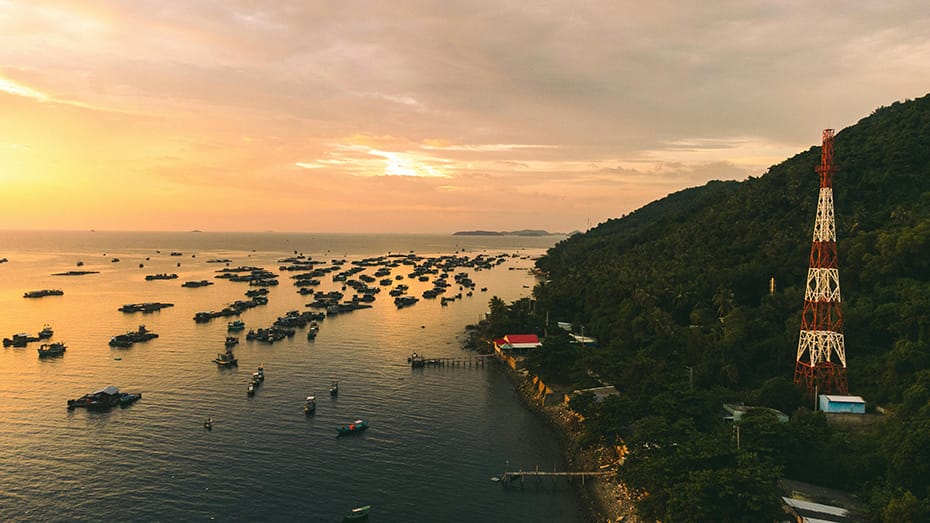
This is when the island slows down. The beaches become quieter. Fishing boats drift lazily near the horizon. Roads stretch empty beneath rows of swaying coconut trees. And the rhythm of everyday life becomes visible in a way that high season rarely allows.
For those willing to accept a little rain and a little unpredictability, this may be the most fascinating time to experience Vietnam’s largest island.
When Phu Quoc Becomes Quiet
The off-season on Phu Quoc runs roughly from April until October. During these months the island feels noticeably calmer. Resorts that once bustled with international guests become peaceful hideaways. Restaurants reduce their opening hours. Some small travel services even close temporarily.
You might walk past a seaside café and see a handwritten sign on the door that reads simply: “See you again in October.”
Locals often describe the tourism cycle with a smile: six months working, six months resting.
But this temporary quiet creates a rare opportunity. Without the constant flow of visitors, the island feels more authentic. It becomes easier to observe daily life, talk to fishermen in small harbors, or watch children playing along the beaches after school.
The island breathes differently during these months.
Getting to Phu Quoc Island
Despite its tropical isolation, reaching Phu Quoc is surprisingly straightforward.
The fastest route is by air. Flights depart daily from major Vietnamese cities including Ho Chi Minh City, Hanoi, and Rach Gia. Flight times range from about half an hour to two hours depending on the departure city.
The island is served by Phu Quoc International Airport, located about five kilometers southeast of Duong Dong Town, the island’s main urban center.
Two Vietnamese airlines frequently connect the island with the mainland: Vietnam Airlines and Vietjet Air.
But for travelers who enjoy slow journeys, the sea route offers something special.
The High Speed Boat Experience
From the mainland ports of Rach Gia and Ha Tien, high-speed ferries cross the Gulf of Thailand toward Phu Quoc. The trip takes nearly three hours.
During calm weather, the journey can be surprisingly pleasant. The sea stretches endlessly across the horizon while small islands appear occasionally in the distance.
However, the monsoon season can bring stronger waves. Interestingly, passengers often notice that traveling from the mainland to the island feels rougher than the return journey. When the sea becomes too unpredictable, ferry services pause until conditions improve.
On clear days though, arriving by boat creates a sense of anticipation. The island gradually emerges from the horizon like a green silhouette rising from the sea.
Exploring the Island by Motorbike
Phu Quoc measures roughly fifty kilometers from north to south, with its widest point around twenty-five kilometers. Roads connect most towns and villages, and in recent years many of these routes have been widened and improved.
Still, the most enjoyable way to explore the island remains wonderfully simple: a motorbike.
Visitors frequently rent small scooters and ride along coastal roads, jungle paths, and fishing villages. The freedom is intoxicating. One moment you’re cruising along a quiet shoreline road. The next, you’re stopping beside a hidden beach simply because it looks inviting.
Interestingly, parking on the island is informal. Dedicated motorbike parking areas are rare. Both locals and visitors simply leave their bikes wherever it seems reasonable. Because most bikes are older models and not particularly valuable, theft is rarely a concern.
The result is a relaxed environment where exploration feels easy and spontaneous.
Beaches That Define Phu Quoc
Mention Phu Quoc to Vietnamese travelers and one image appears instantly: blue sea, white sand, and golden sunlight.
The island’s coastline is lined with wide sandy beaches and shallow waters, making it ideal for swimming and long walks along the shore.
Some of the most famous beaches include:
-
Bai Sao
-
Bai Vong
-
Bai Thom
-
Bai Dai
Certain beaches are located inside private resorts, but many remain open and accessible. Travelers can often pull over along the coastal road, walk through rows of casuarina trees or coconut palms, and suddenly step onto a stretch of sand that feels almost deserted.
During low season, it is not unusual to have an entire beach nearly to yourself.
The sound of the wind through palm leaves replaces the usual soundtrack of tourist chatter.
Evening Life in Duong Dong
The island’s liveliest area is Duong Dong Town, a coastal town that serves as the island’s commercial heart.
In the evening, visitors often gather at the local night market. Food stalls line the streets, glowing beneath strings of warm lights. The scent of grilled seafood drifts through the air.
This is one of the best places to taste local specialties.
Two dishes appear frequently on menus:
Goi ca trich – a refreshing herring salad made with fresh herbs and shredded coconut.
Cau gai – sea urchin prepared in several styles, sometimes grilled or served raw with lime.
Many stalls also prepare seafood dishes in both Vietnamese and Western styles, reflecting the island’s growing international visitor base.
The night market is not only about food. It is a place to watch island life unfold. Fishermen arrive after sunset. Families stroll slowly between stalls. Travelers sit on small plastic chairs enjoying plates of freshly grilled seafood.
Discovering Hidden Local Cuisine
Beyond the tourist areas, another layer of Phu Quoc quietly exists.
Over the years many people from different parts of Vietnam have moved here to build new lives. Because of this migration, the island contains small pockets of regional cuisine scattered across villages and neighborhoods.
Backpackers who wander far from the central tourist areas sometimes stumble upon family-run eateries serving dishes from distant Vietnamese provinces.
But these places are not always easy to find. Often the best way to discover them is by talking to long-time island residents who know where these hidden kitchens are located.
Sometimes the most memorable meal on the island comes from a tiny roadside stall that doesn’t appear on any travel guide.
Rainy Days and Unexpected Sunshine
Low season naturally means rain. Tropical showers appear suddenly and sometimes disappear just as quickly.
A morning might begin under dark clouds, only to transform into brilliant sunshine by afternoon. These shifting weather patterns create a dramatic atmosphere across the island’s forests, rivers, and mountains.
Phu Quoc is more than beaches. Inland, dense forests and winding streams offer opportunities for hiking and nature exploration. On clear days after rainstorms, the landscape feels fresh and vibrant.
The island becomes greener, quieter, and almost mysterious.
Night Walks Along Dark Beaches
Perhaps the most unusual experience during low season happens after sunset.
To conserve electricity, parts of the town sometimes reduce lighting late at night. When this happens the island grows surprisingly dark.
For travelers wandering along the beach, the experience can feel magical.
The ocean becomes a quiet shadow beneath the stars. Waves roll gently toward the shore. The town behind you falls silent.
And for a few moments, you realize how rare it is to stand on a tropical island without crowds, music, or noise.
Just the sea.
Just the wind.
Just the night.
Why the Quiet Season Can Be the Best Time
Many travelers instinctively chase perfect weather. But travel is not always about perfection.
Sometimes it’s about discovery.
Visiting Phu Quoc during the low season offers something unique: a chance to see the island when it belongs more to its residents than its visitors.
You see fishermen repairing nets in quiet harbors. Empty beaches stretching into the distance. Roads where the only sound is your motorbike and the wind through palm trees.
And in those quiet moments, the island reveals a personality that busy tourist seasons rarely show.
Phu Quoc, in its calmest months, feels less like a destination and more like a place waiting to be explored.
The Secret Side of Phu Quoc – Why Low Season Travel Reveals the Island’s True Beauty.
Phu Quoc low season, Phu Quoc travel guide, Phu Quoc backpacking, Duong Dong town, Phu Quoc beaches, Bai Sao beach, Vietnam island travel, Phu Quoc motorbike travel, Phu Quoc night market, Phu Quoc ferry travel, Phu Quoc airport guide, Vietnam beach island, Phu Quoc rainy season, Phu Quoc seafood, explore Phu Quoc
