Step Into the Mekong’s Hidden Orchard Isles, Feel Your Soul Untangle
There are places that feel like they were crafted by a benevolent hand—subtle, serene landscapes that seem to whisper directly into your bloodstream. And then there is the Mekong Delta, a realm so impossibly lush, so fragrant with ripened fruit and river breeze, that stepping into it feels less like travel and more like surrender. An American traveler may think they've seen “tropical,” but the Mekong—this soft-spoken yet exuberant corner of southern Vietnam—rewrites the word entirely.
What pulls you in first is the color. Not a simple green, but an orchestra of greens—moss, jade, leaf-slick emerald, humid jadeite—swirling around the narrow waterways. River-washed orchards drift by like floating tapestries. The land here is a natural prodigy, fed by the Mekong River’s ancient silt, enriched by centuries of seasonal floods that turn the soil into something almost mythical. This is why fruit grows here with a kind of audacity, heavy and sweet, bending branches as if apologizing for their abundance.
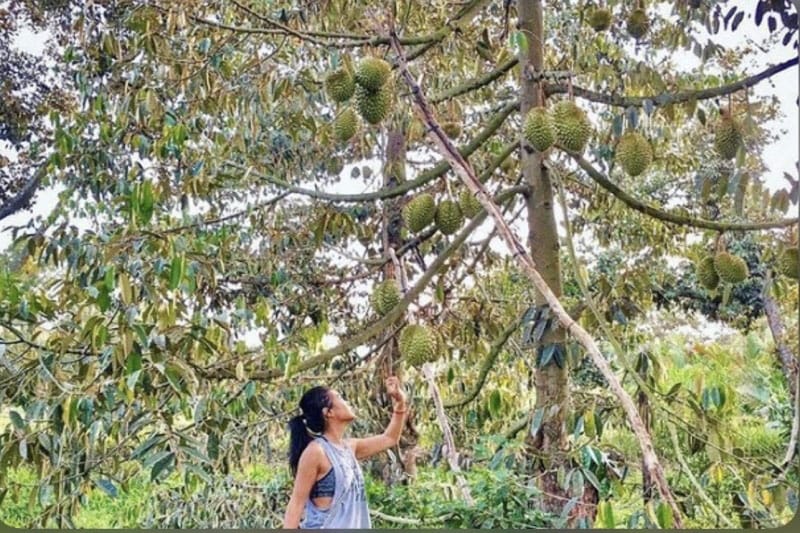
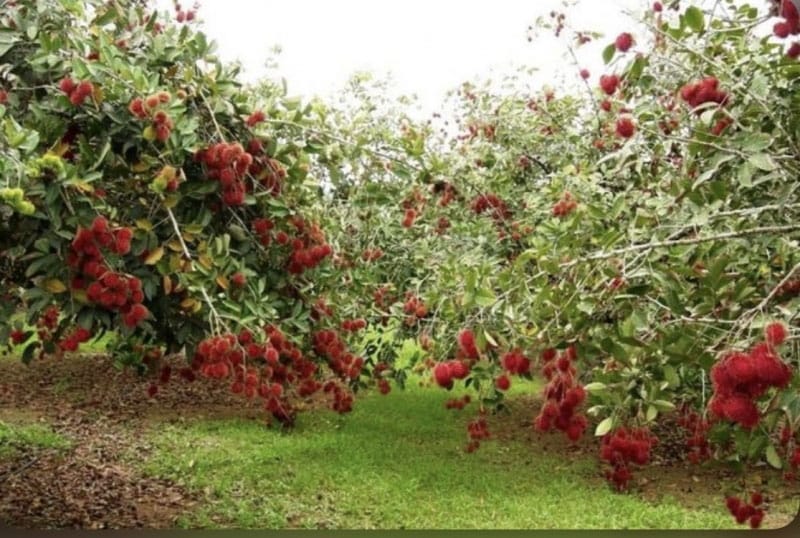
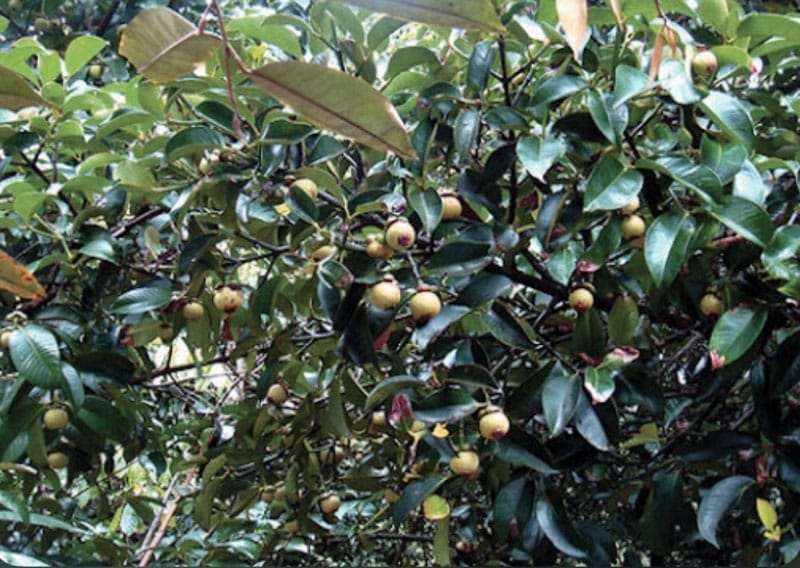
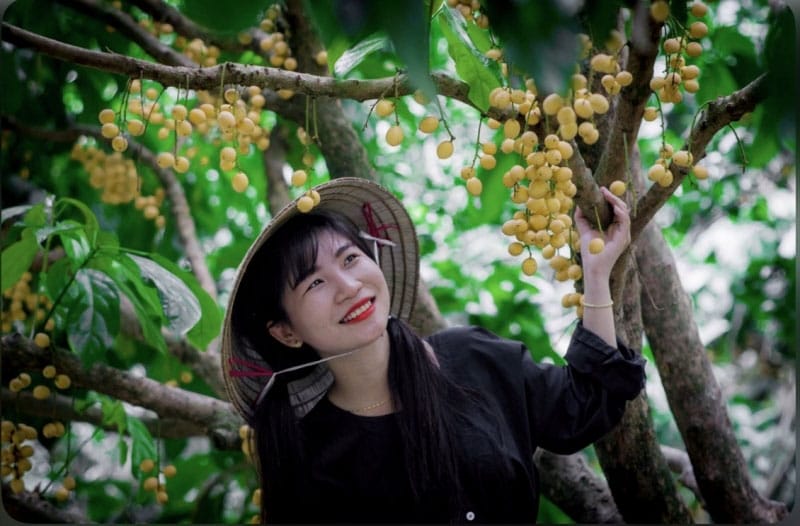
Traveling through these orchard isles—Ben Tre Island, Phoenix Island, Thoi Son Islet, the famed orchards of Cai Be—feels like wandering through the world’s most indulgent pantry. Papayas the color of sunset, pomelos swollen like lanterns, rambutan glowing red like Christmas ornaments, longan in clustered pearls, and durian snarling softly from the shade, daring you to love it.
The Mekong Delta is not just scenery; it is a rhythm. A cadence. A gentle persuasion that unfurls inside you.
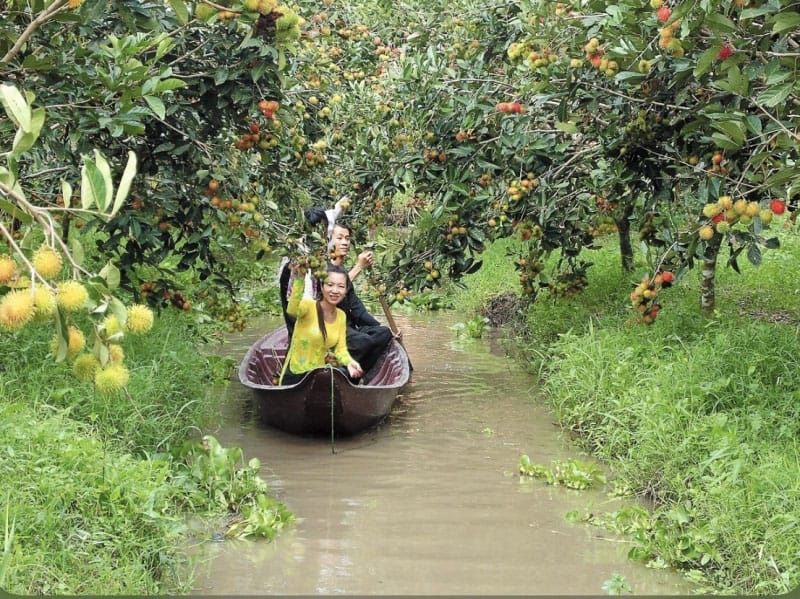
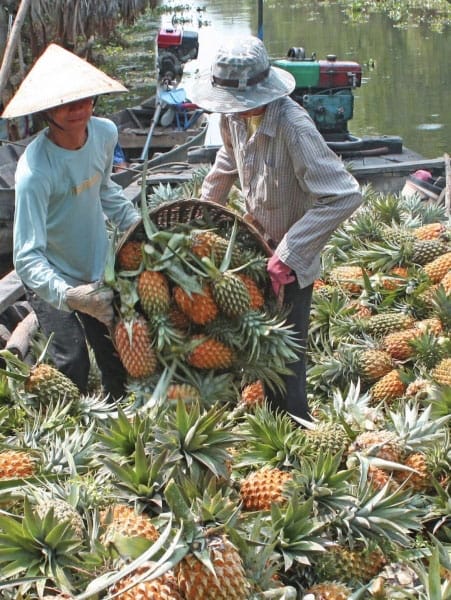
You board a small wooden boat near My Tho, where the river widens into a bronze mirror reflecting clouds that look half-melted. The boatman, usually with a sunhat and a grin that seems sculpted by decades of river wind, nudges the engine and glides you into the softer arteries of the delta. The main river breaks into a network of canals, then the canals break into tributaries, then tributaries into secret paths so narrow you can touch both banks with outstretched arms.
That is when the Mekong begins to speak.
Palm fronds arch overhead, forming a cathedral-like tunnel that swallows the daylight in cool ripples. Coconut scent mingles with the faint perfume of dragonfruit blossoms. You hear the whisper of water slapping the boat’s hull, the echo of distant laughter from local homes on stilts, and occasionally, the caramel smell of something cooking—often coconut candy, a local craft as iconic as the orchards themselves.
Phoenix Island, or Con Phung, is where many travelers first feel the full charm of the orchard culture. Here you wander past coconut workshops where artisans carve utensils, masks, jewelry, and ceremonial décor all from coconut shells—a material they treat with such tenderness that even Bill Bryson would pause mid-wander and mutter a fascinated “Well now, that’s something.” The coconut candy kitchens are hypnotic: thick syrup bubbling like spring lava, women pulling strands of caramel coconut on long wooden paddles, the soft chop-chop-chop of slicing pieces into small blocks wrapped in rice paper. Everything here feels handmade, heartfelt, and surprisingly poetic.
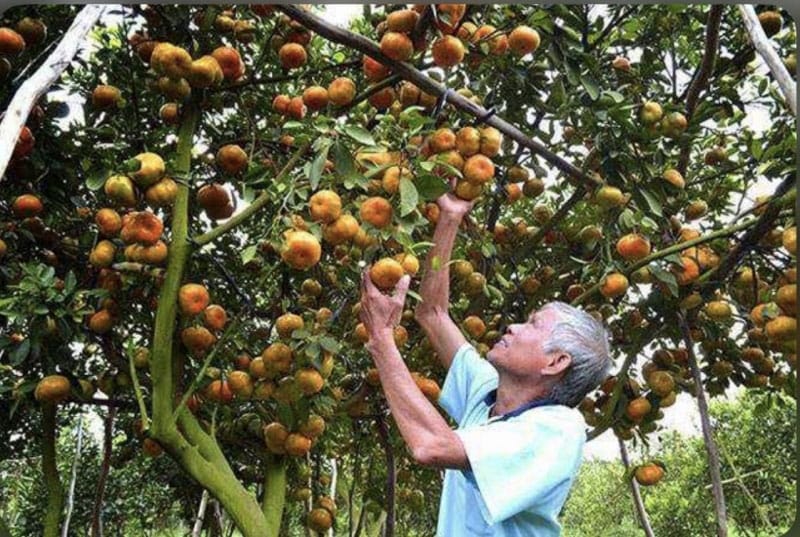
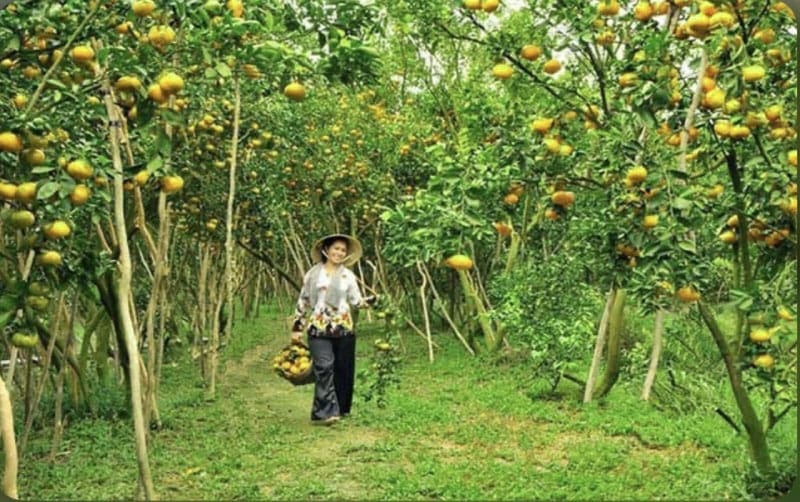
But it is the orchards themselves that ambush your senses. At Vinh Kim Orchard in Tien Giang Province, the air itself seems to taste sweet. Sapodilla trees cluster together in shadows, their fruits so heavy they bow the branches as if in humble greeting. A few steps deeper, you’ll smell star apple—its fragrance drifting like soft music. And then the tangerines, glowing with a golden sheen like they absorbed the sun out of mischief.
Each orchard is different. Each has its own personality shaped by its owner—some allow free wandering, others charge a small entrance fee, and a few require appointments. But all of them share one thing: hospitality so warm and unpretentious that even Pico Iyer, lover of delicate human moments, would struggle to capture it in a single metaphor. You’re offered tea with honey, fresh fruits sliced right from the tree, and often, a seat under a wooden pavilion overlooking a sleepy canal.
Thoi Son Islet, also called Unicorn Island, might be the Delta’s most enchanting citrus-scented passageway. Travelers climb aboard small sampan boats steered by women whose rowing motions look almost balletic. The water is dark and slow-moving, the banks thick with nipa palms and wildflowers that nod shyly as you pass. Somewhere in the distance, traditional “đờn ca tài tử” music spills into the air—soft, melancholic, strangely mesmerizing.
Then there is Cai Be—an orchard town so generous with fruit that it almost feels humorous. Every home seems to have a grove, every grove seems to have a hammock, and every hammock is placed exactly where the breeze is best. Mango here tastes like bottled sunlight. Rambutan tastes like summer vacation. Pomelo is crisp with hints of jasmine. Travelers often leave Cai Be carrying fruit bags so full they look like swollen treasure sacks.
Vinh Long’s An Binh Island adds another layer to the story: the invitation to harvest fruits yourself. Guests pluck gourds, herbs, cucumbers, and melons straight from the soil, tasting them minutes later in home-cooked dishes fragrant with lemongrass, river fish, and coconut water. The act of harvesting your own ingredients brings a kind of inner quiet—the feeling of doing something ancient and uncomplicated.
Then there’s the soft marvel of My Khanh Tourist Village in Can Tho. Part orchard, part cultural museum, part living postcard. Visitors can watch traditional music, try country-style dishes like grilled snakehead fish wrapped in rice paper and herbs, or simply wander through quarters filled with old-fashioned Southern houses. There’s a sense of old Mekong nobility lingering here, a vestige of days when people lived entirely from the river and the soil.
And just when you think the Delta has run out of marvels, Dong Thap Province appears with Lai Vung Tangerine Gardens—a citrus world bursting with deep orange color so vivid it feels unreal. Meanwhile, Ben Tre’s famed Cai Mon Orchard welcomes you with stories of honeybees, ancient fruit trees, and Khmer roots long older than modern maps.
To walk through these places is to feel your inner circuitry reboot. The Mekong Delta doesn’t dazzle with skyscrapers or dazzle with loud spectacle. It doesn’t need to. Its magic is slow, subtle, woven into the breeze and the river and the fruit-heavy branches that tap gently against your shoulders.
It is the kind of destination that untangles the soul.
If you come here with stress, you leave lighter.
If you come with curiosity, you leave fascinated.
If you come with hunger—well, you may never want to leave at all.
Mekong orchards
Mekong Delta travel
Vietnam fruit tours
Ben Tre island,Cai Be orchards,Phoenix Island tour,Thoi Son islet,Vinh Kim gardens,An Binh island,Can Tho riverlife,Delta canal tour,Tropical river escape,Southern Vietnam nature,Fruit tasting tour,Mekong eco travel