The soul of Vietnam does not hide in marble museums or behind velvet ropes. It breathes in its markets. Step through the arched gateways and you enter a living atlas, where fishmongers chant like poets, spices glow like scattered jewels, and the past and present haggle cheerfully over a basket of lychees. To travel Vietnam by its markets is to travel the country in miniature, tasting the north, the center, and the south in a single wandering afternoon. Each of these legendary bazaars also anchors a world of hotels, cafés, and walking streets that transform a simple shopping trip into a deeply textured travel experience.
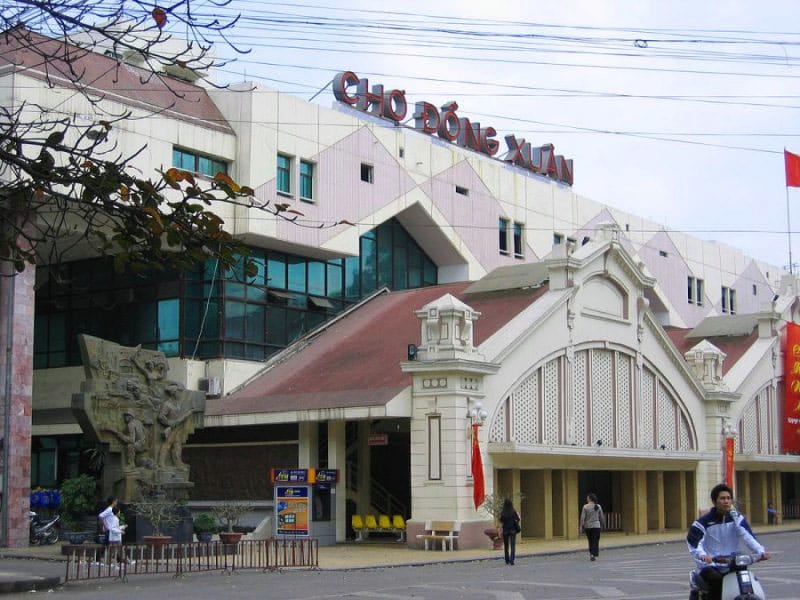
In Hanoi, Dong Xuan Market stands like a great ship moored in the Old Quarter, its broad three level structure sheltering centuries of commerce. Founded in the late nineteenth century, it has survived war, fire, and political storms, yet it still hums with the old mercantile spirit. Inside, bolts of fabric are stacked like rainbow bricks, dried mushrooms release an earthy perfume, and wholesalers move with the brisk choreography of people who have been trading all their lives. Just outside, the Old Quarter unfolds in a maze of narrow streets, where boutique hotels and heritage guesthouses offer rooms with wooden shutters and balconies overlooking the swirl of scooters. Staying here means you wake to the sound of vendors calling out breakfast, and within minutes you are sipping strong Vietnamese coffee before plunging back into the market’s warm, chaotic embrace.
Travel south to Hue and Dong Ba Market waits beside the Perfume River, an elegant counterpoint to the imperial citadel across the water. This is not merely a shopping hub but a culinary archive. Stalls brim with royal recipes turned street food, delicate shrimp cakes, fermented pork, chili sauces that carry the memory of ancient kitchens. Dong Ba’s central clock tower watches over nine long wings of commerce, and every corridor feels like a chapter in a gastronomic novel. Nearby hotels range from classic riverfront properties to intimate boutique inns tucked into quiet lanes, making it easy to wander from your room to the market and back again, pockets full of souvenirs and fingers still tingling from chili heat. To stay in Hue without visiting Dong Ba is like visiting Rome without seeing the Forum.
High in the Central Highlands, Da Lat Market offers a completely different cadence. Here the air is cool, scented with pine and ripe strawberries, and the stalls overflow with produce grown on surrounding hillsides. Artichokes, coffee beans, silk flowers, and candied fruits create a palette that feels almost alpine. Da Lat itself is a city of villas and flower gardens, and the hotels around the market are designed to echo this romantic heritage, with fireplaces, bay windows, and views across misty valleys. Travelers come here not only to shop but to linger, to taste hot soy milk on a chilly evening and watch couples wander past with bags of jam and bouquets of roses. The market becomes a gentle social theater, a place where travel slows to a graceful waltz.
On the coast, Dam Market in Nha Trang rises from the site of an old lagoon, its circular architecture symbolizing both continuity and renewal. This is where the sea hands its treasures to the city. Dried squid hangs like banners, fish sauce glimmers in amber bottles, and baskets of shrimp are still cool from the morning catch. Dam Market is a sensory feast, salty and bright, and just beyond its doors lies a resort city of beachfront hotels, rooftop pools, and spa retreats. After bargaining for seafood or local handicrafts, you can return to a hotel where the ocean stretches endlessly beyond your balcony, turning a day of market exploration into a seamless holiday of sun, flavor, and rest.
Then there is Ben Thanh Market in Ho Chi Minh City, a grand old lady of trade standing proudly at the crossroads of three bustling streets. With its clock tower and broad entrances, it has been the city’s commercial heartbeat for more than a century. Inside, you find everything from silk scarves and lacquerware to tropical fruits and steaming bowls of pho. Ben Thanh is also a cultural salon, where locals and visitors trade stories over iced coffee and vendors remember your face after a single visit. Surrounding the market are some of the finest hotels in southern Vietnam, from historic properties with marble lobbies to sleek modern towers with infinity pools. Staying here places you at the center of the city’s energy, where you can shop in the morning, explore colonial boulevards in the afternoon, and return for a night market dinner under glowing lanterns.
What unites these five markets is not only their commercial importance but their power to define a place. They are the front rooms of their cities, welcoming, noisy, fragrant, and endlessly revealing. For travelers, they offer more than souvenirs. They offer stories. Each conversation with a vendor, each taste of a local snack, each glimpse of daily life adds another layer to the journey. Hotels built around these markets understand this perfectly. They are not isolated resorts but extensions of the street, giving guests a comfortable base from which to dive repeatedly into the living culture just beyond their doors.
A market based tour through Vietnam becomes a kind of pilgrimage. You move from the historic lanes of Hanoi to the imperial kitchens of Hue, from the floral hills of Da Lat to the salty breezes of Nha Trang, and finally to the restless dynamism of Ho Chi Minh City. Along the way, your senses sharpen. You begin to recognize the rhythm of bargaining, the subtle differences in spice, the way light falls through woven baskets in the late afternoon. Travel, in this form, is not passive. It is participatory, intimate, and gloriously unpredictable.
To stand in these markets is to feel the pulse of a nation. They remind you that Vietnam is not just a series of landscapes but a tapestry of human encounters, stitched together by trade, tradition, and an irrepressible love of good food and good company. Once you have wandered their aisles and slept in the hotels that cradle them, the idea of a static holiday seems suddenly dull. These markets do not ask you to observe. They invite you to belong.
Vietnam famous markets, Dong Xuan Market Hanoi, Dong Ba Market Hue, Da Lat Market shopping, Dam Market Nha Trang, Ben Thanh Market tour, Vietnam cultural bazaar, Vietnam street shopping, Vietnam market hotels, Hanoi Old Quarter market, Hue local market, Nha Trang shopping guide, Ho Chi Minh City market, Vietnam food market, Vietnam travel shopping