There are journeys that politely entertain you, and then there are journeys that seize you by the sleeve and say, stay awake, this matters. Europe does that. Not with a single thunderclap, but with a rolling accumulation of moments so precise they lodge in memory like a refrain. You arrive thinking in lists and logistics. You leave thinking in images, flavors, stray sounds echoing down a cobbled street at dusk. I have watched travelers step off trains in Paris or Rome wearing the neutral face of long flights, only to see that expression melt within hours. Europe works fast. It also works deep.
Begin in Istanbul, where Europe and Asia eye each other across the Bosphorus like old rivals who secretly miss one another. The Grand Bazaar is not a market so much as a weather system. Step inside and the air changes. Copper glints. Silk murmurs. Merchants call out with theatrical warmth, offering tea before prices, stories before sales. You wander lanes that feel medieval, emerge blinking into sudden courtyards, and realize you have been smiling for no particular reason. This is shopping as anthropology. Stay nearby in a small boutique hotel in Sultanahmet and you wake to the call to prayer drifting through open windows, breakfast served with honey and olives, the city already alive before you lift your cup.
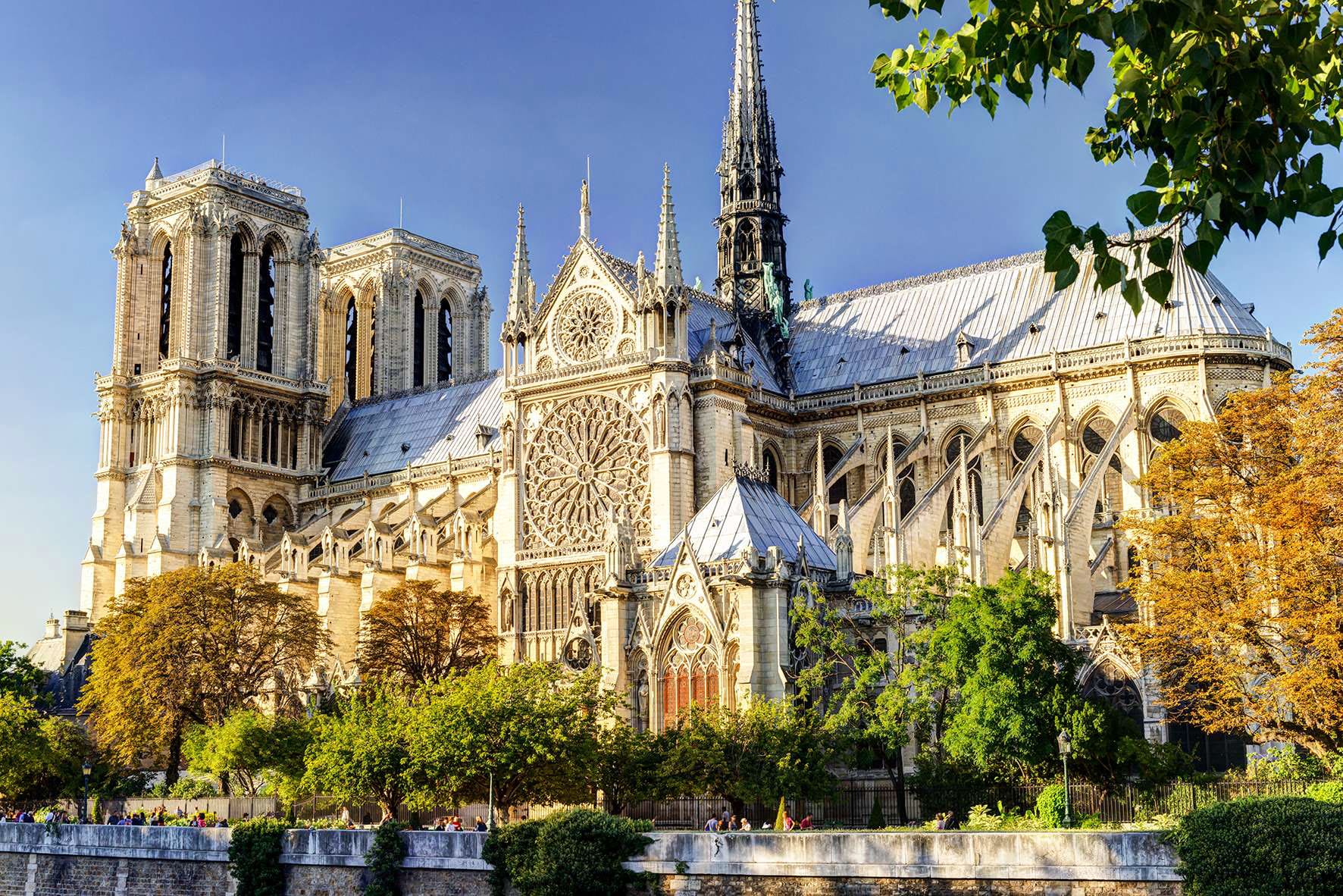
Paris follows, inevitably, because Europe has taught us to expect beauty to announce itself, and Paris does. Notre Dame stands beside the River Seine like a patient witness, its Gothic bones holding centuries of faith, fire, restoration, and resolve. You enter and the temperature drops, the sound softens, the mind quiets. Later, cross the city to the Louvre, where the past is curated with imperial confidence. The Mona Lisa draws her crowd, but linger elsewhere. A fragment of marble. A forgotten canvas. The glass pyramid outside still provokes debate, which seems fitting in a city that thrives on argument. Choose a hotel on the Left Bank and you can walk everywhere, returning at night to linen sheets and tall windows that frame the city like a private painting.
Not far away, Sacre Coeur crowns Montmartre, white and unembarrassed by its own prominence. The climb is rewarded with a view that rearranges your sense of scale. Paris stretches and exhales beneath you. Street musicians play with the seriousness of devotion. Down below, cafes pour wine with the casual generosity of a culture that understands pleasure as a civic duty. This is not spectacle. This is atmosphere, and it seeps in.
Families will pull you toward Disneyland Paris, and you may resist until you go. Then you notice how expertly Europe absorbs even imported myths, refashioning them with local polish. It is efficient, cheerful, oddly touching. Nearby hotels are built for rest, not extravagance, designed to return children to sleep and parents to sanity. Travel is compromise, and Europe is good at making compromises feel intentional.
Italy interrupts you with drama. Vatican City compresses the ambition of the Renaissance into a single overwhelming statement. St Peters Basilica is less a building than an argument for beauty as proof of faith. Marble gleams. Gold catches light. Michelangelo’s dome lifts your eyes whether you want it to or not. You stand there aware of your smallness and strangely comforted by it. Rome continues the lesson at the Colosseum, where stone remembers violence without glorifying it. Walk the underground chambers and you sense the nervous breath of gladiators waiting for the roar above. Hotels here often occupy converted palazzos, where thick walls hush the street and breakfast is served beneath frescoed ceilings. Sleep feels earned.
Paris calls again with the Eiffel Tower, a structure once despised, now adored, its iron lattice rising from the Champ de Mars with unapologetic confidence. Go at dusk. Watch the lights blink on. The city recalibrates around you. It is cliché because it works. Europe is not afraid of that.
Germany offers gravity of a different kind. Cologne Cathedral took more than six centuries to complete, an act of patience that borders on the heroic. Stand beneath its spires and time stretches. Climb the tower and the River Rhine unwinds below like a promise. The city’s hotels are efficient, precise, comfortable without fuss. You sleep well here. Europe understands rest as part of the journey, not an interruption.
Back in France, Lourdes hums with devotion. Pilgrims arrive quietly, some hopeful, some skeptical, all respectful. The Basilica and the Grotto create a space where belief feels intimate rather than performative. Even if faith is not your compass, the sincerity here is disarming. Nearby accommodations are modest, attentive, designed to support reflection rather than distraction.
In southern Italy, San Giovanni Rotondo surprises with modernity. The Padre Pio Pilgrimage Church, designed by Renzo Piano, curves and breathes, glass and stone conversing rather than competing. It proves that sacred architecture did not end centuries ago. Hotels here are functional, welcoming, run by families who understand why visitors come and how long they might need to stay.
Versailles closes the circle with unapologetic excess. The palace declares power in every gilded surface, every perfectly bullied hedge. Walk the gardens and you grasp how landscape itself became a political statement. Stay nearby and arrive early, before the tour buses, when dew still clings to the lawns and the palace seems briefly private.
London anchors the journey with the British Museum, a warehouse of human story. Seven million objects argue, gently and persistently, that civilization is a shared endeavor, messy and magnificent. Nearby hotels range from historic to contemporary, united by a talent for comfort and a respect for the traveler’s need to regroup.
Throughout Europe, accommodation is not an afterthought. Hotels are part of the narrative. A Parisian room with a narrow balcony. A Roman hotel tucked behind a fountain. A Cologne guesthouse overlooking the Rhine. They offer reliable sleep, thoughtful breakfasts, staff who provide directions that turn into conversations. The benefits are tangible. Central locations reduce transit fatigue. Soundproofed rooms protect rest. Concierge advice saves time and mistakes. These are not luxuries. They are enablers of experience.
The climax arrives quietly, often at the end. Perhaps it is standing on a bridge at night, realizing you no longer feel like a visitor. Or tasting something unfamiliar that suddenly feels essential. Or planning, without irony, when you will return. Europe does not shout its appeal. It accumulates it. One market. One cathedral. One museum hall where the light falls just right.
Insider knowledge helps. Visit the Grand Bazaar early before the crowds thicken. Book Vatican tickets in advance and arrive as doors open. In Paris, walk rather than ride whenever possible. In Rome, eat where menus are short and locals linger. Prices vary, but Europe rewards planning. Museum passes save money. Trains are efficient. Meals can be lavish or simple. Sleep is as comfortable as you choose to make it.
This is a tour that does not rush you, yet never wastes a day. Europe is ready. The question is whether you are willing to be changed by it. Go now. The streets are waiting, and they remember everyone who walks them.
Europe travel tour, Europe vacation guide, Paris travel blog, Rome historical tour, Vatican City travel, Istanbul Grand Bazaar, Louvre Museum visit, Eiffel Tower experience, Colosseum Rome tour, Versailles Palace travel, Cologne Cathedral visit, British Museum London, European hotel booking, Europe cultural itinerary, classic Europe journey