
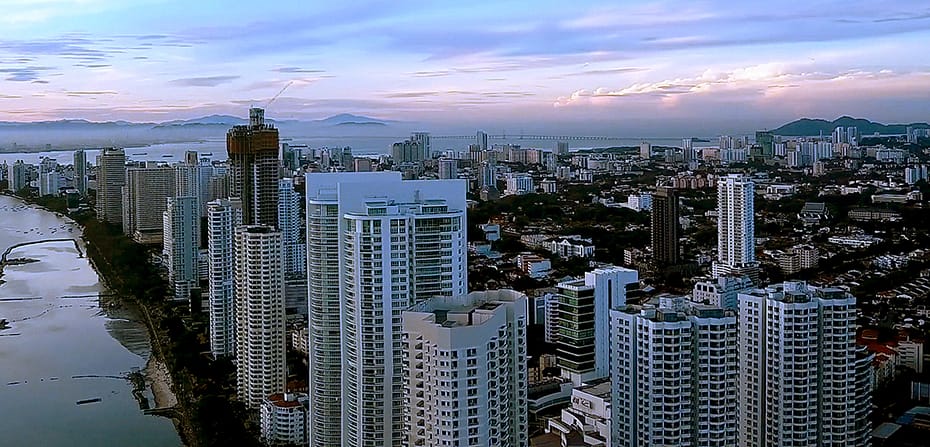
From Penang Street Food to Langkawi Skybridge – The Ultimate Malaysia First Trip
From Penang Street Food to Langkawi Skybridge – The Ultimate Malaysia First Trip
Some countries are easy to describe. Others resist simple definitions.
Malaysia belongs firmly to the second group.
Travelers often say the country feels like a perfect middle ground in Southeast Asia — blending the vibrant energy of Thailand with the clean efficiency of Singapore. Yet Malaysia has its own identity entirely: layered cultures, diverse landscapes, and cities where ancient temples stand quietly beside glass skyscrapers.
It is a place where Chinese heritage meets Malay traditions. Where Indian spices perfume the air beside colonial architecture. Where tropical islands sit just a short flight away from one of Southeast Asia’s most dynamic capitals.
For travelers arriving in Malaysia for the first time, the country offers dozens of possible routes. But if you want to understand its character quickly — its food, its culture, its nature, and its modern ambition — three destinations stand above the rest:
Penang
Langkawi
Kuala Lumpur
Together they tell the story of Malaysia better than any single city or island ever could.
Penang – Malaysia’s Cultural and Culinary Capital
If Malaysia had a flavor, it would probably taste like Penang.
This island off the country’s northwest coast is famous for its extraordinary food culture. Travelers often arrive planning to explore historical sites, but quickly realize their itinerary has become something else entirely: a food pilgrimage.
At the center of it all lies George Town, a UNESCO World Heritage city whose streets feel like an open-air museum of Southeast Asian history.
Colonial British mansions sit beside Chinese shop houses. Mosques, temples, and churches share the same neighborhoods. Colorful street art appears unexpectedly around corners.
But the real magic of George Town is found at street level.
The Street Food That Defines Penang
Spending just one day exploring George Town inevitably turns into a culinary adventure.
The city is packed with small stalls and local eateries serving some of Malaysia’s most beloved dishes.
Three stand out immediately:
Nasi Lemak – fragrant rice cooked in coconut milk, served with anchovies, peanuts, egg, and spicy sambal.
Laksa – a rich noodle soup combining sour, spicy, and aromatic flavors.
Char Kway Teow – stir-fried flat rice noodles with shrimp, egg, and bean sprouts, cooked over high heat.
These dishes appear everywhere — from street carts to casual restaurants.
For travelers curious about Malaysian cooking itself, one fascinating stop is Nazlina Spice Station. Here visitors can join cooking classes lasting several hours, learning how traditional Malaysian flavors come together.
It’s not just a meal. It’s an introduction to the country’s culinary identity.
Walking Through George Town’s Living History
George Town rewards travelers who explore slowly.
Walking through its historic streets reveals layers of architecture from different eras and cultures. British colonial buildings stand alongside Malay houses and shophouses influenced by Thai and Indonesian design.
Among the most notable landmarks:
• Kapitan Keling Mosque
• Armenian Street, famous for its murals and old trading houses
• Little India, where music and spices fill the air
• Fort Cornwallis
Together they create a fascinating mosaic of cultures that have shaped Penang for centuries.
Penang Hill – The Island from Above
When the tropical heat rises, locals and visitors often escape to Penang Hill.
Rising 823 meters above sea level, the hill offers sweeping views of the island and the sea beyond.
A funicular train carries visitors toward the summit, climbing through lush rainforest. At the top the air feels cooler, fresher — almost surprisingly so for a tropical country.
On clear days the panorama stretches across the island, revealing just how beautiful Penang truly is.
Temples and the Cultural Legacy of Penang
Penang is also home to some of Malaysia’s most impressive temples.
The most famous is Kek Lok Si Temple, widely considered the largest and most spectacular Buddhist temple complex in the country.
Nearby stands Wat Chayamangkalaram, a Thai temple known for its enormous reclining Buddha statue.
Another unique site is the Dhammikarama Burmese Temple, reflecting the cultural connections between Malaysia and Myanmar.
Together they illustrate the remarkable religious diversity that defines Malaysia.
The Peranakan Cultural Heritage
One of Penang’s most distinctive communities is the Peranakan people — descendants of Chinese traders who settled in Southeast Asia centuries ago.
Their culture blends Chinese heritage with local Malay traditions, creating a unique identity expressed through architecture, cuisine, and art.
Travelers can learn about this fascinating history at the Pinang Peranakan Mansion, a restored 19th-century residence once owned by a powerful community leader.
Nearby stands the iconic Cheong Fatt Tze Mansion, also known as the Blue Mansion — a striking indigo-colored building built by a wealthy Chinese merchant in the 1880s.
Today it serves as both a heritage attraction and boutique hotel.
Langkawi – Malaysia’s Island Paradise
After the cultural richness of Penang, the island archipelago of Langkawi offers something completely different.
Where Penang is energetic and urban, Langkawi is peaceful and expansive.
Visitors rarely come here searching for nightlife or crowded beach parties. Instead, they come for something quieter: turquoise water, soft beaches, and the feeling of being surrounded by nature.
In 2007, UNESCO designated Langkawi as a Global Geopark — recognizing its geological significance and environmental beauty.
This status reflects the island’s remarkable landscapes: ancient rock formations, rainforest-covered mountains, and hidden coastal bays.
The Langkawi Cable Car and SkyBridge
One of the most unforgettable experiences in Langkawi is the journey up Gunung Machinchang.
A cable car stretches roughly 2.2 kilometers up the mountain, climbing to an elevation of 708 meters above sea level.
From the summit, visitors can step onto the spectacular Langkawi Sky Bridge.
This curved pedestrian bridge hangs dramatically above the jungle valley below, more than 100 meters above the ground.
Walking across it feels slightly surreal. The rainforest spreads endlessly beneath your feet while distant islands appear across the Andaman Sea.
It is one of the most breathtaking viewpoints in Southeast Asia.
Kuala Lumpur – Malaysia’s Dynamic Capital
No journey through Malaysia feels complete without experiencing Kuala Lumpur.
The city is often underestimated by travelers who treat it as merely a stopover before heading to beaches or islands.
That assumption quickly proves wrong.
Kuala Lumpur is one of Southeast Asia’s most compelling cities — a place where tradition and modernity intersect constantly.
Ancient temples stand near futuristic skyscrapers. Bustling night markets operate beside luxury shopping malls.
And the city never seems to sleep.
The Petronas Twin Towers
The most recognizable landmark in Kuala Lumpur is the Petronas Twin Towers.
Rising 452 meters into the sky, the towers once held the title of the tallest buildings in the world and remain the tallest twin towers ever constructed.
Their design blends Islamic geometric patterns with modern engineering, reflecting Malaysia’s cultural identity.
Visitors can cross the famous Skybridge connecting the towers on the 41st and 42nd floors.
Because daily visitor numbers are limited, arriving early greatly increases your chances of securing a ticket.
Shopping in Kuala Lumpur
For shopping enthusiasts, Kuala Lumpur is paradise.
The city is packed with massive shopping centers and bustling markets offering everything from luxury fashion to everyday bargains.
One of the most famous retail complexes is Suria KLCC, located directly beneath the Petronas Towers.
Here visitors can browse international brands, dine in stylish restaurants, or simply enjoy the modern architecture surrounding the KLCC park.
The Islamic Arts Museum
For travelers interested in culture and art, the Islamic Arts Museum Malaysia is a must-visit destination.
The museum houses remarkable collections ranging from intricate jewelry to detailed architectural models of famous mosques — including a miniature version of Masjid al Haram.
Outside the museum, a peaceful garden with reflective pools provides a welcome contrast to the fast pace of the city.
It’s the perfect place to pause and appreciate the artistic traditions that shape Malaysia’s cultural landscape.
Why These Three Destinations Define Malaysia
Malaysia is a country of contrasts.
Penang introduces travelers to its culinary richness and multicultural heritage.
Langkawi reveals its natural beauty and tranquil island life.
Kuala Lumpur demonstrates the country’s ambition, modernity, and urban energy.
Together they create a journey that captures Malaysia’s essence.
From street food stalls to rainforest mountains, from colonial architecture to glittering skyscrapers, these three destinations reveal why Malaysia continues to surprise travelers from around the world.
And once you’ve experienced them all, one thing becomes clear.
Malaysia is not just a stop on the Southeast Asian travel map.
It is a destination worth exploring deeply.
The Perfect Malaysia Route – Discover Penang Langkawi and Kuala Lumpur.
Malaysia travel guide, Penang street food, George Town heritage, Langkawi Sky Bridge, Kuala Lumpur travel, Petronas Twin Towers, Penang Hill view, Langkawi cable car, Malaysia geopark Langkawi, KLCC shopping mall, Islamic Arts Museum, Penang temples, Langkawi island travel, Kuala Lumpur skyline, Malaysia cultural travel
