Phu Quoc does not announce itself politely. It seduces. Slowly at first. Then all at once. The air is salt heavy. The light feels warmer, thicker, as if it lingers on your skin with intention. This is Vietnam’s island of contradictions, untamed yet indulgent, contemplative yet playful, where a morning can smell of forest leaves and an evening tastes unmistakably of the sea.
Arriving in Phu Quoc feels like stepping sideways out of time. Flights descend over a scatter of emerald hills and a coastline that seems too long, too pale, too perfect to be real. Yet it is. And it waits.
Northern Phu Quoc, Where the Island Breathes
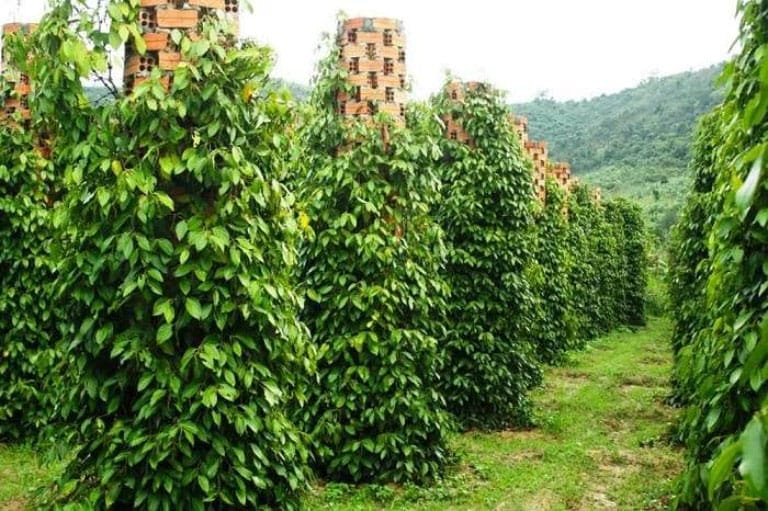
Begin in the north, where the island still speaks in a low voice. Pepper farms appear first, modest yet fragrant. Phu Quoc pepper is legendary, sharper, more aromatic than its mainland cousins. Walk between green trellises heavy with climbing vines. The farmers greet you easily, hands weathered, smiles unforced. They offer dried peppercorns to taste, small explosions of heat and perfume. This is not a staged experience. It is agricultural intimacy, and it lingers.
Nearby stands Nguyen Trung Truc Temple, a place of reverence rather than spectacle. Built to honor a national hero, it draws locals in quiet devotion. Visit during the annual memorial and you will feel the collective pulse of remembrance. On ordinary days, the temple sits calmly, incense curling into the trees, history resting comfortably beside faith.
Continue toward Ganh Dau Cape, a blunt finger of land reaching into the sea. From here, Cambodia hovers faintly on the horizon. The beach curves gently, five hundred meters of pale sand embraced by shallow water. Seafood restaurants line the shore, unfussy and generous. Lunch tastes better with bare feet and salt on your skin.
Dinh Cau, Where Sunsets Become Ritual
In Duong Dong, the island’s main town, Dinh Cau stands as both shrine and spectacle. A rocky outcrop rises from the sea, crowned by an old temple shaded by a century old tree. Steps lead upward. Waves break below. Fishermen pass with the day’s catch.
Come at sunset. Everyone does. The sky ignites into improbable shades, amber dissolving into violet, light scattering across water and stone. It feels communal, almost ceremonial. Conversations soften. Cameras lower. For a few minutes, Phu Quoc seems to breathe as one.
Offshore Dreams, Hon Thom and the Southern Archipelago
From the harbor, boats slip toward Hon Thom and its neighboring islets. The water shifts color constantly, turquoise, jade, sapphire. Coral gardens shimmer below the surface. Snorkeling here feels like entering another register of life, quieter, slower, astonishingly vivid.
Floating fish farms appear, wooden platforms tethered to the sea. Pearl cultivation sites reveal another layer of the island’s economy, patience distilled into lustrous spheres. Nearby, squid fishing villages operate with practiced choreography. Night fishing tours offer a rare thrill, lanterns glowing against black water as lines dip and rise.
Streams and Stone, The Island’s Hidden Spine
Phu Quoc is not only beaches. It is also water moving through rock and forest. Tranh Stream winds gently through the Ham Ninh range, active during the rainy months, when water braids itself over stone. Picnics here feel earned. Shoes come off. Time slips.
Further north lies Da Ban Stream, named for its broad, flat stones layered like ancient tables. Legends speak of celestial visitors bathing here. Whether believed or not, the place carries a peculiar calm.
For the adventurous, Da Ngon Stream awaits. Seven cascades tumble through dense jungle, wild and muscular. This is not casual sightseeing. The rocks are slick, the paths demanding. Visit in the dry season. Respect the terrain. The reward is profound isolation and the sound of water unfiltered by human presence.
Long Beaches and Pale Sands
Bai Dai unfurls along the northwest coast, once named among the world’s most pristine beaches. Casuarina trees line the shore, standing like sentinels. The sand stretches uninterrupted. Development remains measured. It is a place to walk, to swim, to do nothing very well.
In the south, Bai Sao offers a different poetry. The sand here is powder soft, startlingly white, curving like a crescent moon. Go early. By midday, the secret is shared. Hammocks fill. Laughter rises. The sea remains calm, obliging, endlessly photogenic.
Ham Ninh Fishing Village, Where Time Hesitates
On the eastern shore, Ham Ninh fishing village feels suspended between centuries. Stilt houses lean over the water. Nets dry in the sun. Mornings reveal delicate sunrises. Evenings glow under full moons.
Here, blue crab is a rite of passage. Freshly boiled, cracked open, dipped in salt pepper lime. It is sweet, firm, unforgettable. To eat it here is to understand why travel should always involve appetite.
Memory and Meaning, Coconut Prison
In the far south lies Coconut Prison, a sobering counterpoint to the island’s beauty. This historical site preserves stark evidence of wartime brutality. It is not comfortable. It should not be. Walking through the exhibits reshapes your understanding of resilience and sacrifice. The visit lingers long after you leave.
Bai Khem and Bai Truong, The Island’s Changing Face
Bai Khem is intimate, known for its talcum fine sand and humble seafood stalls. Grilled fish, herring salad, sea snails prepared without fuss. Pearl farms nearby add quiet intrigue.
Bai Truong stretches near the airport, endlessly accessible, endlessly changeable. From October to April, the sea lies smooth as glass. Sunsets here are theatrical, sky and water trading colors with deliberate extravagance.
Sunset Sanato Beach Club stands along this shore, an artistic playground of sculptural installations and wide horizons. Music drifts. People gather. Events pulse through the calendar. It is modern Phu Quoc in full voice.
Where to Sleep and How to Stay
Accommodation on Phu Quoc spans barefoot bungalows to polished resorts. Northern retreats offer seclusion and jungle backed tranquility. Duong Dong provides convenience and energy. The south caters to beach lovers and sunset chasers. Prices range generously. Street meals cost little. Seafood feasts remain fair. Transport is simple by taxi or rented scooter.
The island rewards unhurried exploration. Book a few nights more than planned. Phu Quoc has a way of persuading you to stay.
The Call to Go
Phu Quoc does not beg for attention. It waits. Patient. Certain. Once you arrive, it changes you quietly. You will leave with sand in your shoes, pepper in your bag, salt in your hair, and a persistent thought following you home.
You will want to return.
Phu Quoc travel guide, Phu Quoc island tour, best places to visit Phu Quoc, Phu Quoc beaches travel, Phu Quoc itinerary, northern Phu Quoc attractions, southern Phu Quoc tour, Phu Quoc sunset spots, Phu Quoc snorkeling islands, Phu Quoc food travel, Phu Quoc fishing village, Phu Quoc resort travel, Phu Quoc honeymoon destination, Phu Quoc Vietnam tourism, Phu Quoc island experience