
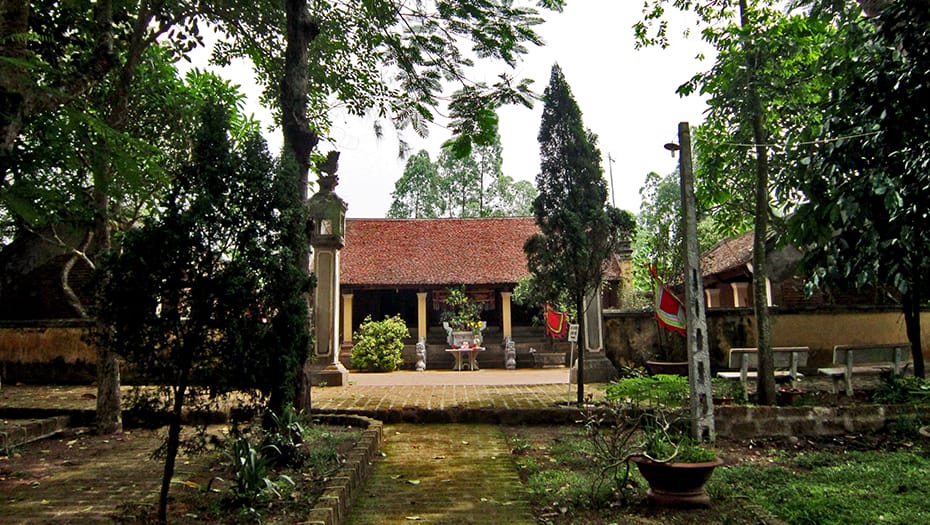
Cycling from Hanoi to Duong Lam Ancient Village – A One-Day Route Through Vietnam’s Oldest Rural Architecture
Cycling from Hanoi to Duong Lam Ancient Village
A One-Day Route Through Vietnam’s Oldest Rural Architecture
Some journeys are defined not by distance but by the gradual shift of atmosphere. Fifty kilometers outside the restless pulse of Hanoi, the road begins to loosen its grip on urban life. Buildings grow shorter. Air grows quieter. Rice fields appear like long green carpets stretching toward the horizon.
This is the route to Duong Lam Ancient Village, a village that still preserves the architectural grammar of northern Vietnam’s rural past. The best way to reach it is not by car or tour bus, but by bicycle — slow enough to notice every change in landscape.
For a weekend traveler, the ride becomes something more than sightseeing. It becomes a study in cultural continuity: how architecture, food, and daily routines survive within the expanding shadow of a capital city.
Quick Summary Table – Travel Planning Overview
| Category | Details |
|---|---|
| Destination | Duong Lam Ancient Village |
| Distance from Hanoi | ~50 km |
| Best Transport | Bicycle day trip |
| Starting Point | Thuong Mai University area |
| Main Route | National Highway 32 → Son Tay → Duong Lam |
| Travel Time by Bike | About 2–3 hours depending on pace |
| Architectural Style | Laterite stone houses, traditional northern village layout |
| Key Cultural Stops | Mong Phu communal house, Phung Hung Temple, Ngo Quyen Tomb, Mia Pagoda |
| Food Highlights | Boiled Mia chicken, water spinach with fermented soy sauce, braised pork, crab soup with jute leaves |
| Local Specialties | Mong Phu soy sauce, che lam sweets, peanut candy |
From Traveler to Planner – Designing the Route
Many travel stories begin when the journey starts. A planner begins earlier — with the question: What makes the route worthwhile?
For this trip, the answer is balance.
Start early. A 6:00 AM departure from the area around Thuong Mai University keeps the ride ahead of heavy traffic. Early morning also reveals the most photogenic version of the countryside — mist hovering above rice fields, farmers already at work.
The first segment follows National Highway 32, a route that has improved significantly in recent years. Smooth pavement and open stretches make it manageable even for casual cyclists.
But the real transformation occurs outside the city.
The concrete landscape of Hanoi dissolves into farmland — rice fields, corn fields, and clusters of village houses scattered between irrigation canals. Cyclists often push hard during the first kilometers, eager to escape the dense air of the city.
Then the rhythm slows.
The road becomes less about reaching the destination and more about noticing the countryside.
Son Tay – Where the Ride Pauses for Breakfast
After roughly an hour of cycling, the route arrives at Son Tay, a small town that historically served as a gateway between Hanoi and the western countryside.
By late morning the roadside food stalls are already busy preparing breakfast.
For cyclists, this stop matters.
A local rider usually knows the best place — a modest shop serving bun noodles and banh cuon cha (steamed rice rolls with grilled pork). The meal is simple but satisfying, especially after an hour on the saddle.
Most travelers add one more local specialty: Phu Nhi banh te, a soft rice cake from the nearby village of Phu Nhi. It is fragrant, slightly fatty, and ideal cycling fuel.
A long breakfast stop — about an hour — gives riders time to recover before the final stretch.
The Last Kilometers to Duong Lam
From Son Tay, the route turns toward the road leading to Trung Ha. The remaining distance to Duong Lam is short — roughly 4–5 kilometers.
But it is also the most scenic.
Rice fields extend to the horizon on both sides of the road. The village gate slowly appears ahead, framed by fields and old trees.
The entrance feels unmistakably northern Vietnamese:
A large banyan tree.
A small village well.
A brick gate marking the threshold between outside and inside.
At a small tea stall beneath the banyan tree, travelers often pause for fresh green tea, peanut candy, and conversation with locals. It is also where the first photographs begin.
Inside the Village – Architecture of Stone and Time
Beyond the gate, the roads narrow.
Brick paths replace asphalt.
Stone walls rise along the sides of quiet lanes.
Many houses in Duong Lam share an unusual architectural feature: they face inward, turning their backs to the road. Thick laterite stone walls and moss-covered tile roofs give the houses a slightly mysterious appearance.
According to local residents, the village still preserves about 45 traditional houses built from wood and laterite stone, many of them several hundred years old.
Two of the most visited homes belong to local families known for welcoming visitors — the house of Mr. Huyen and the house of Mr. Hung.
Inside these homes, architecture becomes storytelling.
Wooden beams darkened by time.
Courtyards open to the sky.
Large ceramic jars filled with fermenting soy sauce.
Duong Lam’s residents are farmers, but many families also produce traditional soy sauce — a craft that fills courtyards with rows of sun-fermenting jars.
The smell of soybeans and salt lingers in the air, blending agriculture with architecture.
Lunch Inside a Village Courtyard
Around midday, visitors often return to one of the houses — usually the home of Mr. Hung, who hosts small lunch groups in a modest dining space behind the courtyard.
The dining area is limited, so reservations are common during busy weekends. Small groups sometimes get lucky if the day is quiet.
The meal reflects the agricultural identity of Duong Lam.
Typical dishes include:
-
Boiled Mia chicken
-
Water spinach dipped in fermented soy sauce
-
Braised pork
-
Crab soup with jute leaves and sponge gourd
-
Pickled eggplant
Dessert returns to village specialties: banh te, che lam, and fresh green tea.
Nothing about the meal is elaborate. Yet many visitors find themselves eating far more than expected.
Perhaps hunger helps.
Perhaps the quiet of the courtyard changes the appetite.
Historical Landmarks Around the Village
Duong Lam is not only about houses. It is also tied closely to Vietnam’s early history.
Several cultural landmarks lie within walking or cycling distance:
Mong Phu Communal House
The Mong Phu Communal House is the village’s central gathering place and a classic example of northern rural communal architecture.
Phung Hung Temple
The Phung Hung Temple honors a national hero who led resistance movements in the 8th century.
Ngo Quyen Tomb
Nearby stands the Ngo Quyen Tomb, overlooking wide rice fields — a reminder of the general who defeated foreign forces at the Battle of Bach Dang.
Mia Pagoda
The tranquil Mia Pagoda contains statues made from bronze, wood, and clay, offering a quiet spiritual pause during the visit.
Each site is connected by small rural roads — perfect for short bicycle rides between stops.
Things the Media Doesn’t Tell You
Travel articles often romanticize ancient villages, but planners should know the practical realities.
1. Space inside the village is limited.
Many homes that welcome visitors are family residences first. Large groups can overwhelm the small courtyards.
2. Lunch must sometimes be arranged in advance.
Without booking, travelers may struggle to find space during busy weekends.
3. The village is not a museum.
People still live here — farming, cooking, repairing houses. Respectful behavior matters.
4. The ride back to Hanoi requires planning.
Leaving around 4:00 PM allows cyclists to return before the evening traffic intensifies.
Understanding these details transforms the trip from a casual excursion into a well-structured cultural experience.
Community Voices
Local conversations often add the most honest perspective.
A tea-shop owner near the village gate once explained:
“Visitors come for the old houses. But the houses only survive because families still live inside them.”
A young cyclist from Hanoi shared another observation:
“The road here is easy. The difficult part is leaving — you always want to stay longer.”
The Return Ride
By late afternoon, the fields glow with softer light. Cyclists begin the return journey to Hanoi, usually carrying small bags filled with village specialties:
-
Mong Phu soy sauce
-
Che lam sweets
-
Peanut candy
The ride back feels different.
The same road, the same distance — yet somehow quieter.
Perhaps that is the strange effect of places like Duong Lam: they remind travelers that history does not always live in monuments. Sometimes it survives in kitchens, courtyards, and village gates — waiting at the end of a bicycle road.
Hanoi Weekend Cycling Route – From National Highway 32 to Duong Lam Ancient Village.
Duong Lam ancient village, Hanoi cycling trip, Son Tay countryside, Vietnam village architecture, Duong Lam houses, laterite stone village, Hanoi day cycling, Mong Phu communal house, Mia pagoda Vietnam, Ngo Quyen tomb, Phung Hung temple, Vietnam rural culture, Hanoi weekend cycling, Duong Lam food, northern Vietnam villages
