
Luang Prabang Travel Planner – Night Markets, Mekong River Boats, and Temple Architecture in Laos
Luang Prabang Travel Planner
Night Markets, Mekong River Boats, and Temple Architecture in Laos
Travel often begins with motion. Planes, buses, or boats carry us across landscapes quickly. But certain destinations work differently. They reveal themselves slowly, one street corner at a time.
The former royal capital of Luang Prabang is one of those places.
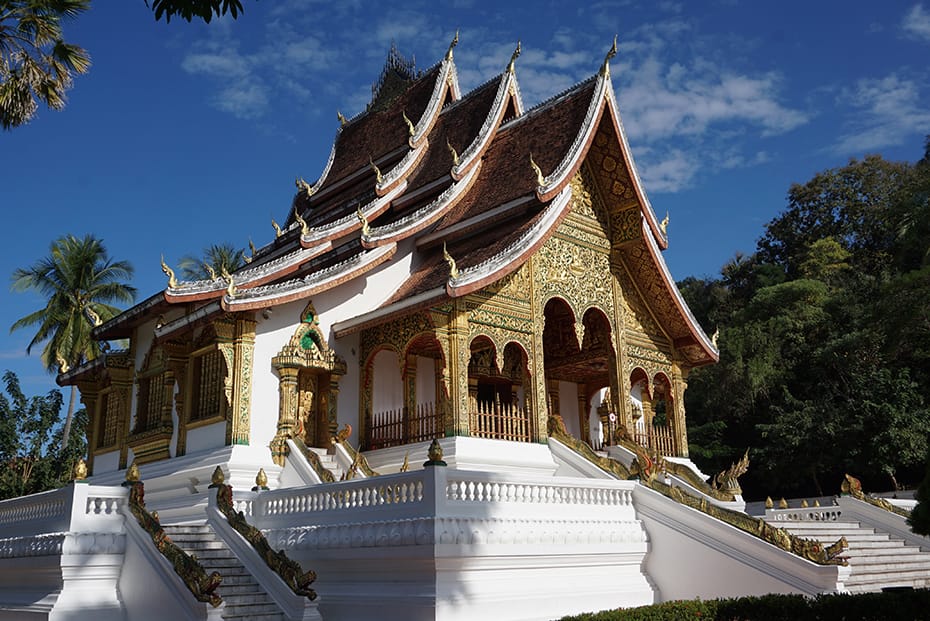
Surrounded by mountains and resting beside the wide flow of the Mekong River, the town moves at a deliberate pace. Architecture leans gently toward the riverbanks. Temple roofs fold downward like wings. Evening markets glow beneath rows of lanterns.
Travelers often describe Luang Prabang as peaceful. A planner sees something more complex — a city shaped by history, religion, trade, and craft traditions that still influence everyday life.
Understanding this layered rhythm helps transform a simple visit into a carefully designed cultural itinerary.
Quick Summary Table – Travel Planning Overview
| Category | Details |
|---|---|
| Destination | Luang Prabang |
| Country | Laos |
| Landscape | Mountain valley beside the Mekong River |
| Cultural Highlights | Temples, artisan markets, river villages |
| Key Landmark | Mount Phousi |
| Main Market Area | Sisavangvong Road Night Market |
| Important Temple | Wat Xieng Thong |
| River Excursion | Pak Ou Caves |
| Craft Villages | Ban Xang Khong (paper village), Ban Cha (pottery village) |
| Signature Experience | Mekong boat journey and night market exploration |
From Traveler to Planner – Designing a Cultural Route
Many travelers arrive in Luang Prabang expecting a picturesque town.
But planning a meaningful visit requires understanding its structure.
The historic center unfolds along Sisavangvong Road, the town’s central artery. During the day it functions like a normal street. In the evening, it transforms into a glowing night market lined with stalls selling handmade textiles, carvings, silver jewelry, and woven crafts.
Local artisans — often families from surrounding villages — arrange their goods carefully along the pavement. Handwoven fabrics from minority communities sit beside carved wooden statues and traditional silverwork.
The market is not only a shopping street. It is a daily gathering point where culture, craft, and tourism intersect.
One traveler once described the atmosphere simply:
“The lights come on, the road closes to traffic, and suddenly the entire town feels like a festival.”
Mount Phousi – The Hill at the Center of Town
In the middle of Luang Prabang rises Mount Phousi, a steep hill that appears visible from nearly every street in town.
The climb to the summit requires navigating more than 300 steps along a winding staircase. The path moves through shaded forest sections and small shrines.
The ascent is not particularly long, but it creates a sense of progression.
Step by step, the town slowly spreads outward below. Temple roofs appear first, then the curve of the Mekong River, and finally the distant mountains that surround the valley.
At the summit, travelers pause for photographs, but planners recognize something more practical: the hill serves as a geographic reference point.
Once you climb Mount Phousi, navigating the town becomes much easier.
The Artisan Side of Luang Prabang
Beyond temples and markets, the city has developed a reputation as a center for handmade craft traditions.
One interesting stop is Caruso Lao Home Craft.
The shop resembles an art gallery more than a retail store. Its founder, Sandra Yuck, spent years sourcing exceptional works created by local sculptors, woodturners, silversmiths, and textile artisans.
Objects displayed here often blur the line between craft and fine art.
Another space worth visiting is Fibre2Fabric Gallery. Unlike traditional commercial shops, this gallery operates as a nonprofit initiative that supports textiles created by ethnic minority communities.
Each piece tells a story of weaving traditions passed through generations.
For travelers interested in cultural sustainability, these galleries offer a deeper perspective on Laos’ craft economy.
Lao Cuisine – Simplicity with Regional Identity
Laos is a landlocked country, and its cuisine reflects that geography.
Without a coastline, seafood plays a smaller role compared to neighboring Thailand or Vietnam. Instead, meals rely heavily on freshwater fish, herbs, vegetables, and locally raised livestock.
One well-known restaurant is Tamarind Restaurant.
Here visitors can taste grilled freshwater fish served with locally grown herbs such as basil, coriander, and mint.
Another popular dining location is 3 Nagas Restaurant. The menu changes frequently depending on what local farmers and fishermen supply each day — buffalo meat, Mekong fish, and seasonal vegetables.
For travelers craving a more international café atmosphere, JoMa Bakery Cafe serves freshly baked pastries alongside strong Lao coffee.
The café has become a morning ritual for many visitors beginning their exploration of the city.
Wat Xieng Thong – One of Laos’ Most Important Temples
Among the many religious structures in Luang Prabang, Wat Xieng Thong stands as one of the most significant.
Built in 1560, the temple complex reflects classical Lao architectural design.
The roofline sweeps low and wide, almost touching the ground. Inside, rows of Buddha statues carved from wood, bronze, and other materials fill the halls.
Each sculpture demonstrates intricate craftsmanship — delicate hands, serene expressions, and ornate decorations.
Visitors often spend longer here than expected. The temple invites observation rather than quick sightseeing.
A Mekong River Journey
No visit to Luang Prabang feels complete without a boat ride along the Mekong.
Long wooden boats depart from the riverbanks, carrying visitors past limestone cliffs, terraced fields, and fishing villages.
One of the most famous stops along the river is Pak Ou Caves.
Inside these caves are hundreds of Buddha statues placed over centuries by pilgrims. Some are small wooden figures. Others are larger sculptures carefully positioned along cave walls.
The atmosphere feels both sacred and mysterious.
Riverside Villages Along the Mekong
Many Mekong boat journeys include visits to nearby craft villages.
One example is Ban Xang Khong, known for producing traditional sa paper made from mulberry bark.
Visitors often watch artisans pressing pulp into thin sheets that dry under the sun.
Another stop is Ban Cha Village, a pottery village where nearly 65 households are involved in ceramic production.
Village visits sometimes reveal everyday life — celebrations, family gatherings, and small community events.
During one visit, travelers encountered a welcoming celebration for a newborn child — a reminder that these villages are living communities rather than staged tourist attractions.
Kuang Si Waterfall – A Natural Detour
About 22 miles from Luang Prabang lies Kuang Si Waterfall.
The waterfall cascades through layers of turquoise pools surrounded by forest. Visitors often walk along wooden paths that connect several viewing platforms.
Some locals fish quietly in the pools near the base of the falls.
The atmosphere feels relaxed rather than dramatic — a place where the rhythm of water defines the experience.
Evening Retreat Outside the City
A few miles beyond the historic center stands La Residence Phou Vao.
The property sits on a hillside roughly five miles from town. Its gardens include a lotus-filled pond, spa facilities, and wide views toward distant golden temple spires.
Evenings here often revolve around quiet dinners beside the swimming pool while watching the mountains change color at sunset.
For travelers who prefer calm after a day of exploration, the location offers distance without isolation.
Things the Media Doesn’t Tell You
Travel media often frames Luang Prabang as a perfectly preserved historic town. The reality is more nuanced.
First: the town balances tourism with local life. Many streets become crowded during peak travel seasons, especially near the night market.
Second: distances between attractions can be larger than expected. Planning a sequence of visits — temples, markets, and river excursions — prevents unnecessary backtracking.
Third: the Mekong boat trips vary significantly depending on weather and river levels. Flexible scheduling helps travelers avoid disappointment.
Finally, cultural etiquette matters deeply here. Temples remain active religious spaces, not only tourist attractions.
One long-term visitor once summarized the experience with quiet precision:
“Luang Prabang is not about rushing through sights. It rewards those who slow down enough to observe how the town actually lives.”
Community Voices
A vendor from the night market once explained why visitors often return:
“People come to buy scarves or carvings. But they stay because the evenings feel different here.”
A boat captain along the Mekong shared another perspective:
“The river is the road that connects everything — temples, villages, and stories.”
One Day Exploring Luang Prabang – Mount Phousi, Mekong Boats, and Traditional Villages.
Luang Prabang travel guide, Laos cultural capital, Mekong river cruise, Luang Prabang temples, Mount Phousi climb, Pak Ou caves Laos, Laos night market, Wat Xieng Thong temple, Kuang Si waterfall trip, Lao craft villages, Ban Xang Khong paper, Ban Cha pottery, Lao traditional food, Mekong boat tour, Luang Prabang itinerary
