
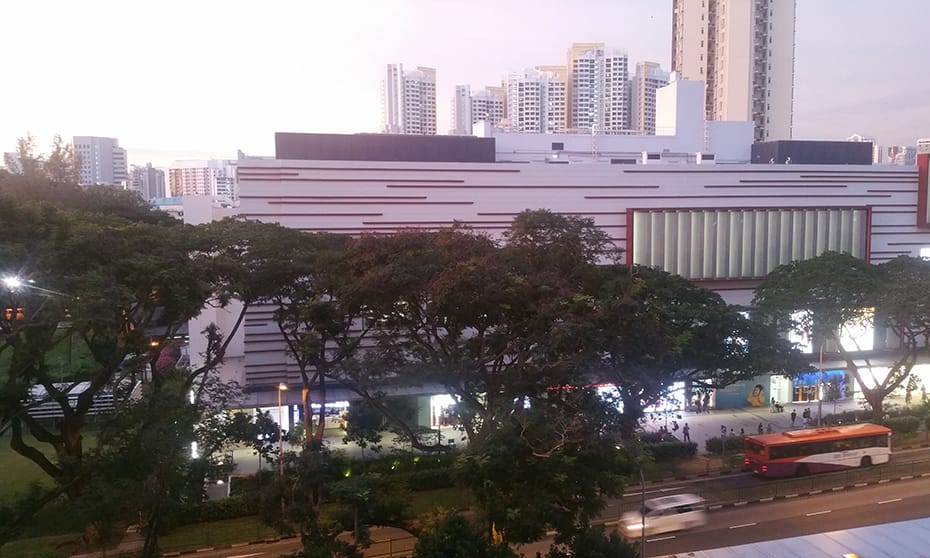
Five Emerging Neighborhoods Changing The Way Travelers Experience Singapore
Five Emerging Neighborhoods Changing The Way Travelers Experience Singapore
Singapore has long been associated with gleaming shopping malls, spotless metro stations, and the predictable efficiency of a perfectly engineered city. Travelers often arrive expecting skyscrapers, luxury retail, and futuristic gardens. And yes, that version of Singapore exists.
But wander a little deeper into the city's districts and something else appears. Quiet streets lined with pastel apartment blocks. Coffee roasters tucked beside old bakeries. Independent boutiques replacing anonymous chain stores. Cultural enclaves where the scent of spices, incense, and fresh bread drifts through narrow lanes.
Over the last decade, several neighborhoods have quietly evolved into destinations of their own. They are not defined by mega attractions or polished theme parks. Instead, they offer atmosphere—layers of culture, architecture, food, and everyday life.
For travelers planning a more thoughtful visit, these five districts reveal a Singapore many guidebooks only briefly mention.
Quick Summary Table – Key Neighborhoods in Singapore
| Neighborhood | Main Character | What Travelers Come For | Atmosphere |
|---|---|---|---|
| Tiong Bahru | Art deco heritage district | Cafés, boutiques, local design | Relaxed and creative |
| Lavender | Jalan Besar urban corridor | Food, hardware streets, cafés | Urban and youthful |
| Chinatown Singapore | Historic Chinese quarter | Temples, street food, culture | Bustling and historic |
| Kampong Glam | Malay-Arab heritage area | Bars, shops, nightlife | Bohemian evenings |
| Little India Singapore | Indian cultural district | Spices, textiles, food | Colorful and energetic |
1. Tiong Bahru – Where Singapore’s Café Culture Took Root
Tiong Bahru is one of the most distinctive neighborhoods in Singapore, both architecturally and culturally. Its low-rise apartment buildings—constructed decades ago in streamlined Art Deco style—stand apart from the city's modern skyline.
Around 2011, something unexpected happened here. Dozens of espresso cafés began opening throughout the district. What began as a small coffee movement quickly transformed the neighborhood. Today, more than forty coffee spots, bakeries, and design-focused shops are scattered through the streets.
Walking through Tiong Bahru feels almost European in rhythm. Narrow streets. Corner cafés. Locals sitting outdoors with a slow morning coffee.
Travelers often come for three simple pleasures:
-
Coffee brewed with obsessive care
-
Small independent boutiques selling handmade souvenirs
-
Quiet streets perfect for wandering
Many shops sell items that feel personal rather than mass-produced—handmade jewelry, minimal clothing designs, notebooks, art prints, and accessories.
It’s not a tourist district built for spectacle. It’s a neighborhood where Singapore’s creative class gathers. For visitors who enjoy observing how locals actually live, it offers a rare pause in a city that usually moves at full speed.
2. Lavender and Jalan Besar – Singapore’s Unexpected Urban Playground
Lavender sits close to Jalan Besar, a street known for its rows of hardware shops and mechanical supply stores. At first glance, this might not sound like a travel destination.
Yet the contrast is exactly what gives the area its personality.
Old buildings filled with industrial tools stand beside surprisingly good cafés. Small bakeries appear between repair workshops. In the evenings, young locals gather here to eat, talk, and relax after work.
Lavender also attracts visitors for an unusual activity: indoor table tennis clubs. Several venues have dedicated ping-pong spaces equipped with professional tables, making it a social sport hub for locals and travelers alike.
But the real highlight comes at the end of the day.
As night approaches, bakery windows begin filling with desserts—dark chocolate cake, banana almond cake, and other pastries that have quietly earned a loyal following.
Lavender is not polished like the city center. It feels more spontaneous. And that makes exploring it surprisingly rewarding.
3. Chinatown Singapore – Tradition That Never Left
Every major Asian city has a Chinatown. But Singapore’s Chinatown is more than just a historical relic.
It remains one of the city’s most vibrant cultural districts.
Here, traditional Chinese architecture still frames narrow streets filled with markets, restaurants, herbal shops, and temples. The district is a sensory experience: lanterns hanging above pedestrian lanes, food stalls steaming with dumplings and noodles, and incense drifting from temple courtyards.
One of the most notable landmarks is the Buddha Tooth Relic Temple, an imposing red structure built in traditional Tang-style architecture.
Visitors come here for several reasons:
-
Chinese cuisine and street food
-
Cultural landmarks and temples
-
Traditional markets selling tea, herbs, and crafts
Even travelers who usually avoid tourist areas often find Chinatown fascinating because it remains alive as a working district, not just a preserved museum.
People still shop here. Eat here. Pray here.
And that authenticity is hard to replicate.
4. Kampong Glam – The Neighborhood That Comes Alive After Sunset
Kampong Glam once served as the center of Singapore’s Malay and Arab communities. For years it remained relatively quiet compared with other famous districts.
Recently, however, it has been transforming.
Boutiques, small bars, creative shops, and independent cafés have slowly filled its narrow streets. Yet unlike more crowded areas of Singapore, Kampong Glam still feels manageable.
Travelers can explore without the constant push of tour groups.
The neighborhood becomes particularly interesting after dark. Many restaurants, bars, and small shops stay open late into the evening, turning the area into a lively social district.
Expect:
-
Boutique stores selling fashion and design pieces
-
Street-side cafés and cocktail bars
-
A relaxed nightlife scene without overwhelming crowds
Kampong Glam offers something rare in Singapore: space to explore slowly.
5. Little India Singapore – Color, Spice, and Sound
Little India is perhaps the most immersive cultural district in Singapore.
The moment you enter, the atmosphere changes. Bright fabrics hang in storefronts. The smell of spices fills the air. Bollywood music drifts from open shop doors.
It is both a neighborhood and a cultural experience.
Travelers come here for:
-
Indian clothing shops selling vibrant traditional garments
-
Spice markets and food stalls
-
Restaurants serving authentic Indian dishes
But Little India also transforms after dark.
Several bars and lounges embrace Indian-inspired décor and music, creating nightlife venues unlike anywhere else in the city.
For visitors who want to step briefly into another world without leaving Singapore, this district offers exactly that.
Things The Media Doesn’t Tell You
Many travel articles present Singapore as perfectly polished. But exploring these neighborhoods reveals a more nuanced reality.
Here are several practical observations travelers should know.
1. These districts are best explored on foot
Unlike large tourist attractions, their appeal lies in small discoveries—cafés, bakeries, markets, street art, and unexpected shops.
2. Weekends can be crowded
Some areas like Chinatown and Tiong Bahru attract large numbers of visitors, especially on weekends.
3. Cultural neighborhoods remain living communities
Little India and Chinatown are not theme parks. They are real residential and commercial districts where people live and work daily.
4. The most interesting spots often appear by accident
Many cafés, bars, or boutiques are tucked inside side streets that guidebooks rarely mention.
Switching Roles – Thinking Like a Travel Planner
If you’re organizing a short trip to Singapore, the smartest approach is to group neighborhoods geographically.
Suggested exploration route
Day Walk 1
Tiong Bahru → Coffee shops → Boutique shopping
Day Walk 2
Lavender → Jalan Besar cafés → Evening desserts
Day Walk 3
Chinatown → Buddha Tooth Relic Temple → Night street food
Day Walk 4
Kampong Glam → Evening bars → Late-night cafés
Day Walk 5
Little India → Markets → Cultural nightlife
This approach avoids rushing between attractions and allows each district to reveal its personality slowly.
Community Observations
Travelers who explore these neighborhoods often share similar reactions.
One visitor described Tiong Bahru as:
"The rare part of Singapore where you stop looking at skyscrapers and start noticing people."
Another traveler visiting Lavender wrote:
"It feels like the city forgot to polish this part—and that’s exactly why it’s interesting."
In Little India, a traveler noted:
"Every street feels alive. You don’t just see culture here—you hear it and smell it."
These observations highlight something important: Singapore’s most memorable experiences often happen away from the famous landmarks.
Why These Districts Matter
Cities constantly reinvent themselves. But the most interesting transformations happen quietly.
Tiong Bahru evolved through coffee culture. Lavender through urban experimentation. Kampong Glam through nightlife and boutique creativity.
Together, these neighborhoods show how Singapore balances heritage with modern life.
For travelers willing to wander a little further than the shopping malls, they reveal a city with far more character than its polished reputation suggests.
And once you’ve walked these streets—coffee in hand, music drifting from a nearby bar, spices floating through the air—it becomes difficult not to start planning your return.
Kampong Glam After Dark Bars Boutiques and Quiet Streets of Singapore.
Singapore neighborhoods, Tiong Bahru cafes, Lavender Singapore guide, Chinatown Singapore travel, Kampong Glam nightlife, Little India Singapore, Singapore cultural districts, Jalan Besar cafes, Singapore walking guide, Singapore urban travel, Singapore local neighborhoods, Singapore food streets, Singapore travel planner, Singapore heritage districts, explore Singapore streets
