
Bac Lieu does not shout for attention. It hums. Softly at first, then with increasing insistence, until you realize the sound is coming from kitchens, markets, roadside stalls, family tables set low to the ground. This is a province in southern Vietnam where food is not a performance but a confession. To travel here is to eat your way into the private life of the Mekong Delta.
The road south bends through rice fields and canals, through salt flats that glitter like broken mirrors under the sun. When you arrive in Bac Lieu, you sense immediately that this is a place shaped by migration. Khmer, Chinese, and Vietnamese communities have overlapped here for generations, and their culinary habits have not competed. They have conversed. The result is a cuisine that feels intimate, generous, and faintly surprising, even to seasoned travelers.
A Bac Lieu food tour is not about fashionable restaurants or minimalist plates. It is about flavor that remembers where it came from. It is about dishes that have survived because they are loved, not because they are marketed. Five of them, in particular, tell the story of this land better than any museum ever could.
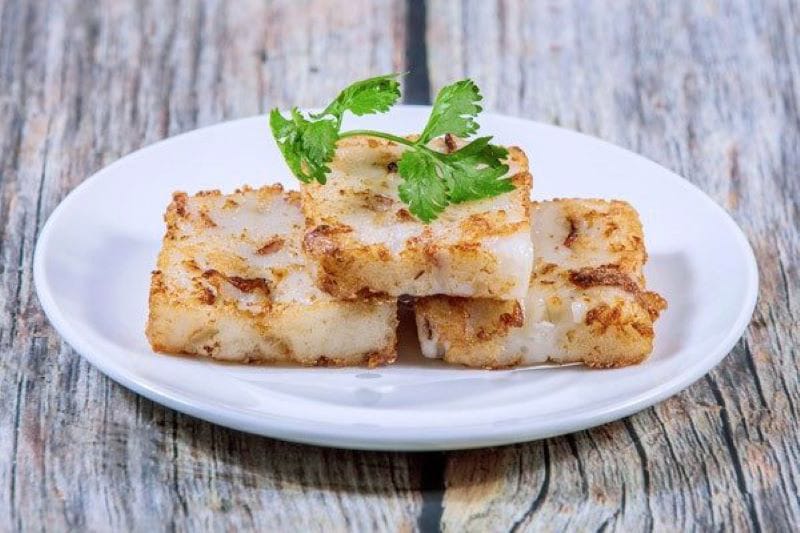
Radish cake is the first quiet revelation. Introduced by the Chinese community, it appears modest, almost shy, when you see it in the market. Thin sheets of pale dough, soft and pliant, made from wheat flour blended with finely ground white radish. Inside is where the character lives. Tiny dried shrimp or small mud shrimp, pounded just enough to release their sweetness, mixed with minced lean pork and steamed mung beans. Everything is sautéed gently, seasoned with restraint.
The cake is eaten fresh, never rushed. A dipping sauce of fish sauce, lime juice, sugar, garlic, and chili waits nearby, balanced like a practiced handshake. Fresh herbs crowd the plate, fish mint, spearmint, basil, lettuce. The first bite is fragrant, slightly pungent, unexpectedly sweet. The shrimp taste nothing like their larger cousins. They are purer, earthier, unmistakably local. This is not street food designed to impress strangers. It is food designed to satisfy neighbors.
Then there is salted three striped crab, known locally as ba khia. This dish belongs to the Khmer tradition and to the tidal zones where mangroves meet brackish water. The crabs are small, humble creatures, preserved in salt and patience. In Bac Lieu homes, ba khia is everyday food, eaten with sour soup or plain rice. For travelers, it becomes an initiation.
Before serving, the crab is broken into pieces and dressed lightly with sugar, chili, garlic, a squeeze of lime. Sometimes nothing is added at all. The flavor is briny, deep, almost shocking at first. Then it settles. You begin to understand why people crave it. It tastes like waterlogged roots and coastal wind, like labor and reward. Eat it once, and it follows you home in memory.
Preserved mustard greens and dried radish may not sound seductive, but in Bac Lieu they are quietly essential. These dishes reflect a philosophy of thrift and foresight brought by the Chinese community. Mustard greens are dried just enough to wilt, then salted with sugar, rice wine, and galangal. The process takes weeks. The result is crisp yet yielding, aromatic, faintly sweet. Dried radish follows a simpler path, washed, cut, sun dried, then mixed with sugar, five spice powder, and rice wine until it absorbs everything.
These preserved vegetables are often eaten with plain rice porridge, especially in the early morning. The combination is transformative. The porridge offers warmth and neutrality. The vegetables bring complexity, chew, and memory. This is food for listening rather than talking.
Bac Lieu spicy beef noodle soup announces itself more loudly. The aroma hits first, chili and beef, unmistakable and unapologetic. Unlike other Vietnamese beef noodle soups, this one uses only beef and chili paste. No pork bones. No polite restraint. Thick cuts of beef, brisket, tendon, flank, are sliced generously, almost defiantly. The broth is red, vivid, alive.
The ritual matters. Beef is dipped into a mixture of crushed chili salt and lime juice before each bite. Herbs are minimal, basil and a few local greens. The heat is real, persistent, honest. You sweat. You slow down. You realize this dish was never meant for tourists. It was meant for people who work hard and need something that pushes back.
Then comes the final temptation, pork skin rice noodles, known as banh tam bi. The noodles themselves require patience and muscle. Rice is ground, cooked, pressed by hand, then steamed again to form thick, elastic strands. They are arranged generously on the plate, not daintily.
The pork skin topping is a study in precision. Skin and lean meat are boiled, shredded finely, mixed with roasted rice powder and seasoning until fragrant. Coconut milk sauce is poured over everything, rich and silky, balanced carefully with fish sauce that carries sourness, sweetness, salt, and heat. Fresh vegetables complete the plate, lettuce, herbs, bean sprouts, cucumber.
The first mouthful is overwhelming in the best way. Soft noodles. Chewy pork skin. Crunchy vegetables. The perfume of coconut milk. It is a dish that refuses simplicity. You keep eating, slower now, aware that you are participating in something communal, something older than recipes.
Bac Lieu travel is often framed around its music heritage, its coastal scenery, its bird sanctuaries. All of that matters. But food is the truest guide. It tells you who settled here, who stayed, who adapted. It tells you what the land could provide and how people learned to stretch it.
Hotels in Bac Lieu have begun to understand this story. Many now incorporate local dishes into their dining programs, offering cooking demonstrations, market visits, and breakfasts that go beyond continental expectations. Staying here means waking up to flavors rather than formulas. It means staff who can tell you where the shrimp came from, whose grandmother still makes the best radish cake.
A professional Bac Lieu food tour links markets with kitchens, history with appetite. It invites you to sit on plastic stools, to eat with your hands, to listen more than you speak. It does not sanitize. It does not translate everything. And that is precisely its appeal.
You do not leave Bac Lieu craving luxury. You leave craving honesty. You remember the heat of the noodles, the salt of the crab, the softness of the rice cakes. You realize, somewhere between the last bite and the quiet ride back to your hotel, that this was not just eating.
This was arrival.
Bac Lieu travel, Bac Lieu food tour, Bac Lieu cuisine, southern Vietnam food travel, Bac Lieu local dishes, Vietnam culinary travel, Bac Lieu street food, Mekong Delta food experience, Bac Lieu traditional food, Bac Lieu travel blog, Vietnam food journey, Bac Lieu specialty dishes, Bac Lieu cultural travel, Bac Lieu eating guide, Bac Lieu destination travel
