
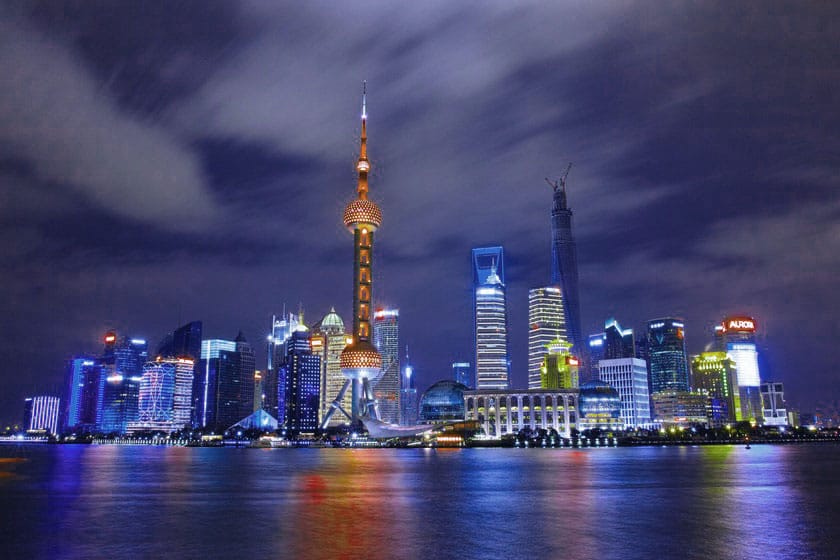
Shanghai does not introduce itself gently. It arrives like a statement, a city that has decided long ago that hesitation is for others. Skyscrapers rise with unapologetic confidence, neon cuts through the dusk, and the Huangpu River glides past like a patient witness to centuries of ambition. Often called the Paris of the East, Shanghai earns the title not through imitation but through audacity. This is a metropolis where Art Deco banks converse with glass towers, where temples persist quietly behind luxury boutiques, where yesterday and tomorrow share the same street corner without apology.
Travelers come expecting speed and spectacle. They leave carrying something denser. Memory. Shanghai is not a place you simply see. It is a place that presses itself into you. To understand it, you must walk, linger, observe, and occasionally get lost. These five destinations are not checkboxes. They are chapters. Miss one, and the story feels incomplete.
The Bund remains Shanghai’s most eloquent opening sentence. Stretching for roughly one and a half kilometers along the Huangpu River, this historic waterfront once served as the city’s financial heartbeat. Today it is a promenade of architectural bravado. Gothic spires, Baroque facades, neoclassical banks and colonial customs houses stand shoulder to shoulder, weathered but defiant. At dawn, the river breathes mist and joggers pass quietly, as if paying respect. By night, the Bund transforms. Lights ignite across the water in Pudong, where the Oriental Pearl Tower and its futuristic companions glow like declarations of intent. Standing here, you feel Shanghai’s duality in full voice. Past and future stare at each other across the river, and neither blinks. Hotels near the Bund offer more than convenience. They deliver context. A room with river views becomes a private theater where Shanghai performs endlessly.
Yuyuan Garden refuses to behave like a garden. Tranquility exists here, but it hides beneath commerce, chatter, and lantern light. Originally a Ming dynasty private garden, Yuyuan now sits embedded within a lively maze of traditional architecture, teahouses, souvenir stalls, and food vendors. Visit in the evening and the entire area glows, red lanterns reflecting off tiled roofs and stone bridges. Jewelry, handicrafts, silk, jade, and curiosities crowd every corner. Yet step through the right gate and suddenly the noise softens. Pavilions, ponds, and carefully placed rocks reassert an older rhythm. The contrast is the point. Yuyuan teaches you that Shanghai never chooses between preservation and progress. It insists on both. Nearby boutique hotels allow travelers to drift in and out of this energy, retreating when needed, returning when curiosity stirs again.
Xintiandi feels like a deliberate conversation between eras. Once a neighborhood of traditional Shikumen houses, it has been reimagined into a polished district of cafes, fashion boutiques, galleries, and restaurants. Outdoor seating spills onto stone lanes. Music hums. Laughter travels easily. What makes Xintiandi compelling is not just its design, but its mood. It feels lived in. Locals linger over coffee, couples wander without urgency, travelers blend in without effort. The name translates loosely as New Heaven and Earth, and the phrase fits. Xintiandi offers a version of Shanghai that is refined yet relaxed, cosmopolitan yet intimate. Staying nearby means evenings become spontaneous. Dinner turns into conversation. Conversation turns into wandering. The city opens itself quietly.
The Shanghai Museum does not shout for attention. Its exterior, modern and monumental, hints at grandeur, yet the real astonishment waits inside. This is where China’s artistic lineage unfolds with confidence and restraint. Bronze vessels from ancient dynasties, delicate ceramics, calligraphy that feels alive with intention, paintings that compress landscapes into philosophy. Many pieces are singular, irreplaceable. Walking through the galleries, you sense time stretching backward, then folding neatly into the present. The museum offers intellectual grounding. It reminds travelers that Shanghai’s velocity did not erase its roots. It accelerated them. Hotels around People’s Square place you at the city’s cultural core, where museums, theaters, and parks provide balance to urban intensity.
Nanjing Road is excess with purpose. Six kilometers of relentless retail, illuminated signage, department stores, global brands, local labels, food stalls, cafes, and crowds that surge like tides. Daytime brings shoppers on a mission. Night transforms the street into spectacle. Neon flickers. Screens pulse. The energy becomes contagious. Even those indifferent to shopping find themselves swept along. Pause for a coffee. Watch the movement. This is consumption as choreography. The benefit for travelers lies in accessibility. Hotels near Nanjing Road reduce logistics to irrelevance. Everything is walkable. Everything is immediate. You step outside and Shanghai greets you without delay.
Movement through Shanghai is part of the experience, not an obstacle. From Shanghai Pudong International Airport, the Maglev train slices into the city in minutes, a demonstration of efficiency that borders on theatre. The Metro extends this logic underground, connecting districts with clarity and speed. Buses trace longer narratives, revealing neighborhoods in passing. Taxis fill the gaps, affordable and plentiful. For visitors, transportation becomes freedom. You plan loosely, knowing the city will accommodate improvisation.
Choosing where to stay in Shanghai shapes how the city reveals itself. Hotels along the Bund deliver grandeur and historical perspective. Properties in Pudong emphasize scale and modernity, often paired with skyline views that feel almost cinematic. Boutique hotels near Yuyuan or Xintiandi prioritize atmosphere and proximity, allowing travelers to live within the texture of the city rather than observe it from above. Benefits extend beyond comfort. Location dictates rhythm. Wake early by the river. Dine late among lanterns. Return easily. Rest well.
Shanghai rewards attention. It asks you to notice details. The way steam rises from breakfast stalls at dawn. The contrast between a temple bell and traffic horns. The confidence with which the city reinvents itself daily. These five destinations do not exhaust Shanghai. They orient you. They make you fluent enough to explore further, deeper, and longer.
This is why Shanghai works so well as a tour destination and independent travel experience alike. Guided tours provide structure, historical insight, and efficiency. Independent wandering offers serendipity and personal discovery. Both thrive here. The city accommodates planners and improvisers, luxury seekers and cultural explorers.
Shanghai does not wait for you to be ready. It assumes you are. And once you arrive, it rarely lets you go unchanged. You may come for the skyline, the shopping, the reputation. You leave with stories, textures, and the unsettling desire to return sooner than planned.
Shanghai travel blog, Shanghai tour guide, Shanghai must see attractions, The Bund Shanghai travel, Yuyuan Garden Shanghai visit, Xintiandi Shanghai travel, Shanghai Museum tour, Nanjing Road shopping travel, Shanghai luxury hotels, Shanghai city travel experience, Shanghai cultural landmarks, Shanghai urban tourism, Shanghai travel itinerary, Shanghai transportation guide, best places to visit Shanghai
