
There are journeys that entertain, and there are journeys that recalibrate you. National parks belong firmly in the second category. They are not destinations so much as encounters, with altitude, silence, weather, and time itself. Across continents and hemispheres, these ten national parks represent nature at its most articulate. Each one insists that you pause, look harder, breathe deeper, and reconsider your place in the arrangement of things.
Westland Tai Poutini National Park, New Zealand
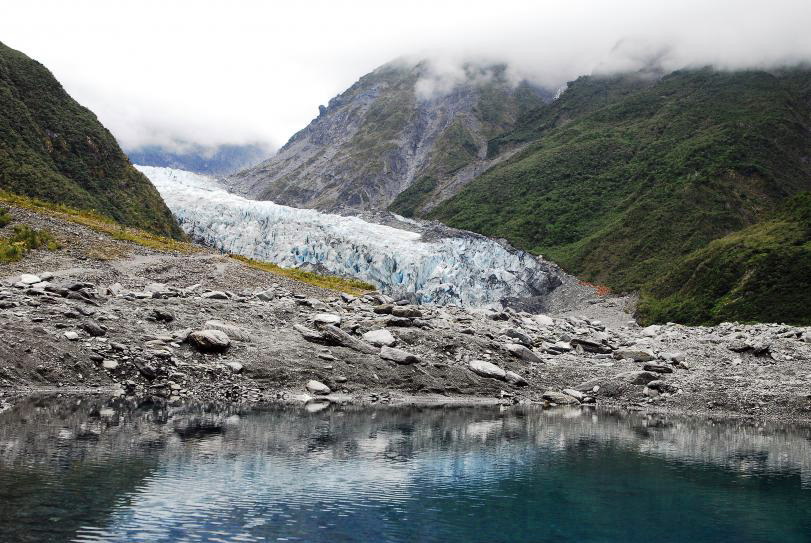
This is a place where the Southern Alps slide almost theatrically into the sea. Westland Tai Poutini stretches from ice laden summits to wind battered beaches along the South Island’s wild west coast. Glaciers descend with improbable confidence toward temperate rainforest. Rivers braid and unbraid themselves across gravel plains. Rain falls often, unapologetically, feeding one of the richest ecosystems in the country.
What sets this park apart is access without dilution. Helicopter tours lift travelers above crevasses and icefalls, offering half day aerial immersion that would otherwise take weeks on foot. On the ground, walking tracks lead through moss drenched forest where birdsong replaces thought. Lodges and wilderness hotels nearby emphasize warmth, good food, and expansive views, allowing travelers to retreat in comfort after days spent confronting raw geology.
Conguillio National Park, Chile
Conguillio feels prehistoric in the most literal sense. Snow capped peaks loom over emerald lakes. Araucaria trees, ancient and defiant, rise like botanical sculptures, survivors from an era when dinosaurs ruled the planet. This is southern Chile at its most cinematic.
At the park’s core stands Llaima Volcano, active and restless, a reminder that creation here is ongoing. Trails wind through lava fields frozen mid movement, and viewpoints reveal landscapes shaped by fire and ice. Accommodation nearby leans toward rustic lodges and mountain inns, offering fireplaces, local wines, and stories shared under heavy skies. It is impossible to leave Conguillio without sensing how thin the membrane is between stability and upheaval.
Vatnajokull and Skaftafell National Park, Iceland
Close your eyes and imagine Iceland. Now open them inside Vatnajokull and Skaftafell. This immense national park covers roughly forty percent of the country and stands as the largest in Europe. Glaciers spill outward like slow rivers of glass. Volcanoes simmer beneath ice caps. Waterfalls plunge from improbable heights.
In summer, glacial lagoons glow with a surreal palette of milky white and electric blue, light refracting through ancient ice. Hiking routes cross black sand plains and alpine ridges, offering encounters with landscapes that feel freshly minted. Hotels and guesthouses around the park emphasize panoramic windows, geothermal warmth, and minimalist design, ensuring that nature remains the primary spectacle even indoors.
Kaieteur National Park, Guyana
Kaieteur National Park occupies a vast plateau in the Guiana Highlands, one of the oldest geological formations on Earth. The land here is ancient beyond comprehension, and it feels that way. Dense rainforest stretches to the horizon, broken by sudden escarpments.
The park’s crown jewel is Kaieteur Falls, the world’s largest single drop waterfall by volume. It does not trickle. It thunders. Water plunges into a gorge with a force that vibrates the air, framed by untouched jungle. Beyond the falls lies an ecosystem so intact it feels ceremonial. Rare species thrive here, from golden frogs to elusive jungle cats. Accommodations are limited and intentionally so, focusing on eco lodges that prioritize immersion over indulgence.
Kakadu National Park, Australia
Kakadu is vast, larger than some countries, and carries a human story stretching back forty thousand years. Located in Australia’s Northern Territory, it combines wetlands, escarpments, and savannah with a cultural depth that rivals its physical scale.
Rock art galleries record millennia of Aboriginal life. Crocodile filled rivers reflect endless skies. Seasonal changes transform floodplains into mirrors and then into grassland. Guided tours led by Indigenous custodians offer insight that no map can provide. Nearby lodges and safari style hotels emphasize space, cooling breezes, and open air dining, perfectly adapted to the environment they inhabit.
Li River National Park, Guilin, China
The Li River winds through a landscape so iconic it borders on myth. Limestone karst peaks rise abruptly from fields and water, their reflections doubling the drama. Bamboo groves soften the edges. Mist drifts like a deliberate artistic choice.
For centuries, poets and painters have tried and failed to capture the serenity here. A river cruise through the park reveals scenes that seem arranged for contemplation rather than tourism. Guilin offers a wide range of hotels, from international brands to boutique riverside stays, making it easy to combine comfort with daily immersion in this almost impossibly graceful terrain.
Bwindi Impenetrable National Park, Uganda
Bwindi earns its name. Dense, ancient, and biologically exuberant, it shelters roughly half of the world’s remaining mountain gorillas. Trekking here is not casual walking. It is a physical and emotional undertaking.
The reward comes suddenly. A family of gorillas appears, close enough to hear breathing, close enough to forget everything else. Beyond gorillas, Bwindi supports extraordinary biodiversity, from primates to birds to butterflies. Lodges perched along the forest edge provide warmth, expert guides, and an ethic of conservation that feels tangible rather than abstract.
Canaima National Park, Venezuela
Canaima is monumental. Spanning millions of hectares in southeastern Venezuela, it is defined by tepuis, massive table top mountains that rise vertically from the forest floor. Waterfalls cascade from their edges, including Angel Falls, the tallest in the world.
Rivers here are tea colored, forests dense, skies immense. Indigenous Pemon communities live within the park, maintaining traditions shaped by this environment. Accommodation often comes in the form of remote camps and eco lodges, accessible by small aircraft, offering rare access to one of the planet’s most dramatic landscapes.
Wadi Ayhaft National Park, Yemen
In a country better known for deserts, Wadi Ayhaft surprises with its complexity. Deep valleys cut into arid mountains, sheltering unique plant and reptile species adapted to extreme heat.
Caves hidden within the mountains invite exploration, while dunes shift endlessly at the margins. Visiting this park feels exploratory in the purest sense. Facilities are minimal, and that is precisely the appeal. Travel here is about curiosity and the quiet satisfaction of seeing what few others do.
Sagarmatha National Park, Nepal
Sagarmatha is the land beneath Everest. Even if the world’s highest peak were absent, the park would still command reverence. Sherpa villages cling to slopes. Prayer flags flutter against a sky that seems closer than elsewhere.
Trekking routes pass through forests, across suspension bridges, and into alpine zones where oxygen thins and thought sharpens. Lodges along the trails are simple yet welcoming, offering warmth, nourishment, and stories shared by climbers and wanderers alike. Sagarmatha is not about conquest. It is about humility.
These national parks are not passive scenery. They are active participants in your journey, altering pace, perception, and memory. Once visited, they linger, quietly insisting that the world is wider, wilder, and far more compelling than routine ever suggests.
world national parks travel, best national parks tour, nature travel destinations, adventure travel national parks, wildlife national park journeys, New Zealand national park travel, Iceland glacier national park, African safari national park, South America national park tour, Himalayan national park trekking, UNESCO national park travel, eco travel national parks, wilderness travel experiences, global nature travel blog, national park vacation ideas
