
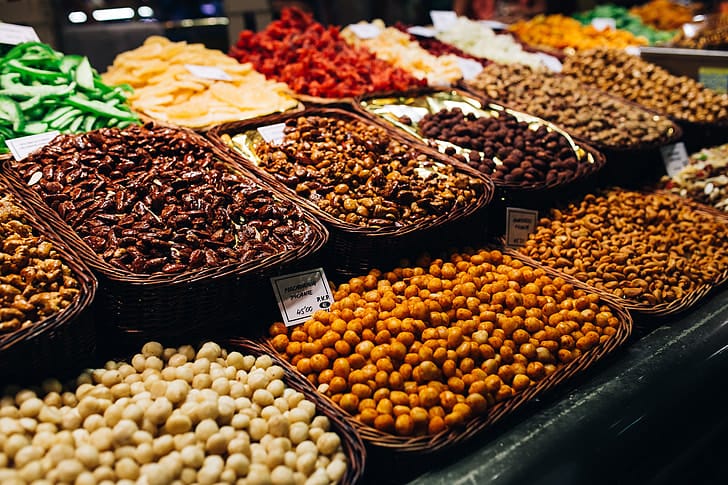
8 Food Markets Around the World You Cannot Afford to Miss
If you want to understand a place, do not start in a museum.
Start in a market.
Markets are not staged performances. They are living organisms. They are where the day begins before sunrise and where spices, fish, fruit, and rumor circulate in equal measure. If you truly want to taste a destination—not just see it—the fastest route is straight to its food market.
Here are eight markets around the world that do more than feed you. They immerse you.
1. Grand Marche, Bamako, Mali
North Africa’s Aromatic Heartbeat
If there is one place that gathers the essence of North African cuisine into a single, sensory explosion, it is Grand Marche in Bamako, the capital of Mali.
You do not stroll through this market quietly. You move through it as if through a living tapestry of color and scent. Stalls are stacked with unfamiliar spices—pungent powders in shades of rust, gold, and crimson. Vendors sell freshly fried fish that crackles as it leaves the oil. Nearby, you may find bowls of gumbo, thick and deeply seasoned, representing regional culinary traditions.
This is not curated for tourists. It is the daily pantry of the city. The ingredients are raw, vivid, unapologetically fresh. You inhale saffron-tinged air. You taste heat and earth in the same bite.
Grand Marche does not whisper. It announces.
2. Donghuamen Night Market, Beijing, China
For the Bold and the Curious
If your palate leans toward the audacious, Donghuamen Night Market in Beijing is your arena.
This market opens late. The energy rises after dark. And yes, it is famous for dishes that test courage: chicken hearts stir-fried with scorpion skewers, grilled until crisp.
But here is what makes Donghuamen compelling: it does not force you into culinary bravado. For every daring bite, there are familiar comforts—barbecue meats, dim sum, noodles, fragrant teas.
You can tiptoe or leap. Either way, you participate.
Donghuamen is less about shock value and more about possibility. It dares you to reconsider what “normal” means in food.
3. Boqueria Market, Barcelona, Spain
Mediterranean Freshness in Its Purest Form
In Barcelona, Boqueria Market functions as both grocery store and culinary theater.
It is where locals shop for fresh seafood and produce central to the Mediterranean diet. It is also where visitors cluster around small coffee counters and smoothie stalls, watching the choreography of chopping knives and espresso steam.
Seafood glistens on ice. Vegetables gleam with just-picked vibrancy. Dietary-conscious options are abundant, reflecting regional eating habits.
Boqueria does not overwhelm with extravagance. It seduces with freshness.
Stand at one of the juice bars. Order a coffee. Observe the flow of daily life. This is Barcelona distilled into edible form.
4. Spice Bazaar, Istanbul, Turkey
88 Sections of East-Meets-West Commerce
Spice Bazaar in Istanbul contains 88 distinct sections and stands as a vital trading hub between East and West.
The architecture frames a corridor of aromas—salted lemon, saffron, dried herbs, and spices you may not recognize but will instantly crave. Alongside them sit traditional Turkish sweets and pastries, arranged like jeweled mosaics.
Bargaining is expected here. It is not aggression; it is ritual. The exchange becomes part of the performance. Laughter punctuates negotiation. The atmosphere hums.
Spice Bazaar is more than shopping. It is participation in centuries of trade.
5. Oaxaca Market, Oaxaca, Mexico
Maya Culture on a Plate
Head south from Mexico City and you will arrive in Oaxaca, where the local market reflects both deep history and tropical abundance.
This historic market specializes in fresh and dried chilies, tropical produce, and ingredients rooted in Maya culinary traditions.
If you are adventurous, try chalupine—crispy fried grasshoppers seasoned with salt, spices, and lime juice. Or opt for tamale, the beloved corn-based staple wrapped and steamed.
The flavors are bold. The textures surprising. The heritage unmistakable.
Oaxaca Market does not simplify culture for outsiders. It presents it whole.
6. San Miguel Market, Madrid, Spain
Wine, Iberian Ham, and Atlantic Oysters Under Glass
San Miguel Market in Madrid blurs the line between marketplace and gastronomic hall.
Here, shopping merges seamlessly with dining. Bars and restaurant counters coexist with vendors. The result is an environment built for indulgence.
You can sample renowned Spanish wines. Slice into Iberian ham. Taste fresh Atlantic oysters. Dozens of regional specialties spread across the interior like edible art.
San Miguel is not chaotic. It is curated yet vibrant. It feels cosmopolitan without losing authenticity.
You arrive hungry. You leave convinced that Spain has mastered the art of communal eating.
7. Damnoen Saduak Floating Market, Near Bangkok, Thailand
Tropical Fruit and River Rhythm
About one hour from central Bangkok lies Damnoen Saduak Floating Market, one of Thailand’s most visited attractions.
The market divides into areas catering to locals and tourists. In the tourist section, street performers mingle with souvenir vendors. It is lively, colorful, theatrical.
Move toward the Khun Phitak area, and you will find tropical fruit—mangosteen, rambutan—piled high in boats. Vendors grill fish nearby, the aroma drifting across the canal.
The setting changes everything. Instead of aisles, you have waterways. Instead of carts, you have boats.
Damnoen Saduak turns grocery shopping into spectacle.
8. Shilin Night Market, Taipei, Taiwan
Taipei’s Most Famous Night Feast
Taipei is known for its night markets, and Shilin stands as the most celebrated among them.
Fashion and electronics stalls draw crowds, but food defines the experience. Fried and grilled dishes dominate the landscape. Vendors line the walkways, offering local specialties at every turn.
You do not need a plan. Wander. Point. Taste.
Shilin operates at full throttle after sunset. The market glows. Steam rises. Oil crackles.
It is urban, energetic, unapologetically delicious.
Why Markets Matter
Each of these eight markets offers something specific, tangible, and rooted in place:
-
Grand Marche delivers North African spices and fried fish.
-
Donghuamen challenges your culinary comfort zone.
-
Boqueria showcases Mediterranean freshness.
-
Spice Bazaar immerses you in East-West trade.
-
Oaxaca Market honors Maya flavors.
-
San Miguel merges wine, ham, and oysters under one roof.
-
Damnoen Saduak floats fruit and fish on water.
-
Shilin transforms night into feast.
These are not interchangeable food stops. They are cultural epicenters.
If you truly love food—not just eating, but understanding—then these markets are not optional.
They are essential.
Pack light. Arrive hungry. Wander slowly.
And let the market teach you everything you need to know.
Grand Marche Bamako, Donghuamen Night Market, Boqueria Market Barcelona, Spice Bazaar Istanbul, Oaxaca Market Mexico, San Miguel Market Madrid, Damnoen Saduak Market, Shilin Night Market, global food markets, world street food, exotic food markets, floating market Thailand, Beijing night food, Mediterranean food market, Maya cuisine Oaxaca
